Why Does Concrete Crack in Central Arkansas? Causes and How to Prevent It

October 2, 2026
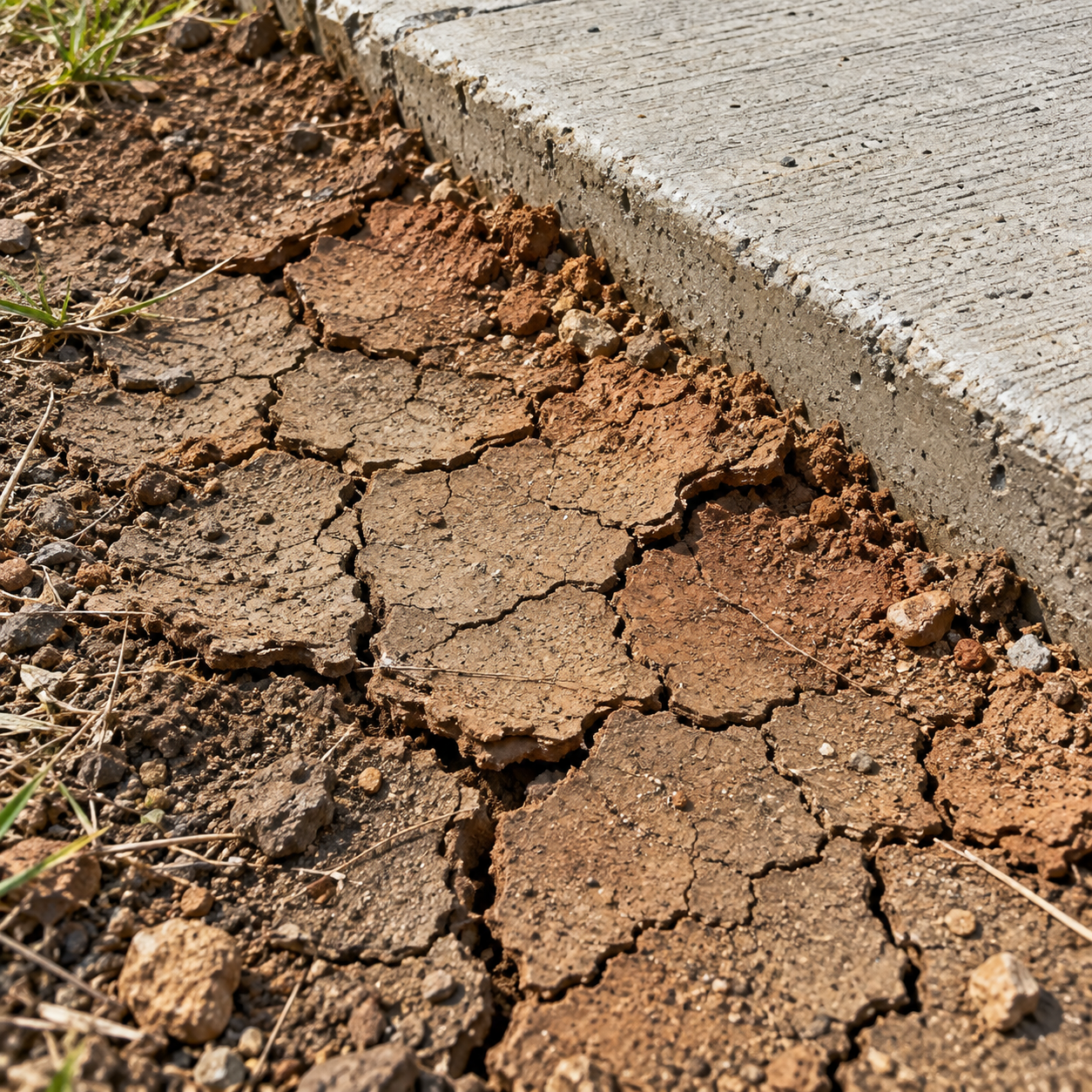
Dried, cracked expansive clay soil that stresses concrete slabs in the region

Almost every concrete surface develops a crack at some point, and a hairline mark is not always a reason to worry. What matters is knowing which cracks are harmless and which ones signal a real problem, especially in Central Arkansas, where the local soil and climate put extra stress on driveways, patios, and slabs. If you have noticed a line spreading across your concrete and wondered whether it is cosmetic or serious, this guide is for you.


Concrete cracking here is rarely random. It usually traces back to a handful of specific causes, most of them tied to how the slab was poured, how it was cured, and what sits underneath it. The good news is that the same causes point straight to the fixes. When a slab is placed and finished correctly for our conditions, it can stay sound and attractive for decades.


Below, we break down why concrete cracks in this region, which crack types actually matter, and the practical steps that prevent them. The goal is simple. Help you tell the difference between normal wear and a warning sign, and know what good workmanship looks like before you hire.
The Main Reasons Concrete Cracks Here


Most cracking in the area comes from a short list of causes. Understanding them helps you spot the difference between a cosmetic line and a structural warning.


Expansive Clay Soil


The biggest local factor is the soil itself. Much of the region sits on expansive clay that swells when wet and shrinks when dry.


  • The ground under a slab is in constant seasonal motion
  • That movement lifts and drops the concrete unevenly
  • Over time the stress shows up as cracks, especially without proper prep


This is why the same slab can perform well on one lot and crack on another nearby. The soil, not the concrete, is often the real culprit.


Shrinkage During Curing


Concrete shrinks slightly as it loses water while curing, and that is where many early cracks begin. The two types below show up on different timelines.


  • Plastic shrinkage cracks form within hours, while the surface is still fresh, driven by hot, dry, or windy weather
  • Drying shrinkage cracks appear later and tend to be wider and deeper
  • A high water content in the mix increases shrinkage and the odds of cracking


Our hot summers make plastic shrinkage a real risk, which is why timing and curing matter so much locally. A crew that pours early in the day and protects the surface as it sets can head off most of these cracks before they start.


Poor Subgrade Preparation


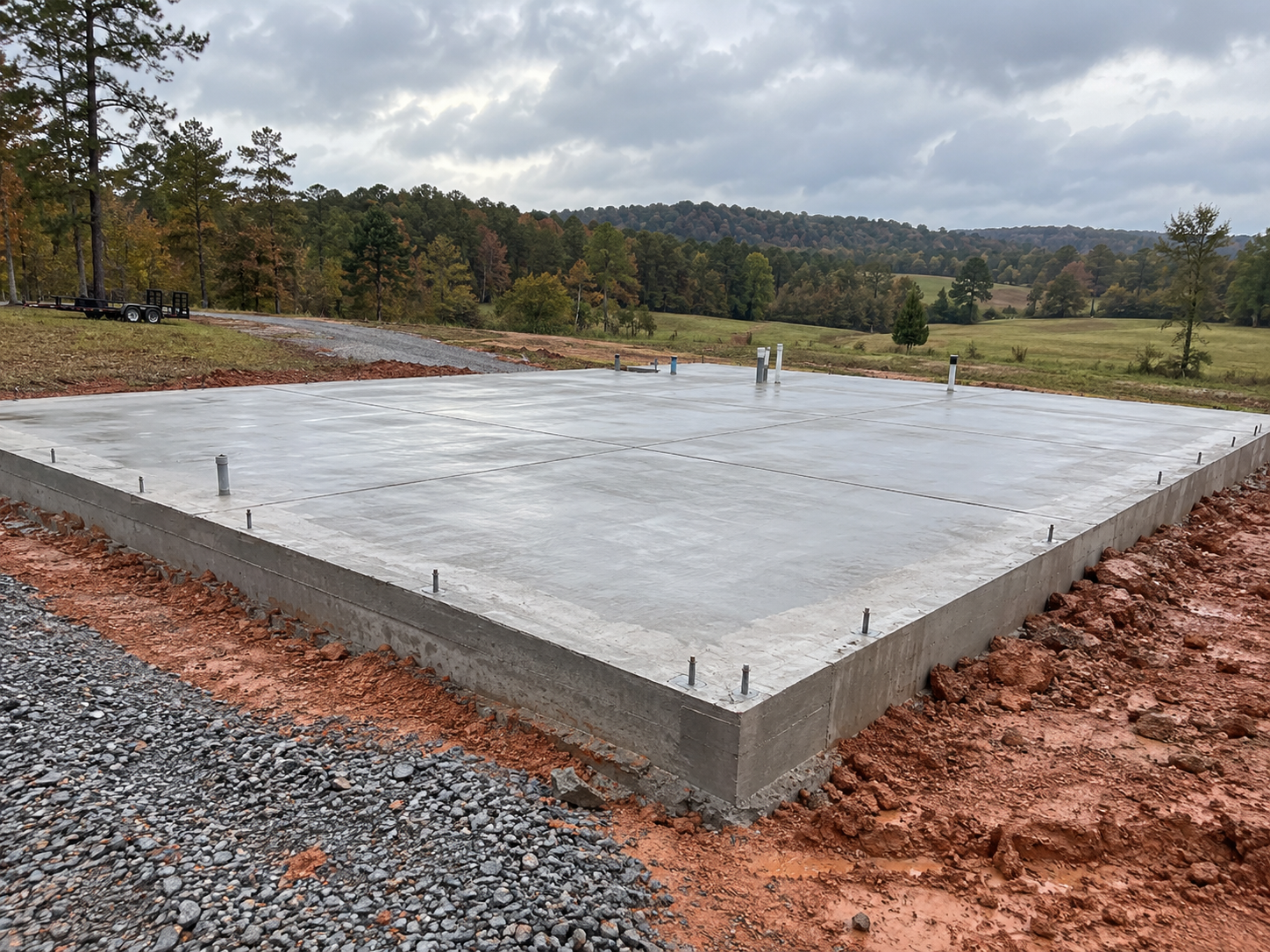
What sits under the slab matters as much as the concrete on top. A base that is uneven or poorly compacted lets the slab settle unevenly.


  • Loose or debris-filled soil creates weak spots
  • Uneven support leads to settlement cracks
  • A properly graded, compacted base spreads the load evenly


Temperature and Freeze-Thaw


Concrete expands in heat and contracts in cold. While winters here are mild, cold snaps still cause movement.


  • Water in small surface cracks can freeze and widen them
  • Rapid temperature swings stress the slab
  • Surfaces without proper joints have nowhere to relieve that stress

Which Cracks Are Serious and Which Are Not


Not every crack calls for concern. Some are purely cosmetic, while others point to movement underneath that needs attention. The table below is a quick guide.

Crack Type What It Looks Like Concern Level
Hairline surface Thin, shallow, near the surface Low, usually cosmetic
Craze or spider Fine web of shallow lines Low, surface only
Shrinkage Narrow, often at joints or corners Low to moderate
Settlement Uneven, one side lower than the other Moderate to high
Wide or structural Wider than a quarter inch, growing High, get it assessed

If a crack is widening, lifting, or letting one side sit lower than the other, treat it as a signal rather than a blemish. Early attention almost always costs less than waiting.

CRACKS GOT YOU WORRIED? LET'S LOOK.

How to Prevent Concrete Cracks in the Area


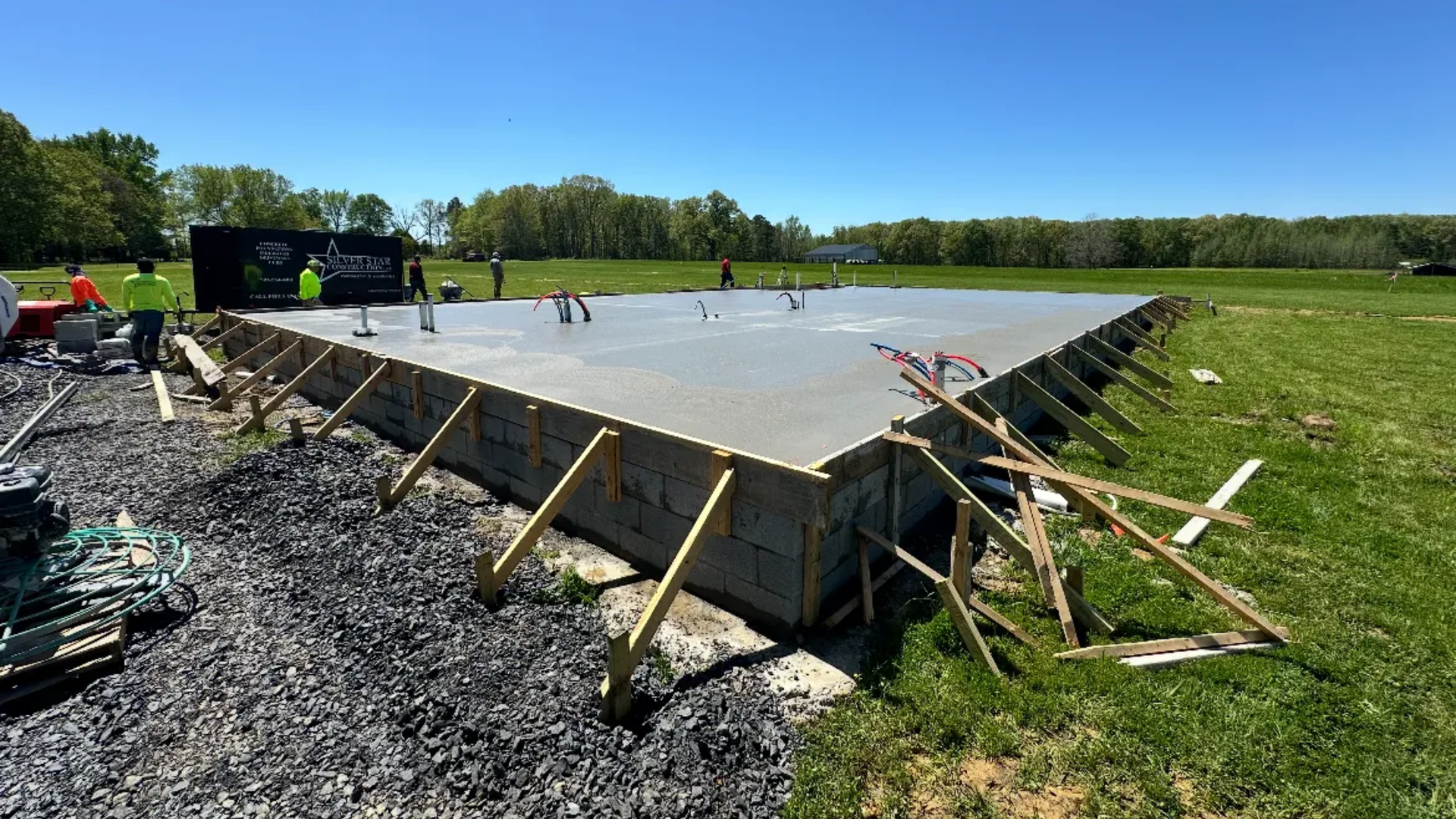
Most cracking is preventable with the right approach at pour time. These are the practices that make the difference in our soil and climate.


Build the Base Right


  • Excavate and compact the subgrade before pouring
  • Use a proper gravel or aggregate base for uniform support
  • Grade the site so water drains away from the slab


Control the Mix and the Cure


  • Keep the water content in check, since a wetter mix shrinks more
  • Cure the surface slowly so it does not dry too fast
  • Pour in the cooler parts of the day during summer heat


Use Joints and Reinforcement


  • Cut control joints at the right spacing to direct where the slab cracks
  • Add steel reinforcement or fiber to hold the concrete together
  • Plan joint placement around the slab's shape and size


Done together, these steps are what separate a slab that lasts from one that fails early. For projects that start with a poured base, our concrete slab services page explains how we prepare and reinforce slabs for local conditions. Industry curing and jointing practices follow guidance from the American Concrete Institute, the recognized authority on concrete standards.

When to Repair Versus Replace


Not every cracked slab needs to come out. The right call depends on the crack, the cause, and the age of the concrete.


  • Minor surface cracks can often be sealed to keep water out and stop them spreading
  • Cracks from settlement may need the underlying soil addressed first
  • Widespread structural cracking usually means replacement is the smarter long-term investment


A professional assessment is the reliable way to know which path fits your slab. Guessing wrong in either direction wastes money, so it pays to have the crack looked at before you decide.


Frequently Asked Questions

  • Are hairline cracks in my new concrete normal?

    Yes, in most cases. Thin surface cracks are common as concrete cures and are usually cosmetic. Watch them over time, and if one widens noticeably or a side begins to lift, have it looked at.

  • How soon can concrete crack after it is poured?

    It can happen fast. Plastic shrinkage cracks sometimes appear within hours of placement in hot or windy weather, before the surface has fully hardened. Others develop over weeks or months as the slab dries and settles.

  • Can a cracked driveway be repaired, or does it need replacing?

    It depends on the crack. Narrow, stable cracks can often be sealed, while cracks caused by soil movement or ones wider than a quarter inch may call for more involved repair or replacement. An assessment settles it.

  • Does sealing concrete help prevent cracks?

    Sealing helps by keeping water out of the surface and slowing moisture-related damage, which reduces freeze-thaw and staining issues. It is not a fix for movement in the soil below, but it is a smart, low-cost layer of protection.

Keep Your Concrete Crack-Free With Silver Star Concrete


Cracking in this region almost always traces back to the soil, the mix, the cure, or the base beneath the slab. Each of those is controllable when the work is done right, so a slab built for local conditions can stay strong and attractive for decades.


Silver Star Concrete has spent more than 20 years pouring driveways, patios, slabs, and foundations across Little Rock, Conway, Sherwood, Cabot, and North Little Rock. We prepare every project for our local clay and climate, so your concrete holds up season after season. If you are dealing with a cracked surface or planning a new pour you want done right, request a free estimate and let us help you protect the investment.

REQUEST A FREE ESTIMATE CALL US NOW
Freshly poured barndominium slab with thickened perimeter footing at a Central Arkansas build site
October 20, 2026
Planning a barndominium or shop slab in Central Arkansas? See thickness, cost, plumbing rough-in timing, and a realistic project timeline before you build.
Freshly poured monolithic slab foundation at a Little Rock area home site
September 18, 2026
Compare concrete foundation types and costs in the Little Rock area, plus how local clay soil should shape your slab, crawl space, or pier and beam choice.
New concrete front entry walkway at a Little Rock area home with a broom finish
August 27, 2026
What does a concrete walkway cost in the Little Rock area? See price ranges by finish, plus design options, permit rules, and how to budget your project.
New concrete driveway under construction at a Little Rock area home with form boards set
August 12, 2026
Do you need a permit for concrete work in the Little Rock area? Learn when driveways, patios, and slabs require one, plus costs and the local process.
Concrete crew pouring a residential slab on a clear, cool Central Arkansas winter day
July 30, 2026
Yes, you can pour concrete in winter in Central Arkansas. Learn the 40-degree threshold and the cold-weather methods that ensure a strong, flawless cure.
Freshly poured residential concrete slab curing on a mild Central Arkansas day
July 8, 2026
Discover the best time of year to pour concrete in Central Arkansas, plus seasonal timing, temperature guidelines, and local weather tips for a lasting slab.
Finished epoxy garage floor coating in Arkansas with decorative flake finish and clean residential
June 8, 2026
Compare epoxy vs polyaspartic garage floor coatings in Arkansas, including cost, durability, maintenance, cure time, and which option fits your home.
Finished epoxy garage floor coating with decorative flake finish inside residential garage in Arkans
May 18, 2026
Learn the average cost of epoxy garage floor coating in Arkansas, including pricing factors, durability, and what homeowners should expect.
Finished epoxy garage floor coating with smooth durable surface inside residential garage
May 18, 2026
Is epoxy floor coating worth it for your garage in Arkansas? Learn costs, durability, pros and cons, and what homeowners should expect.
Concrete driveway with visible cracks and surface damage showing signs
March 25, 2026
Learn when to repair or replace your concrete driveway. Understand costs, damage types, and what homeowners should consider before deciding.
More Posts