Do You Need a Permit for Concrete Work in the Little Rock Area?
Planning to install a new driveway, extend a back patio, or pour an entry path in Central Arkansas? Before you set a single form board, it pays to know whether the job needs a permit. In the Little Rock area, the answer is not a flat yes or no. It depends on what you are pouring, where it sits on your lot, and whether the work touches the street. Get it wrong and you are looking at fines, a stop-work order, or a finished slab that has to come out. Get it right and the permitting step is usually quick, cheap, and mostly handled by your contractor.
This guide walks through when a concrete project needs a permit in Little Rock, when it does not, what the process actually looks like, and the local rules that trip up homeowners most often. The specifics here apply inside Little Rock city limits. If your property sits in North Little Rock, Sherwood, Cabot, or an unincorporated pocket of Pulaski County, the idea is the same but the office you deal with changes, and we will cover that too.
The Short Answer on Concrete Permits in Little Rock
Little Rock ties its permit requirement to a dollar figure. A building permit is required for any work that exceeds 5,000 dollars in combined material and labor, or for any work that requires an inspection. That threshold is the single most useful thing to remember, because it decides most residential concrete jobs on its own.
Here is how that plays out in practice. A small backyard slab for a grill station or a short walkway often lands under the threshold and under the radar. A full concrete driveway, a large patio, or any pour that ties into the public street almost always crosses it. And the moment your project connects to the road with a curb cut or a right-of-way apron, a separate approval comes into play no matter what the slab itself costs.
If you take nothing else from this article, take this: the 5,000 dollar line and the street connection are the two triggers that matter most.
When a Concrete Project Does Need a Permit
Several common concrete jobs cross into permit territory. Not because the city wants to make life difficult, but because these projects affect drainage, property lines, or the public street, and those are exactly the things a permit is meant to protect.
New Driveways and Curb Cuts
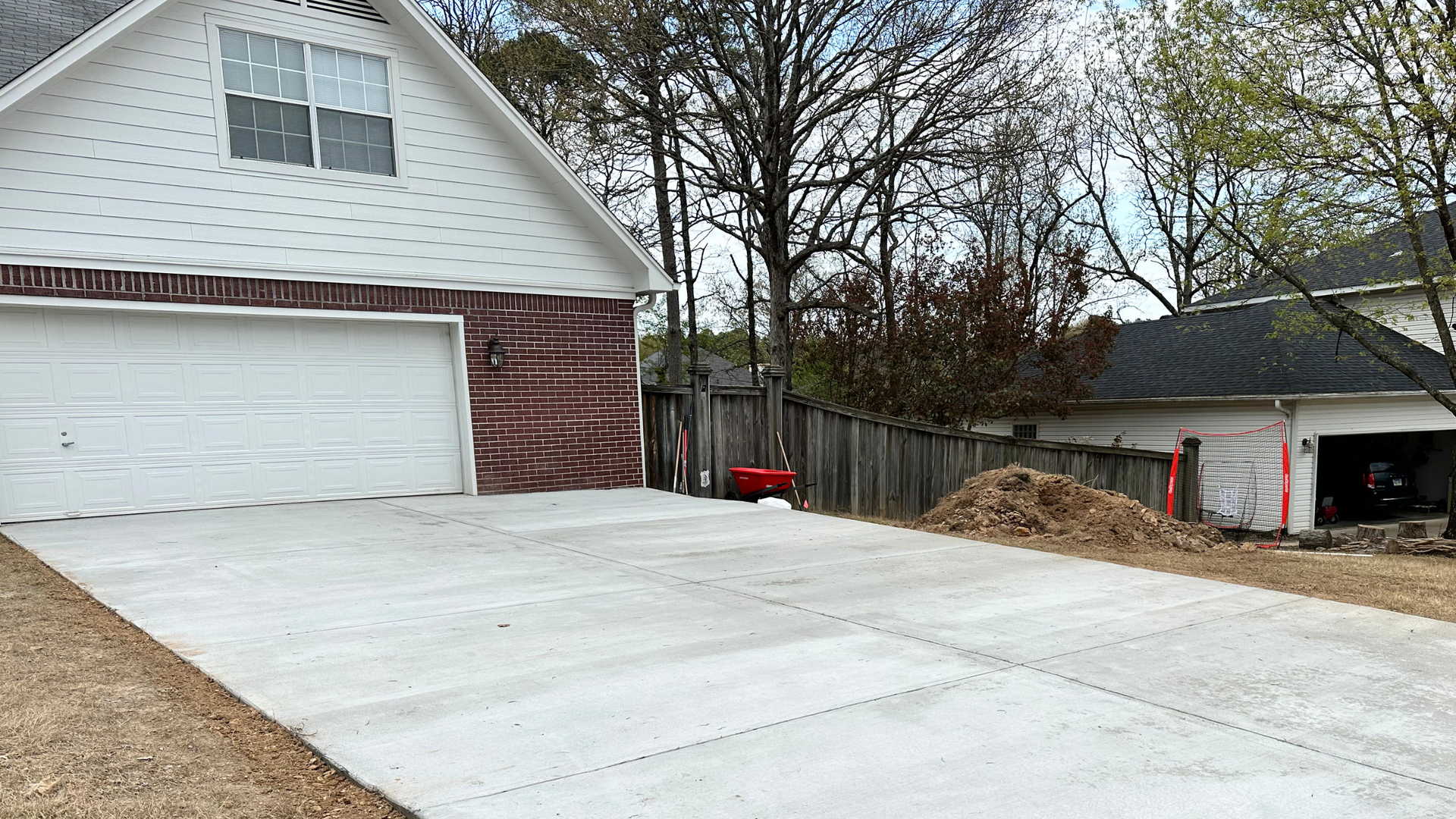
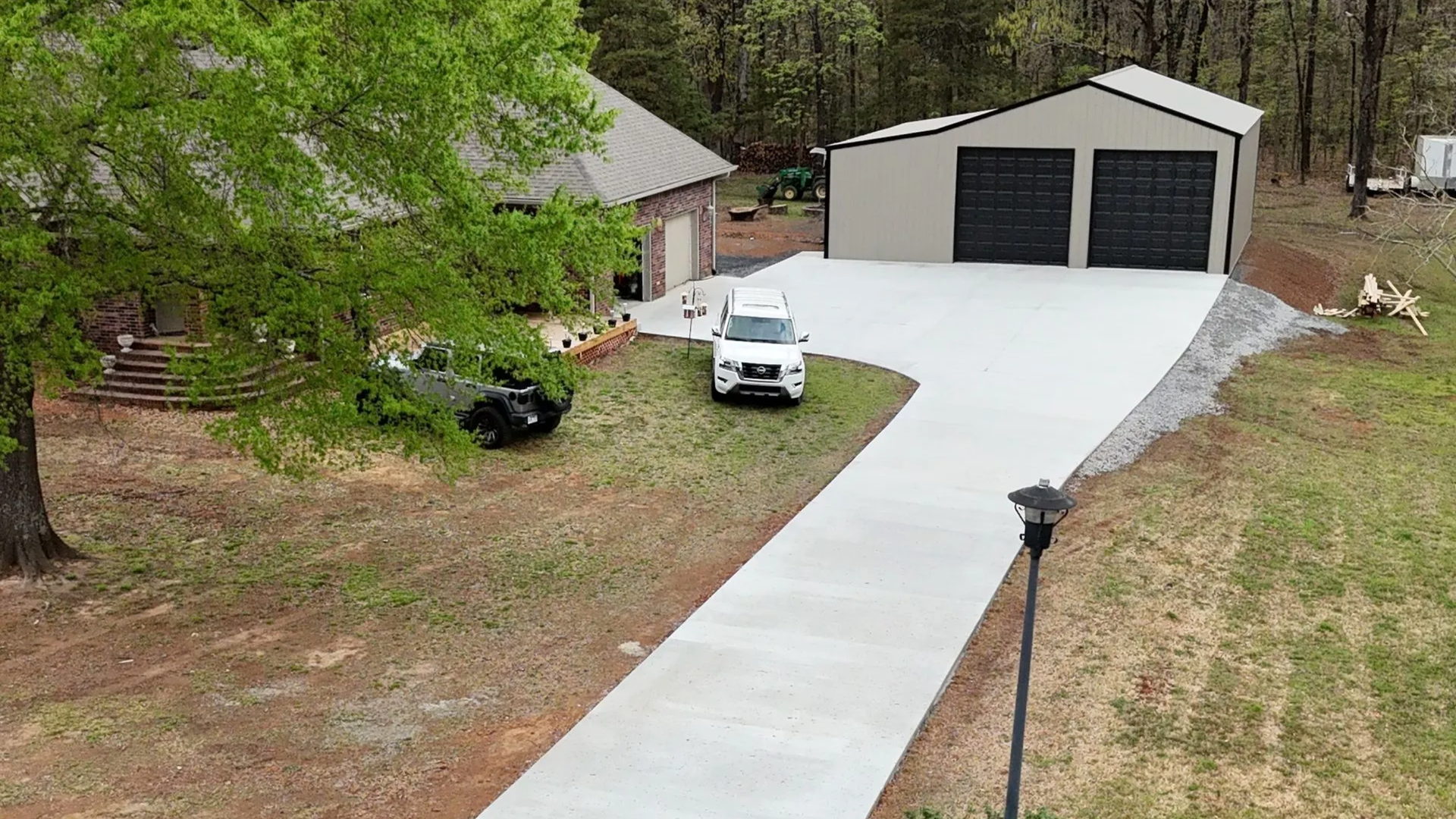
This is the big one. A new driveway, or a significant change to an existing one that affects the public right-of-way, needs approval from both the Building Permits Division and the Public Works Department. The curb cut, the apron where your driveway meets the street, and the way water sheds off the surface all fall under Public Works review. This holds true even for a modest driveway, because the trigger is the street connection, not the price tag.
Large Patios, Slabs, and Additions
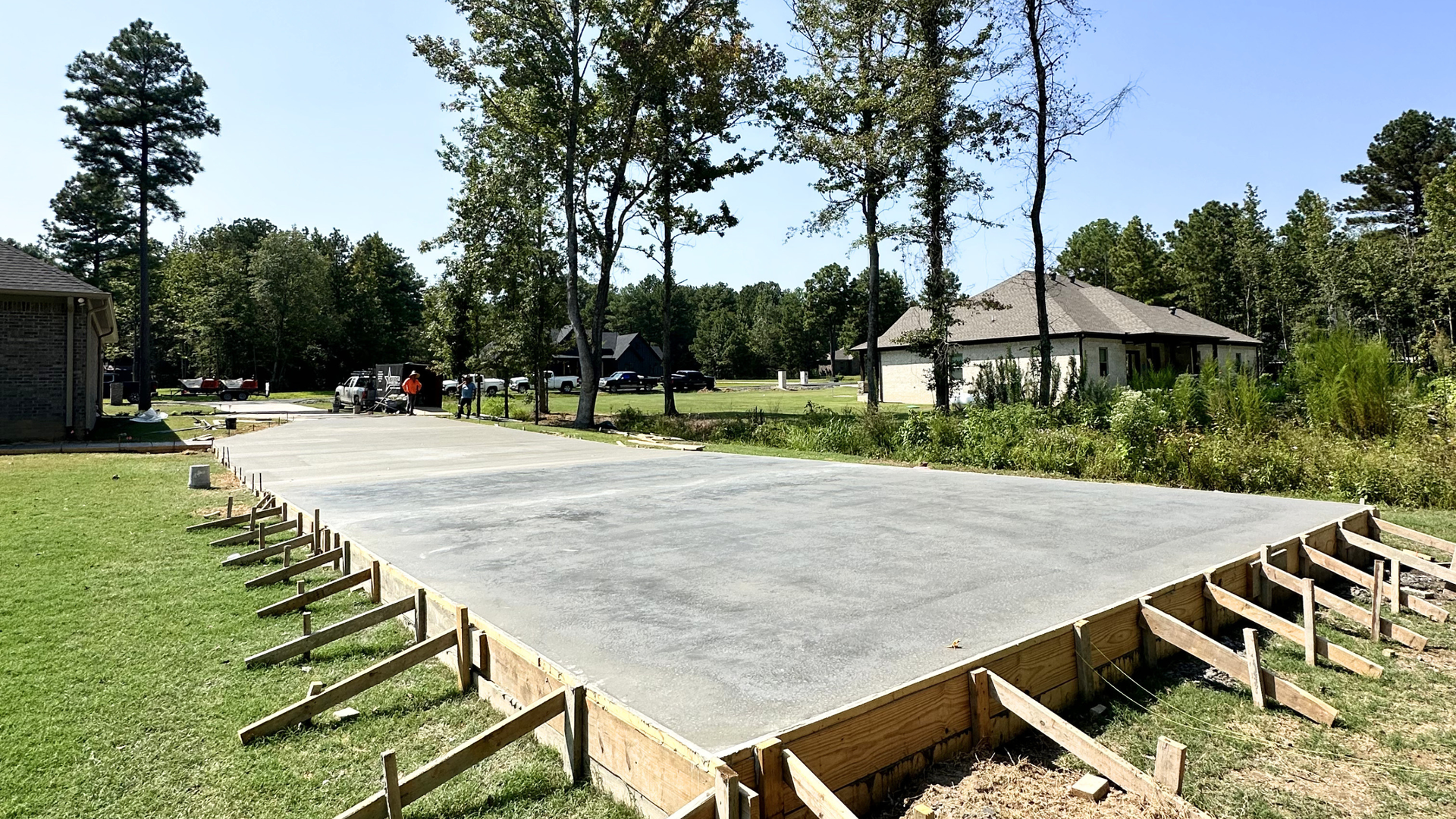
Once a patio or slab pushes past that 5,000 dollar mark in material and labor, a building permit enters the picture. Bigger pours also tend to raise questions about impervious surface, which is the share of your lot that water can no longer soak into. Add enough hard surface and you change how stormwater moves across the property, which is something the city checks before it becomes a problem for you or your neighbors.
Anything That Changes Drainage or Grade
Concrete reshapes how water travels. A slab poured at the wrong slope can push runoff toward a foundation, a neighbor's yard, or the street in a way the code does not allow. Projects that alter grade or drainage typically need review, and honestly this is one of the most common reasons a poured-in-a-hurry weekend project ends up needing to be redone.
When You Probably Do Not Need a Permit
Plenty of concrete work stays under the threshold, and it helps to know where that line sits so you are not filing paperwork you do not need.
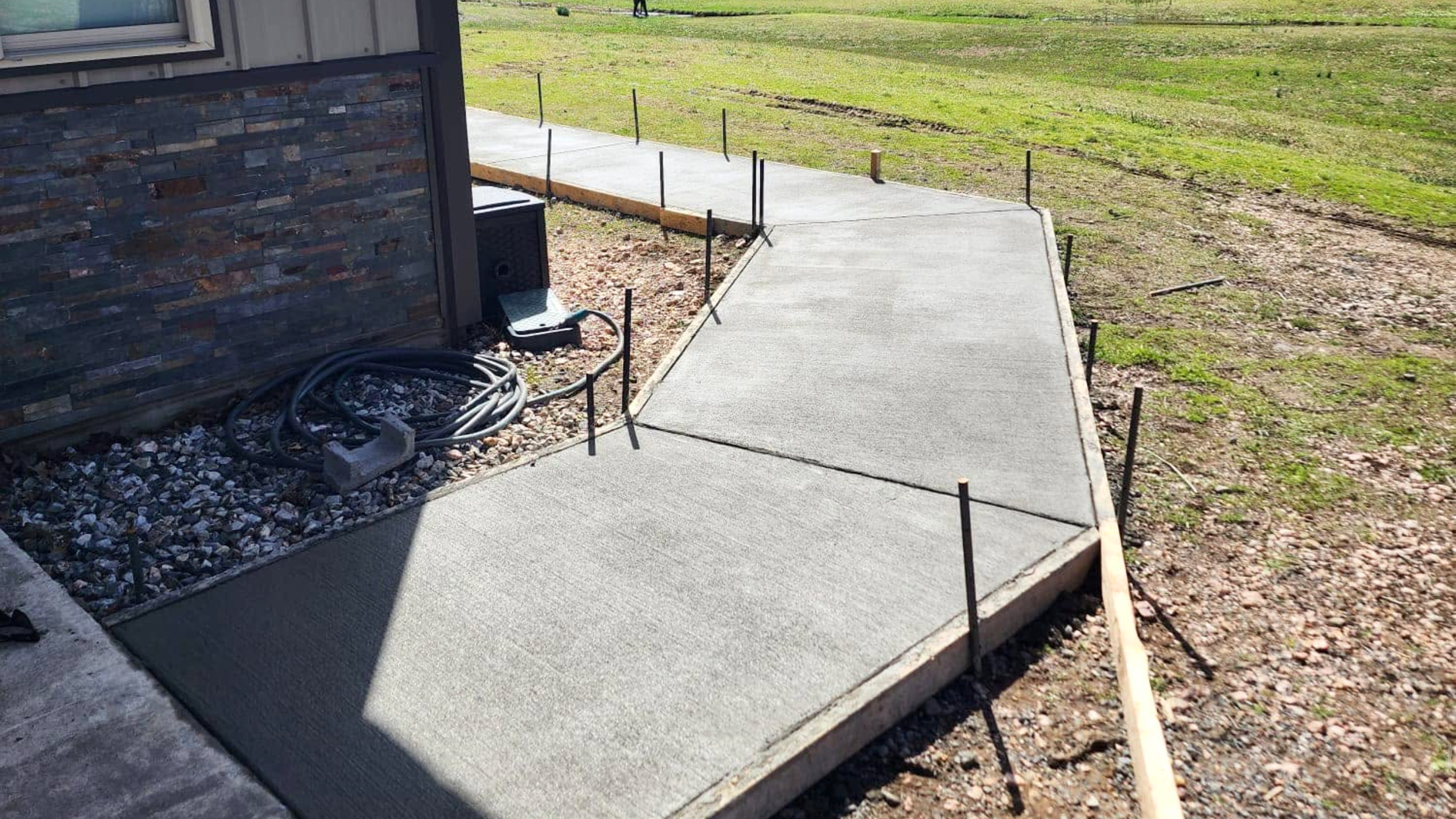
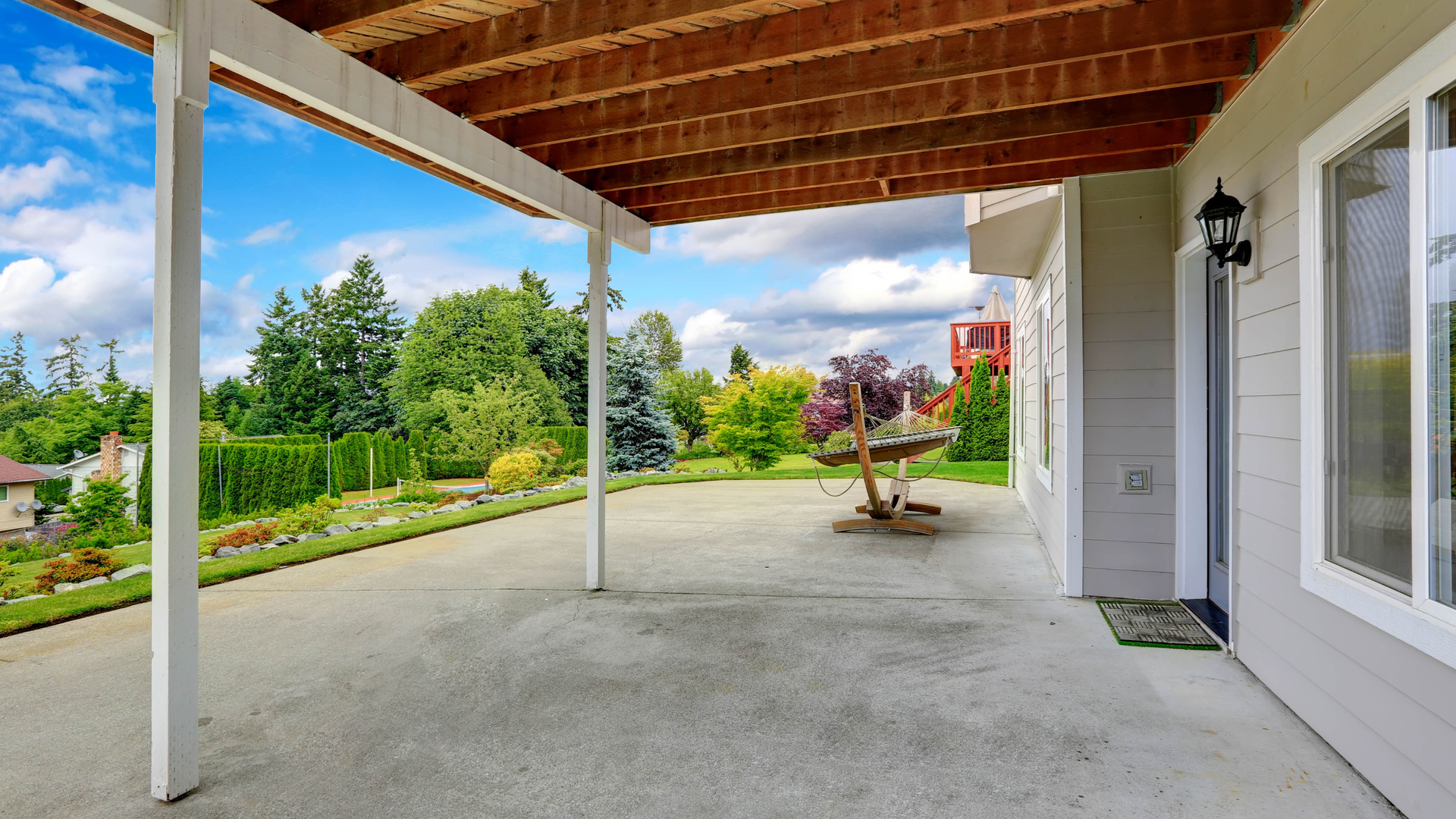
Small flatwork projects are the usual example. A compact grill pad, a short garden path, a modest step, or a repair that swaps a cracked section for fresh concrete without changing the footprint often falls below 5,000 dollars and does not touch the street. Little Rock's ordinance also spells out specific exemptions, such as one-story detached accessory structures under 200 square feet and certain minor work, though those lean more toward sheds and fences than flatwork.
One caution. Cost is not the only test. If a job needs an inspection, it needs a permit regardless of price. When you are on the fence, a quick call to the Building Permits Division at 723 West Markham settles it in five minutes, and it is a far better use of time than guessing wrong.
Navigating Building Codes With a Little Rock Area Concrete Contractor
Here is where a lot of homeowners exhale. In most cases, you are not the one standing in line at the permit office. A licensed Little Rock area concrete contractor handles the permit as part of the job, and that is not a small convenience.
A contractor who works these neighborhoods every week already knows the setback lines, the drainage specs, and the municipal codes your project has to meet. They know that a driveway apron goes through Public Works. They know the city wants a site plan for anything that affects setbacks. They know the 5,000 dollar valuation is material plus labor, not just the concrete. That familiarity is the difference between a permit that clears in a few days and one that bounces back twice for missing information.
There is a practical money angle here too. In Little Rock, work that gets started without a required permit can be billed at three times the normal permit fee. A contractor who pulls the paperwork up front keeps you clear of that penalty entirely. When you are comparing bids for concrete driveways, a backyard concrete patio, a new concrete slab, or a structural foundation, it is worth asking each contractor directly how they handle permitting. The honest ones will have a clear answer.
How the Little Rock Permit Process Actually Works
If you or your contractor do need to pull a permit, the process is more straightforward than its reputation suggests. It runs through the city's Planning and Development Department, and it breaks down into a handful of steps.
Step One, Gather the Documents
You start with a completed building permit application and, for most exterior concrete work, a site plan or survey. That site plan is the piece that matters for concrete. It shows your lot boundaries, existing structures, the proposed pour with its dimensions, and the measured distance from the work to each property line. That last detail is how the city confirms your setbacks.
Step Two, Submit and Pay
Little Rock runs applications through an online portal, so you can file, upload plans, revise, and pay without a trip downtown. Fees track the project valuation. For work in the 5,000 to 50,000 dollar range, the building permit fee starts at 50 dollars for the first 2,000 dollars of value plus a few dollars per additional thousand, with a 25 dollar data processing fee on top. For a typical residential driveway, that is a modest line item, not a budget-breaker.
Step Three, Plan Review and Inspection
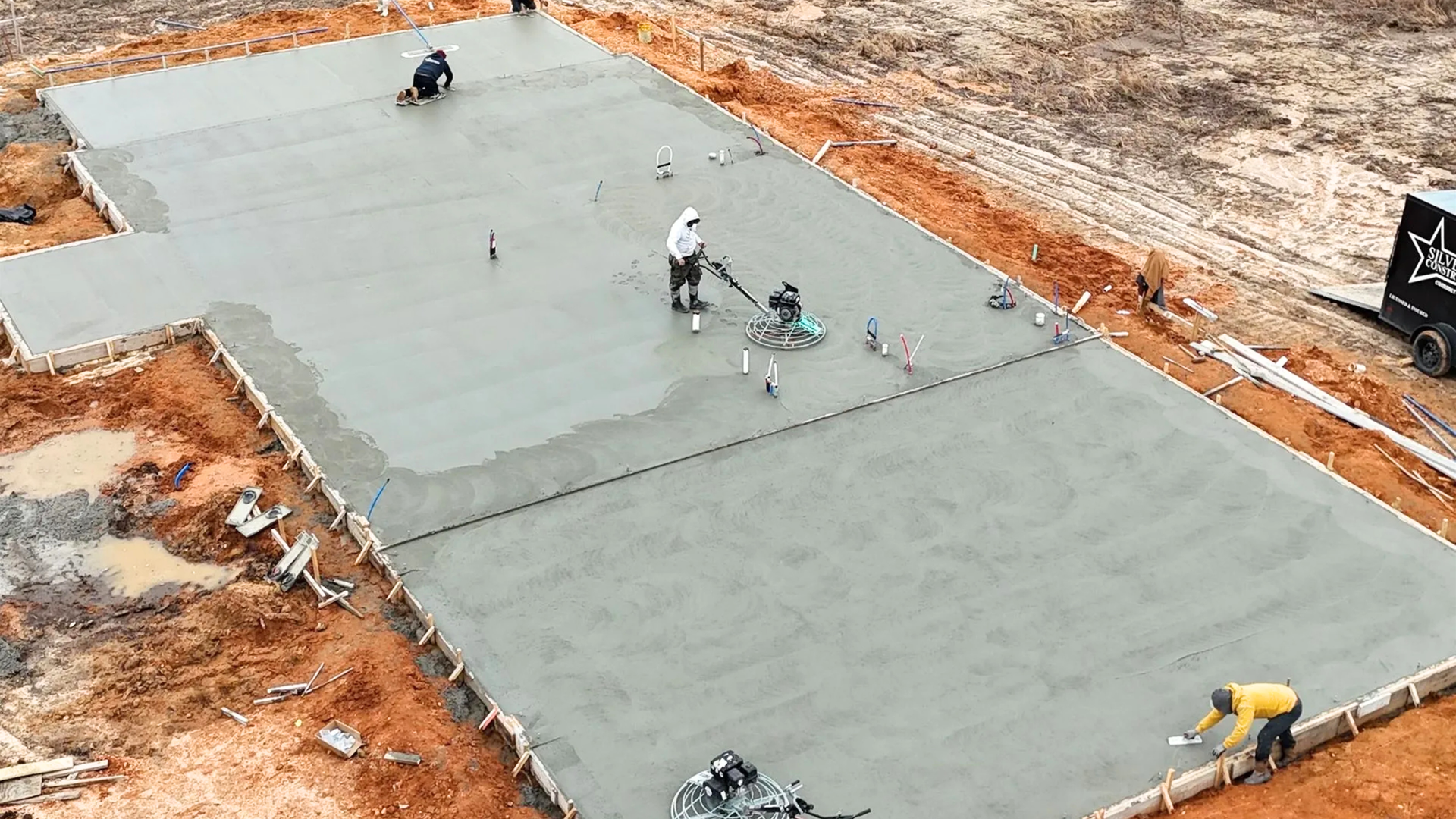
City reviewers check the submission against code and may route it to zoning or Public Works depending on scope. Plan review commonly runs about five working days, though missing information stretches that out. One detail worth knowing is that a Little Rock building permit stays valid for one year from the issue date, and the work needs to begin within six months or the permit lapses, so it makes sense to pull it when you are genuinely ready to break ground rather than months ahead. Once the permit is active, the project moves through whatever inspections its scope calls for, and concrete work often means a check before or during the pour. Passing that inspection is what keeps the finished slab on the right side of the code.
A Note on Pulaski County and Neighboring Cities
The topic that causes the most confusion is jurisdiction, so it is worth being precise. If your property is inside Little Rock city limits, the City of Little Rock governs your permit, your setbacks, and your drainage requirements. Not Pulaski County. The county handles permitting for unincorporated areas that sit outside any city, and as of a 2025 change in state law, cities no longer regulate the buffer zones that once extended past their borders.
What this means for you is simple. Figure out which jurisdiction your address actually falls in before you assume whose rules apply. A home in Little Rock answers to Little Rock. A home in North Little Rock deals with that city's building office. A property out in unincorporated Pulaski County goes through the county. The concrete is the same. The office and the paperwork are not.
For most of our clients across Little Rock, Conway, Sherwood, Cabot, and North Little Rock, this is a non-issue because we sort out the right jurisdiction before the project starts. But if you are managing a pour yourself, confirming this first saves a real headache later.
Frequently Asked Questions
Do I need a permit to pour a concrete driveway in Little Rock?
In almost all cases, yes. A new driveway or a major change to an existing one affects the public right-of-way, which requires approval from both the Building Permits Division and Public Works. The curb cut and apron where the driveway meets the street are the reason, so the requirement applies even to a smaller driveway.
How much does a concrete permit cost in Little Rock?
Fees are based on the project's total valuation. For work valued between 5,000 and 50,000 dollars, the building permit fee begins at 50 dollars for the first 2,000 dollars of value plus a few dollars for each additional thousand, with a 25 dollar data processing fee. Most residential concrete permits are an inexpensive part of the overall project.
What happens if I pour concrete without a required permit?
You risk fines, a stop-work order, and in some cases having to remove the finished work. Little Rock can also charge triple the normal permit fee for work started without one. It is far cheaper to permit the job correctly than to fix an unpermitted pour after the fact.
Does a small patio or walkway need a permit?
Often not. Small flatwork that stays under the 5,000 dollar threshold and does not connect to the street or change drainage usually does not require a permit. If the job needs an inspection, though, it needs a permit regardless of cost. A quick call to the city confirms your specific case.
Who issues concrete permits outside Little Rock?
It depends on where you are. North Little Rock, Sherwood, Cabot, and other incorporated cities each run their own building offices. Properties in unincorporated Pulaski County go through the county. The permit rules are similar in spirit, but the office you apply to changes with your address.
Let Silver Star Concrete Handle the Permit for You
Permitting sounds like the intimidating part of a concrete project, but for most homeowners it fades into the background once the right contractor is on the job. The rules come down to two things: whether the work crosses Little Rock's 5,000 dollar threshold, and whether it connects to the street. From there, a site plan, a short review, and an inspection carry the project across the finish line.
At
Silver Star Concrete, we have spent more than 20 years pouring driveways, patios, slabs, and foundations across Little Rock, Conway, Sherwood, Cabot, and North Little Rock. We know which projects need a permit, which office to file with, and how to keep your pour compliant with local setback and drainage rules from day one. If you are planning concrete work and want the permitting handled correctly,
contact our team for a free estimate and let us take that piece off your plate.