Epoxy vs Polyaspartic Garage Floor Coatings: Which Is Better for Arkansas Homes?
Garage floor coatings are one of the most searched upgrades for homeowners who want a cleaner, more durable garage. Two of the most common options are epoxy and polyaspartic coatings.
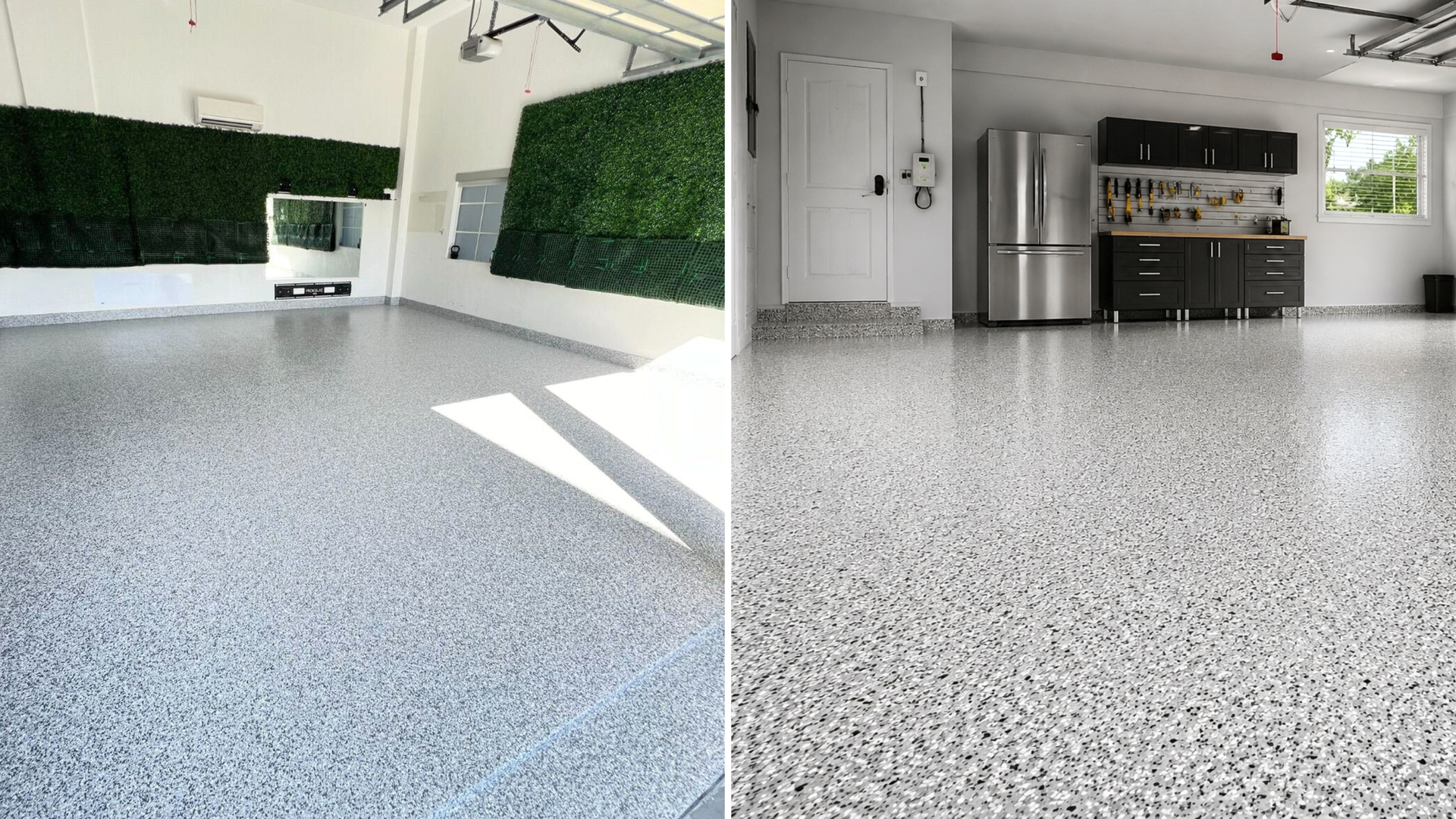
Both can improve the look of a garage floor. Both can protect concrete from stains, moisture, and daily wear. But they are not the same product, and the better choice depends on your concrete condition, budget, garage use, and long-term expectations.
For Arkansas homeowners, this decision also needs to account for humidity, temperature swings, moisture exposure, and how the garage is used throughout the year. This guide compares epoxy vs polyaspartic garage floor coatings so you can understand the differences before choosing a system for your home.
Epoxy vs Polyaspartic: Quick Comparison
| Feature | Epoxy Coating | Polyaspartic Coating |
|---|---|---|
| Typical cost | Lower to moderate | Higher |
| Cure time | Slower | Faster |
| UV resistance | Lower unless topcoated | Better |
| Surface prep required | Yes | Yes |
| DIY difficulty | Moderate to high | High |
| Best use | Garages, workshops, storage areas | Garages, high-use areas, sun-exposed spaces |
| Repair difficulty | Moderate | Moderate |
| Professional installation recommended | Yes | Yes |
Both systems can work well when installed properly. The right choice depends on what matters most for the project.
What Is an Epoxy Garage Floor Coating?
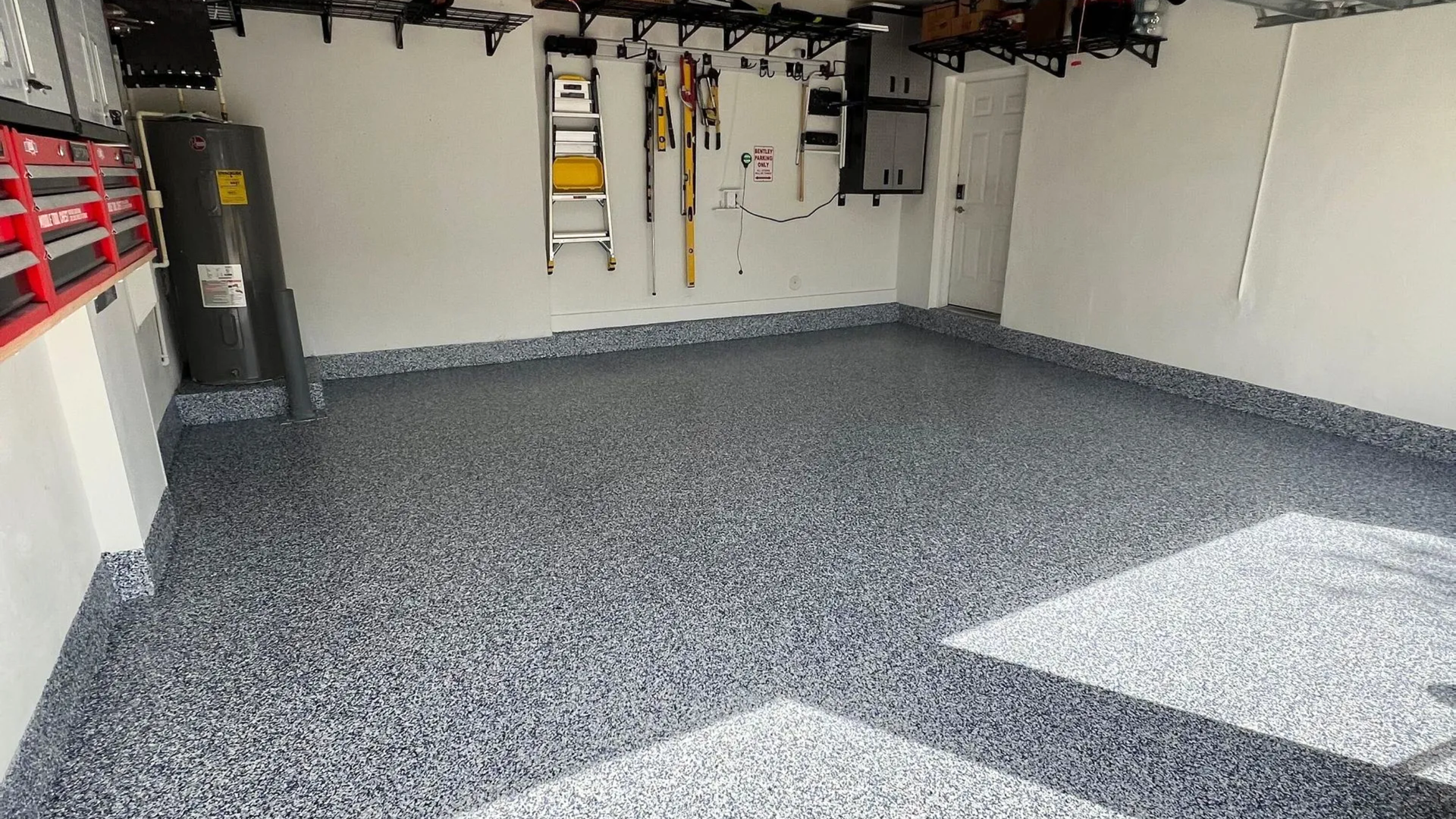
Epoxy is a resin-based coating system applied over prepared concrete. Once cured, it creates a hard protective surface that helps shield the concrete from stains, dusting, moisture, and surface wear.
Epoxy is commonly used in:
- Residential garages
- Workshops
- Storage areas
- Utility spaces
- Light commercial floors
A professional epoxy system usually includes surface preparation, crack repair when needed, a base coat, optional decorative flakes, and a protective topcoat.
Homeowners researching garage floor protection can learn more about Epoxy Floor Coating in Central Arkansas and how it applies to residential and light-use spaces.
What Is a Polyaspartic Garage Floor Coating?
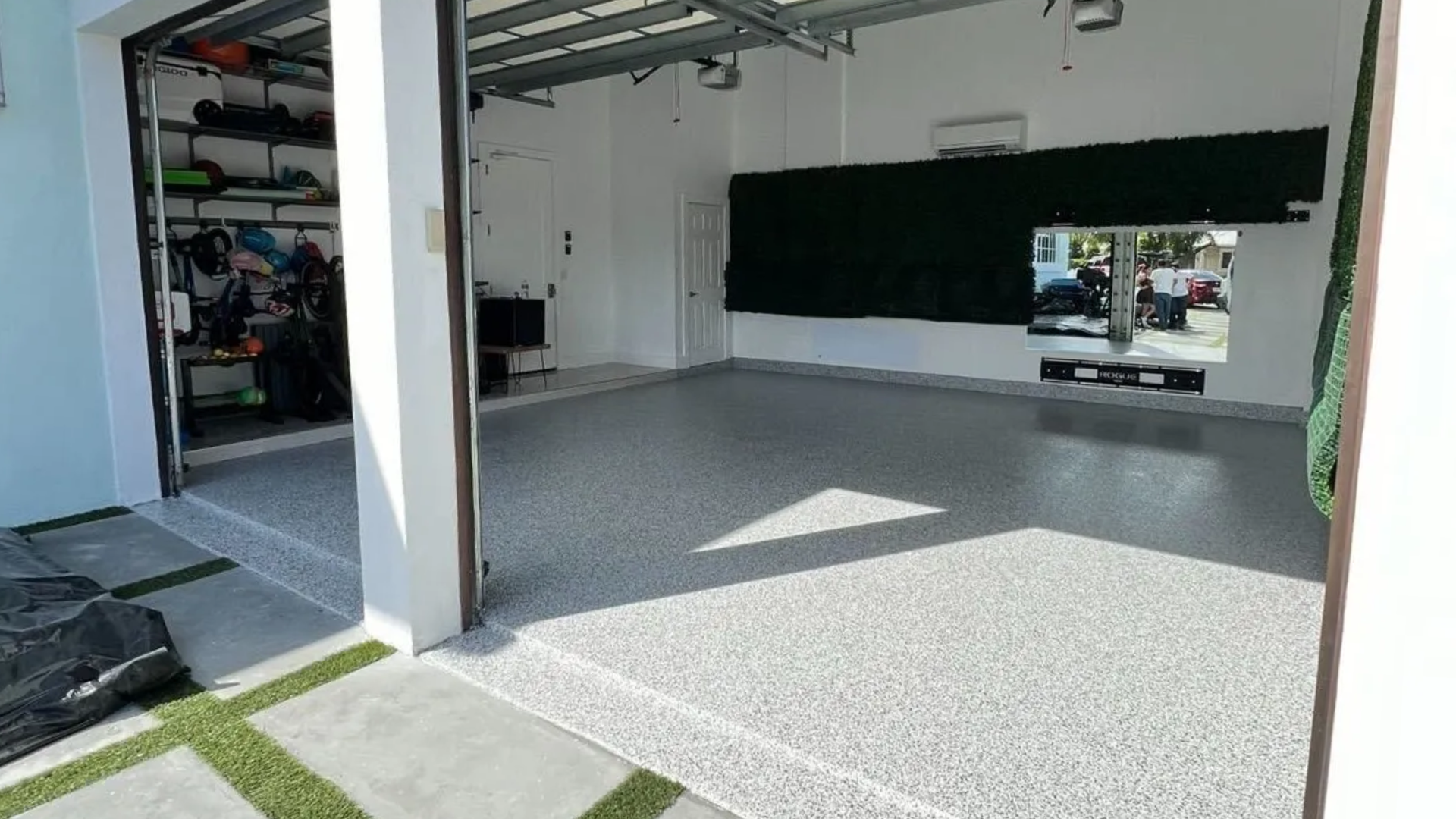
Polyaspartic is another resin-based concrete coating. It is often promoted for fast curing, strong abrasion resistance, and UV stability. Some systems use polyaspartic as the main coating, while others use it as a topcoat over an epoxy base.
Polyaspartic coatings are often used in garages where homeowners want:
- Faster return to use
- Strong surface protection
- Decorative flake finishes
- Better UV resistance in areas with sunlight exposure
The biggest difference is cure speed. Polyaspartic coatings can cure much faster than epoxy, which can be helpful, but it also requires careful installation timing.
Which Garage Floor Coating Is Better for Arkansas Homes?
For many Arkansas homeowners, epoxy is still a practical and cost-effective option for garage floors. It offers strong protection, a clean appearance, and solid performance when the concrete is prepared correctly.
Polyaspartic may be a better fit when speed, UV resistance, or higher abrasion resistance is the top priority. However, it usually comes at a higher cost and requires a contractor who understands the fast working time.
In many residential garages, a properly installed epoxy coating provides the right balance of:
- Durability
- Appearance
- Cost
- Maintenance
- Surface protection
That is why epoxy remains a common choice for garage floor coating projects.
Cost Comparison: Epoxy vs Polyaspartic Garage Floors
Cost is one of the biggest factors homeowners consider. Pricing varies based on garage size, floor condition, coating system, surface preparation, and decorative finish.
Typical Garage Floor Coating Cost Ranges
| Coating Type | Typical Cost Range |
|---|---|
| Basic epoxy coating | $6–10 per sq ft |
| Decorative epoxy flake system | $8–14 per sq ft |
| Premium epoxy system | $12–18+ per sq ft |
| Polyaspartic coating system | $10–20+ per sq ft |
These are planning ranges. Actual pricing depends on the condition of the existing concrete and the amount of preparation needed.
If your garage has cracks, oil stains, moisture concerns, or surface damage, preparation can increase the cost. Homeowners comparing budgets can review
Epoxy garage floor coating cost Arkansas for a more detailed breakdown of pricing factors.
Why Surface Preparation Matters More Than the Coating Name
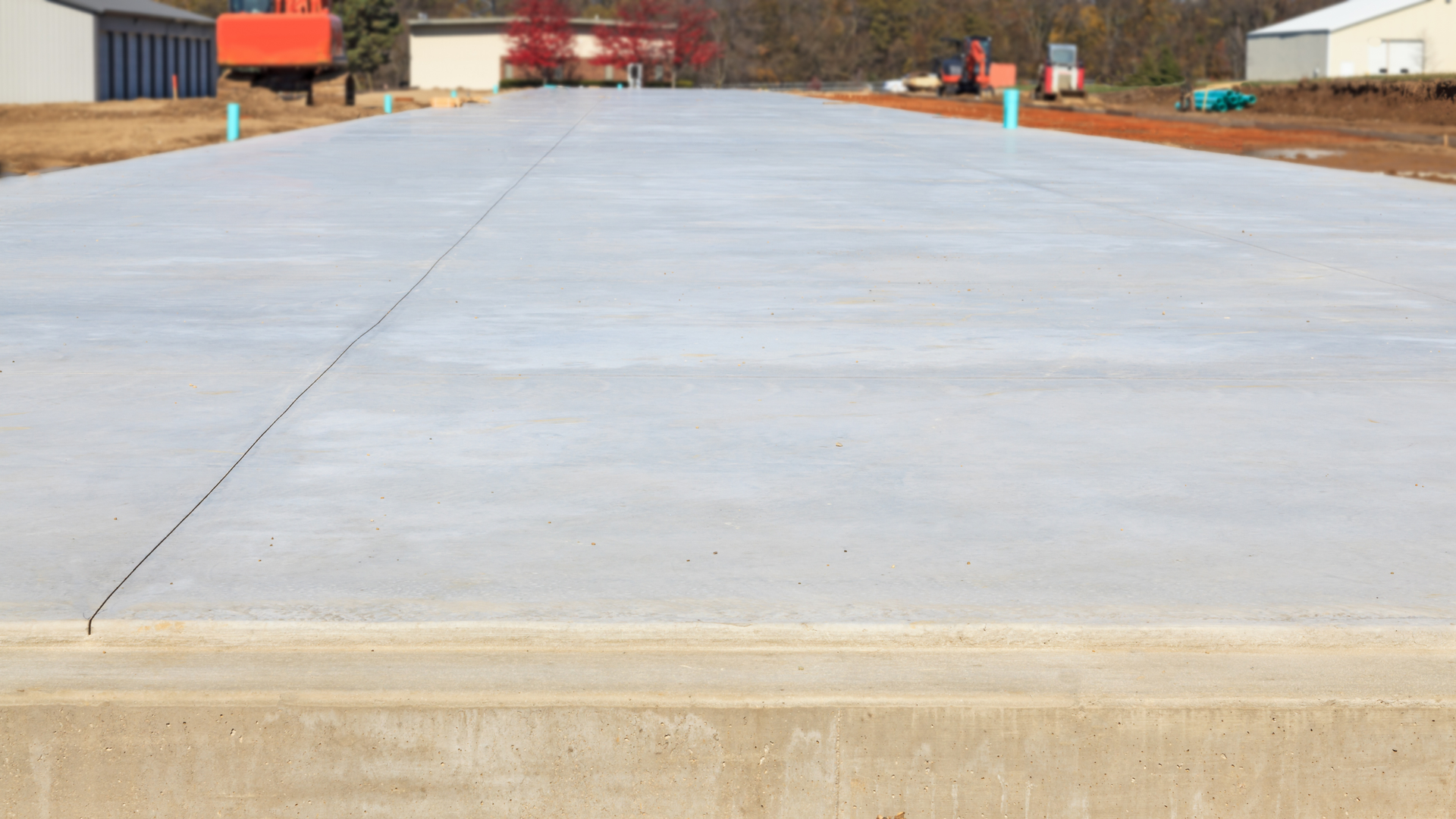
The best coating will fail if the concrete is not prepared correctly.
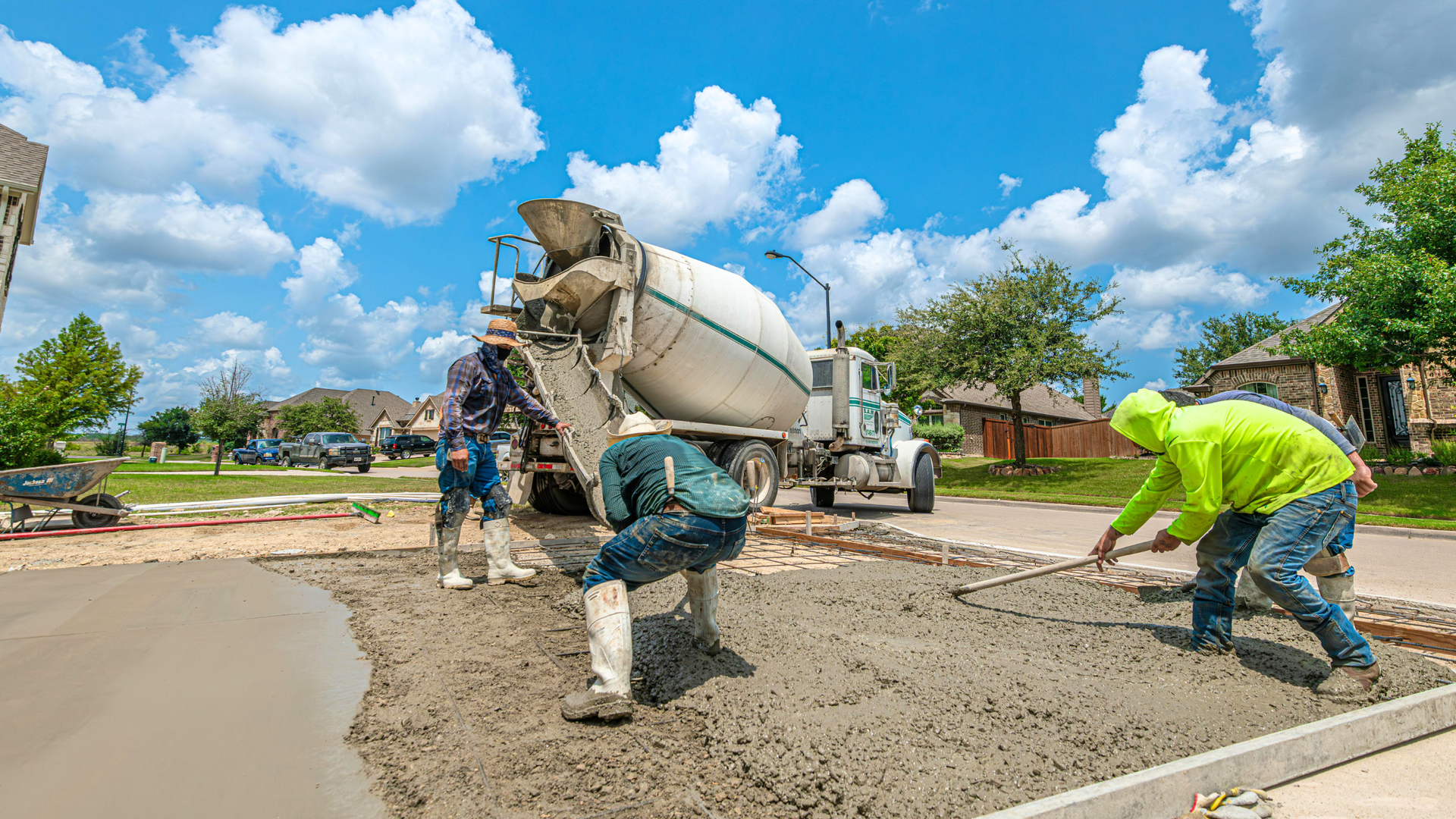
Surface preparation helps the coating bond to the concrete. This usually includes grinding, cleaning, crack repair, and checking for moisture issues. Skipping this step is one of the most common reasons garage floor coatings peel, bubble, or flake.
Professional preparation may include:
- Mechanical grinding
- Crack and joint repair
- Oil and stain treatment
- Dust removal
- Moisture evaluation
A low-cost coating installed over poorly prepared concrete will not perform like a professional system.
Durability: Which Coating Lasts Longer?
Both epoxy and polyaspartic coatings can last for many years when installed correctly.
Typical Lifespan Comparison
| Coating Type | Expected Lifespan |
|---|---|
| Basic epoxy | 5–10 years |
| Professional epoxy flake system | 10–20 years |
| Polyaspartic system | 10–20+ years |
Polyaspartic coatings are often known for abrasion resistance and UV stability. Epoxy coatings are known for strong bonding and reliable garage performance when installed over properly prepared concrete.
According to industry resource Concrete Network, polyaspartic coatings can cure quickly and may offer strong performance, while epoxy coatings remain widely used for garage floors when proper preparation and curing are followed.
Cure Time and Return to Use
Cure time matters if you need to use your garage quickly.
Epoxy Cure Time
Epoxy usually takes longer to cure. Depending on the system and conditions, homeowners may need to wait before walking on the surface or parking vehicles.
General expectations:
Light foot traffic: often after 24 hours
Vehicle traffic: often several days
Full cure: varies by system
Polyaspartic Cure Time
Polyaspartic coatings cure faster. Some systems allow quicker return to use, sometimes within a day depending on conditions and product type.
This can be helpful for homeowners who cannot keep their garage empty for long. However, faster cure time also means the installer has less time to work with the material.
Appearance and Finish Options
Both epoxy and polyaspartic coatings can create a clean, finished garage floor.
Common finish options include:
- Solid color coatings
- Decorative flake systems
- Satin or gloss finishes
- Light texture for traction
Decorative flake systems are popular because they hide dust, minor dirt, and normal garage wear better than a plain solid color floor.
For most homeowners, appearance comes down to color choice, flake blend, texture, and how the coating complements the garage space.
Moisture and Humidity Considerations in Arkansas
Arkansas weather can bring humidity, rain, and moisture exposure. Garage floors can also experience moisture vapor moving through the concrete.
Moisture matters because coatings need a dry, stable surface to bond properly. If moisture is trapped below the coating, it can lead to bubbling, peeling, or adhesion failure.
Before coating a garage floor, a contractor should check for signs of moisture issues, including:
- Dark spots on bare concrete
- Efflorescence or white powdery residue
- Musty odor
- Previous coating failure
- Damp areas near garage edges
A coating system should never be installed over a slab with unresolved moisture problems.
Slip Resistance and Safety
Coated garage floors can become slick if they are too smooth, especially when wet. This matters for garages where vehicles bring in rainwater, mud, or moisture.
Slip resistance can be improved with:
- Decorative flakes
- Texture additives
- Proper topcoat selection
- Satin or lower-gloss finishes
Homeowners should ask about traction, especially if the garage is used as a workspace, storage area, or entry point into the home.
Maintenance: Which Coating Is Easier to Care For?
Both epoxy and polyaspartic floors are easier to clean than bare concrete.
Basic maintenance usually includes:
- Sweeping or dust mopping
- Wiping spills quickly
- Occasional rinsing
- Avoiding harsh chemicals
- Using mats under heavy equipment when needed
Epoxy and polyaspartic coatings both reduce concrete dust and make oil or fluid spills easier to manage. The main maintenance difference depends more on the quality of the topcoat than the coating name alone.
DIY Kits vs Professional Garage Floor Coatings
Many homeowners compare professional coatings with DIY epoxy kits from home improvement stores.
DIY kits can look appealing because they cost less upfront. However, they often use thinner materials and depend heavily on the homeowner’s prep work. Without grinding, repair, and proper cleaning, DIY coatings may peel early.
DIY vs Professional Coating Comparison
| Option | Pros | Cons |
|---|---|---|
| DIY epoxy kit | Lower upfront cost | Shorter lifespan, prep challenges, higher risk of peeling |
| Professional epoxy system | Better prep, stronger finish, longer lifespan | Higher upfront cost |
| Professional polyaspartic system | Fast cure, strong protection | Higher cost, requires skilled installation |
For homeowners who want long-term results, professional installation is usually the better value.
When Epoxy Is the Better Choice
Epoxy may be the better choice if you want a durable, clean garage floor at a more manageable cost.
Epoxy works well when:
- The garage is used for normal residential use
- The concrete is in good condition
- Budget matters
- You want a decorative flake finish
- You do not need same-day return to use
For many homeowners, epoxy provides the right mix of performance and value.
When Polyaspartic May Be the Better Choice
Polyaspartic may be worth considering if your priorities are speed and higher UV stability.
Polyaspartic may make sense when:
- You need a faster cure time
- The floor gets more sunlight exposure
- You want a premium coating system
- You are comfortable with a higher cost
- You want strong abrasion resistance
It can be a good option, but it should still be installed over properly prepared concrete.
What to Ask Before Hiring a Garage Floor Coating Contractor
Before choosing a contractor, ask direct questions about materials, preparation, and process.
Helpful questions include:
- Will the concrete be mechanically ground?
- How are cracks repaired?
- What coating system will be used?
- Is a topcoat included?
- How long before we can use the garage?
- What maintenance is recommended?
- How will moisture concerns be handled?
Clear answers help you understand whether the contractor is offering a professional system or a basic coating application.
Choosing the Right Coating for Your Garage
The best garage floor coating depends on your priorities.
Choose epoxy if you want:
- Strong value
- Good durability
- Decorative options
- Lower cost than many premium systems
Consider polyaspartic if you want:
- Faster cure time
- Higher UV stability
- Premium performance
- Strong abrasion resistance
For many Arkansas garages,
a properly installed epoxy floor coating offers a strong balance of cost, durability, and appearance.
Working With Silver Star Concrete
Silver Star Concrete provides professional epoxy floor coating services for garages, workshops, storage spaces, and light commercial floors. Each project starts with evaluating the concrete and preparing the surface properly so the coating can bond and perform as expected.
If you are comparing garage floor coating options, Silver Star Concrete can help you understand the right approach for your floor, budget, and long-term goals.
Request an Epoxy Garage Floor Estimate
Epoxy and polyaspartic coatings both have advantages, but the right choice depends on your garage, concrete condition, and expectations.
Silver Star Concrete serves homeowners and property owners throughout Central Arkansas, including Little Rock, Conway, Sherwood, Cabot, and North Little Rock. Contact the team to discuss your garage floor and request an epoxy floor coating estimate.