Can You Pour Concrete in Winter in Central Arkansas?
If you are planning a driveway, patio, or slab and the calendar has slipped into the cooler months, you have probably wondered whether you need to wait until spring.
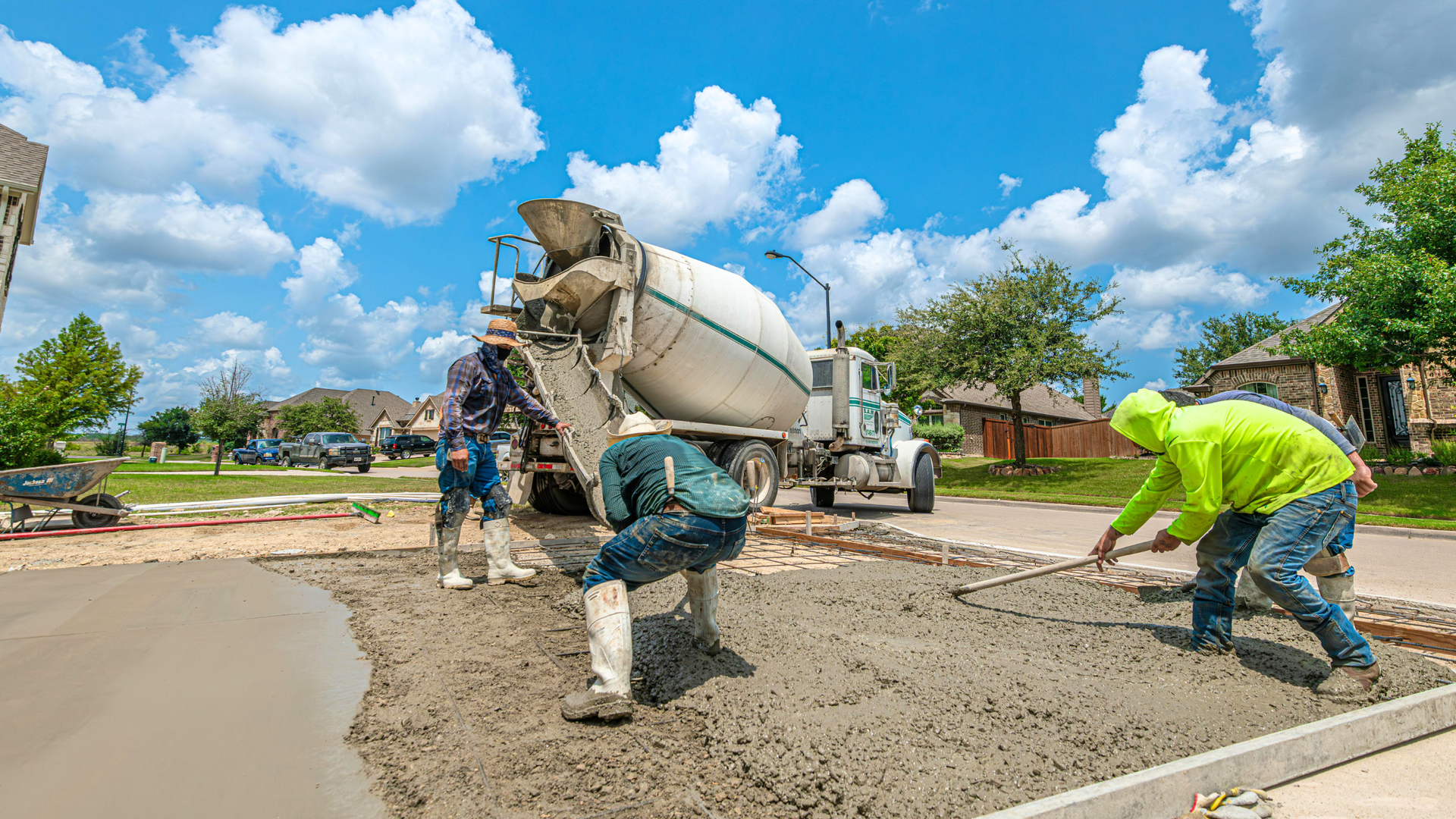
The short answer for our region is reassuring: yes, you can pour concrete in winter in Central Arkansas, and in most cases the results are every bit as strong and lasting as a warm-weather pour. Unlike the northern states, we rarely see the prolonged, deep freezes that make winter concreting genuinely difficult. What matters here is not the season on the calendar but a single number on the thermometer, and understanding that number is the key to a flawless winter pour.
This guide explains why winter pouring works so well in Central Arkansas, the temperature threshold that actually governs a successful cure, and the cold-weather methods a professional crew uses to protect your investment through a chilly stretch. Whether you are in
Little Rock,
Conway,
Sherwood,
Cabot, or
North Little Rock, you do not automatically have to put your project on hold just because it is January.
Why Winter Pouring Works in Central Arkansas
Homeowners often assume that concrete and cold weather simply do not mix. That belief comes largely from the northern climates, where the ground freezes solid for months and pouring concrete becomes a real challenge. Central Arkansas is a different story. Our humid subtropical climate gives us short, relatively mild winters, and while cold fronts can push temperatures below freezing for a day or two, we rarely experience the sustained deep freezes that cause the most trouble for fresh concrete.
That distinction matters because concrete does not need warm weather to cure. It needs to stay above a critical temperature long enough for the internal reaction to take hold. In our region, winter days frequently climb back into the 40s, 50s, and even 60s, which gives concrete plenty of opportunity to gain early strength. Combine that natural advantage with proper cold-weather practices, and a winter pour becomes not just possible but completely routine for an experienced local crew.
The 40 Degree and Rising Threshold
If there is one number to remember about winter concreting, it is 40 degrees Fahrenheit. Concrete cures through a chemical reaction called hydration, in which water and cement bind together to build the strength of the finished slab. That reaction depends on temperature. When the surrounding air holds at 40 degrees and rising, hydration proceeds at a healthy pace and the concrete develops strength on a predictable schedule. When temperatures fall below 40 and keep dropping, the reaction slows sharply, and if fresh concrete freezes before it has set, the water inside expands and can crack the slab from within.
This is why the professionals think in terms of a threshold rather than a season. A January morning that starts at 35 degrees but climbs into the low 50s by midday is a perfectly workable window, especially when the pour is timed and protected correctly. What crews watch for is a stretch where temperatures are at or moving above 40 during placement and the crucial early curing hours, with protection in place for any overnight dip. In Central Arkansas, those windows are common all winter long, which is exactly why local pouring stays viable through the coldest months.
How Central Arkansas Winters Compare to the North
To understand why winter pouring is so manageable here, it helps to see how our conditions differ from the regions where cold-weather concreting earned its difficult reputation. The table below lays out the contrast.
| Factor | Central Arkansas | Northern States |
|---|---|---|
| Typical winter lows | Brief dips below freezing, often recovering by midday | Sustained deep freezes for weeks or months |
| Ground condition | Rarely frozen deep, thaws quickly | Frozen solid for extended stretches |
| Pouring windows | Frequent 40-plus degree days all winter | Limited, short, and unpredictable |
| Protection needed | Moderate, mainly overnight and cold snaps | Extensive, heated enclosures often required |
The takeaway is straightforward. Our mild winters mean the protective measures a crew needs here are lighter and more targeted than the elaborate methods required up north, which keeps winter projects both practical and cost-effective for Central Arkansas homeowners.
Cold-Weather Methods That Ensure a Flawless Cure
A successful winter pour is less about luck and more about preparation. At Silver Star Concrete, we rely on a set of proven cold-weather practices, guided by American Concrete Institute cold-weather concreting standards, to make sure your slab cures properly no matter what a Central Arkansas cold front brings. These methods work together to keep the concrete above that critical threshold during the hours that matter most.
The first adjustment happens in the mix itself. Cold-weather mix adjustments, such as set accelerators and a slightly higher cement content, help the concrete generate and hold heat while it cures, so it reaches early strength faster. Timing is the next tool. Pouring earlier in the day gives the slab the maximum number of daylight hours to gain strength before the colder overnight temperatures arrive. Once the concrete is placed, insulated curing blankets trap the heat the reaction naturally produces, keeping the surface warm even as the air cools. On the coldest days, ground thawing and windbreaks protect the pour from frozen subgrade and chilling wind, since placing concrete on ground that has not fully thawed can rob the mix of heat from below and slow the cure before it ever gets started. In Central Arkansas this is usually a matter of clearing frost from the surface rather than thawing deeply frozen earth, which keeps the step quick and inexpensive compared with what northern crews contend with. Finally, an experienced crew simply watches the forecast closely, scheduling around the best available window rather than fighting the worst of a cold snap.
None of these steps is complicated on its own. What matters is applying them together and knowing which ones a given day calls for, and that judgment is exactly what separates a professional winter pour from a risky do-it-yourself gamble.
Common Winter Concrete Concerns, Answered
Even knowing that winter pouring works, homeowners understandably have questions about protecting their investment. Here are the concerns we hear most often and how each one is handled.
- Will a winter pour crack or fail? Not when it is handled correctly. The cracking people fear comes almost entirely from concrete freezing before it sets, which cold-weather methods are specifically designed to prevent. A protected, properly timed pour reaches full strength on schedule.
- Does winter concrete take longer to cure? It can cure more slowly than a summer pour because the reaction runs at a gentler pace in cooler air. That is not a problem in itself, and in some ways a slower, steady cure supports strong long-term results. A crew simply plans the protection and timeline around it, and in our mild climate the added time is usually measured in days rather than the weeks a northern winter can demand.
- Is winter a bad time to hire a contractor? Often it is the opposite. Winter tends to be a quieter season for concrete work, which can mean more scheduling flexibility and faster project starts compared with the busy spring and fall months.

Planning Your Winter Concrete Project in Central Arkansas
If you are considering a cold-season project, a little planning goes a long way toward a smooth result.
Start by talking with a local contractor early, since the best winter pours are scheduled around favorable weather windows rather than squeezed in on short notice. Be flexible on the exact day. Because the 40 degree and rising threshold guides the timing, a crew may recommend shifting a pour by a day or two to catch the best conditions, and that flexibility protects the quality of your slab.
It also helps to match the project to the season sensibly. A new driveway, patio, or slab is well suited to a winter pour with proper protection, and getting the work done now means your surface is ready to enjoy the moment warmer weather returns. If you are weighing your options across the whole year, our companion guide on the best time of year to pour concrete in Central Arkansas puts winter in the context of every season so you can plan with confidence.
Above all, lean on local experience. A contractor who pours through Central Arkansas winters every year knows how to read our specific weather patterns, prepare the subgrade, and apply the right level of protection for the day. That knowledge is what turns a chilly forecast into a flawless finished slab.
Why Professional Cold-Weather Experience Matters
Winter concreting rewards preparation and punishes guesswork. A homeowner attempting a cold-season pour alone might misjudge an overnight low, skip the insulation a slab needed, or place concrete on subgrade that had not fully thawed, any of which can compromise the finished product. A professional crew removes that uncertainty. We monitor the full multi-day forecast, prepare the site correctly, keep cold-weather mix adjustments and insulated blankets on hand, and know from experience exactly when to pour and when to wait.
That expertise applies across every kind of project. Whether you are investing in concrete driveways, a backyard concrete patio, a durable concrete slab, or a structural foundation, the way a winter pour is timed and protected directly determines how long that work lasts. Getting it right the first time costs far less than repairing a slab that was poured without the proper cold-weather care.
Frequently Asked Questions
Can you pour concrete in winter in Central Arkansas?
Yes. Central Arkansas winters are short and relatively mild, with frequent days that climb above 40 degrees, so concrete can be poured successfully throughout the season. The key is timing the pour around favorable conditions and applying cold-weather methods to protect it while it cures.
What temperature is too cold to pour concrete?
The critical benchmark is 40 degrees Fahrenheit. When temperatures hold at 40 and rising, concrete cures on a healthy schedule. When they fall below 40 and keep dropping, the reaction slows and fresh concrete must be protected from freezing, which cold-weather practices are designed to do.
Will concrete poured in winter be weaker?
No, not when it is handled correctly. Properly poured and protected winter concrete reaches the same full strength as a warm-weather pour. It may cure more slowly in cooler air, but a steady, protected cure supports strong long-term results.
How do contractors protect concrete from cold weather?
Professionals use a combination of cold-weather mix adjustments such as set accelerators, careful scheduling to maximize daytime curing, insulated curing blankets to retain heat, and protection against frozen subgrade and wind. These methods follow American Concrete Institute cold-weather concreting guidance.
Is winter a good time to schedule a concrete project?
It can be an excellent time. Winter is typically a quieter season for concrete crews, which often means more scheduling flexibility and a faster project start than the busier spring and fall months, all while producing a slab that is ready to use when warm weather returns.
Ready to Pour This Winter? Talk to Silver Star Concrete
Winter is not the obstacle many Central Arkansas homeowners assume it to be. Because our winters are mild and our pouring windows frequent, the real question is not whether you can pour concrete in the colder months but whether the work is timed and protected the right way. With the 40 degree and rising threshold as a guide and proven cold-weather methods in place, a winter driveway, patio, or slab turns out just as strong and lasting as one poured in the warmth of fall.
At Silver Star Concrete, we have spent more than 20 years pouring driveways, patios, slabs, and foundations across Little Rock, Conway, Sherwood, Cabot, and North Little Rock, in every season our climate serves up. We know how to read a winter forecast and protect your project so it cures flawlessly. If you are ready to move forward or just want honest advice on timing a cold-season pour, contact our team for a free estimate and let us help you get it done right.