
Concrete Slabs in Central Arkansas: Cost, Thickness, Durability, and Installation Guide
Concrete slabs are used in many residential projects. Garages, sheds, workshops, home additions, and outdoor structures often rely on concrete slabs to provide a strong and stable base.
Although a finished slab may look simple, it requires careful planning and preparation. Soil conditions, base preparation, reinforcement, drainage, and curing all affect how well a slab performs over time.
For homeowners in Central Arkansas planning a new building or improvement, understanding how concrete slabs work can help prevent costly problems later. This guide explains how slabs are installed, what affects cost, and what homeowners should know before starting a slab project.
What a Concrete Slab Does
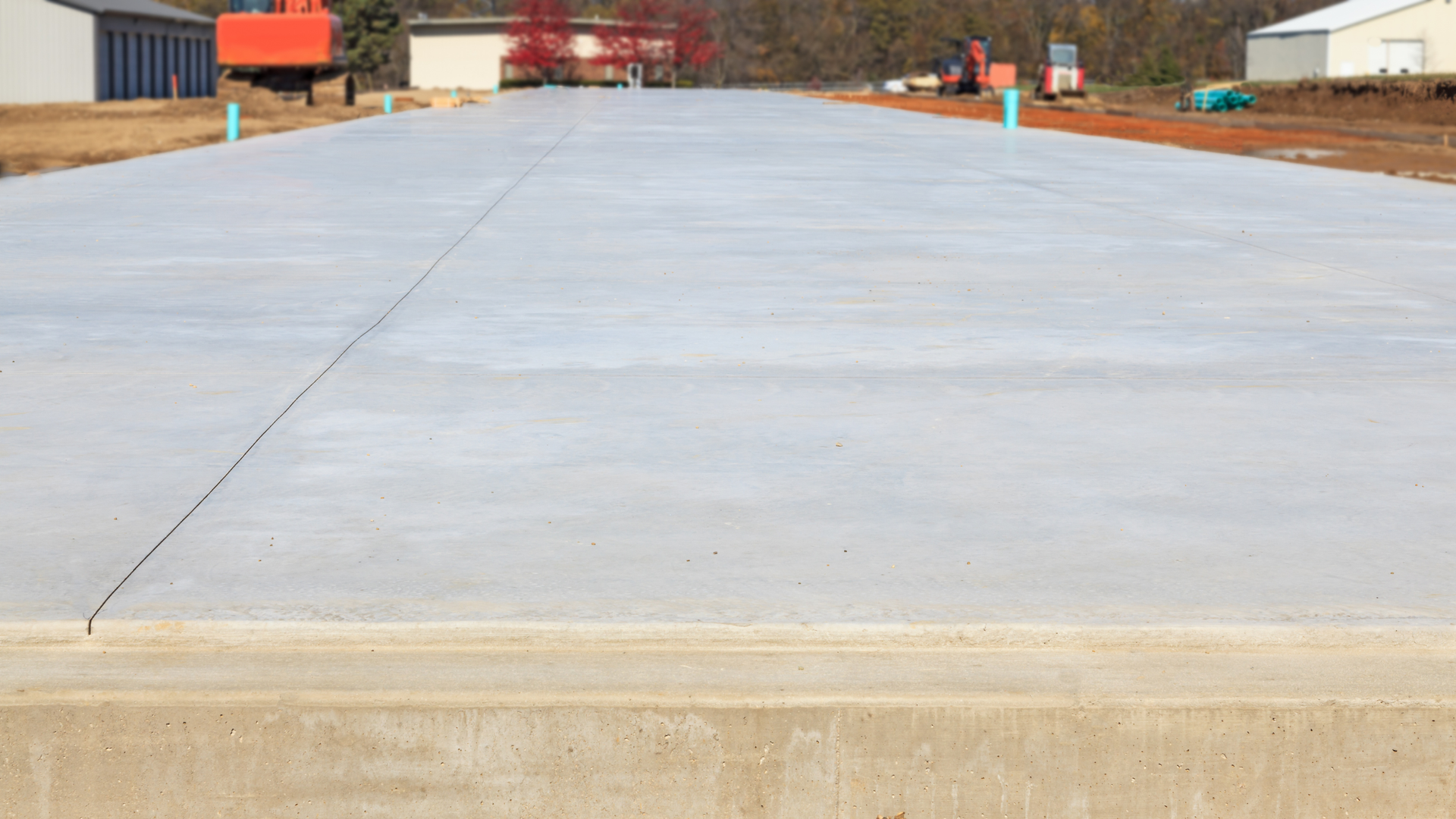
A concrete slab acts as the foundation or base for many structures. It supports weight and spreads that weight evenly into the soil underneath.
When installed properly, a slab helps:
- Support buildings and structures
- Create a stable floor surface
- Prevent uneven settling
- Provide long-term durability
Concrete is commonly used because it is strong, reliable, and performs well when installed correctly.
Homeowners planning slab projects can also review Central Arkansas Residential Concrete Services to understand how slab installation fits into larger residential concrete work.
Common Uses for Concrete Slabs
Concrete slabs are used in many types of residential projects. The purpose of the slab affects how it is designed and installed.
Garage Floors
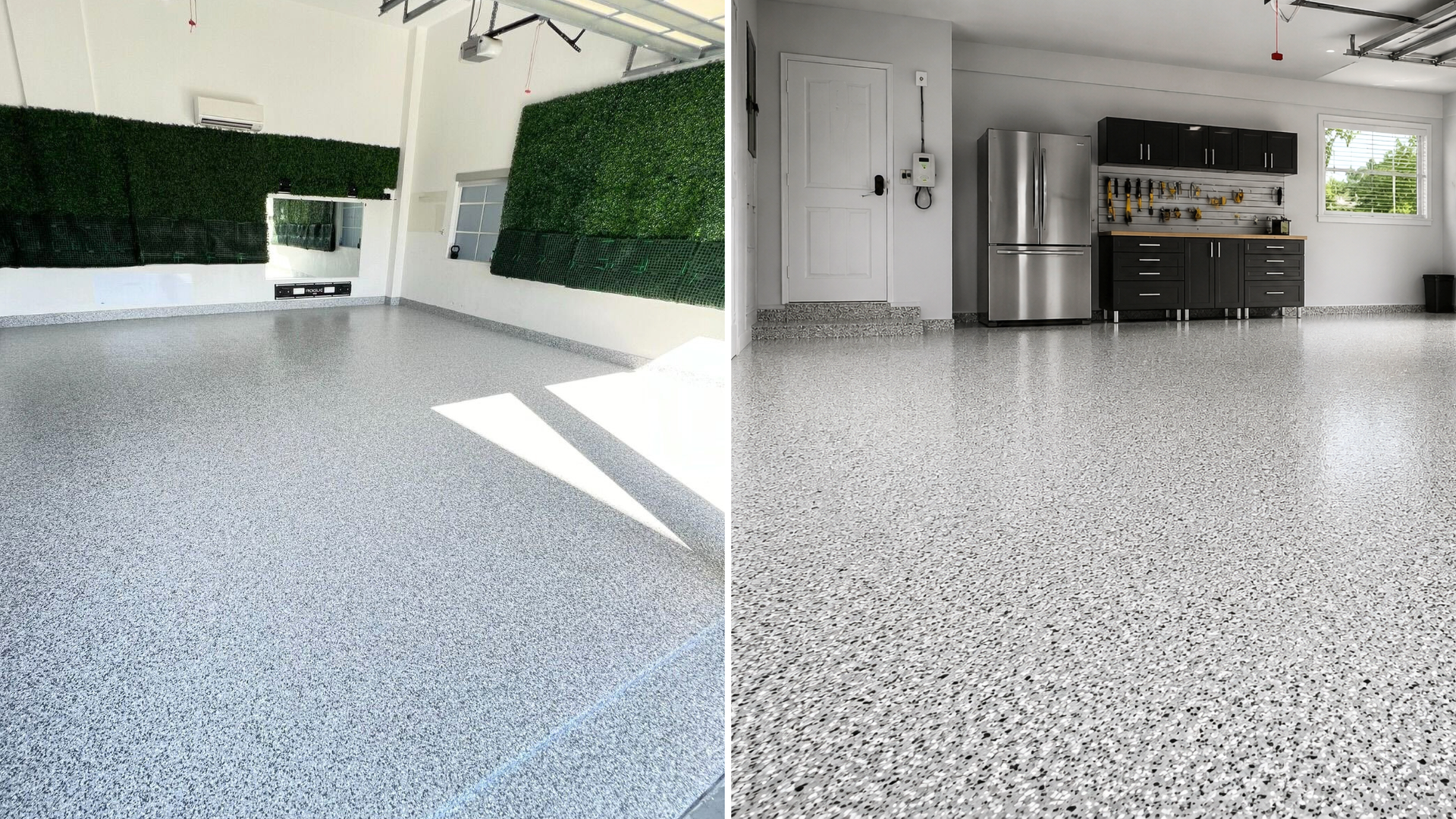
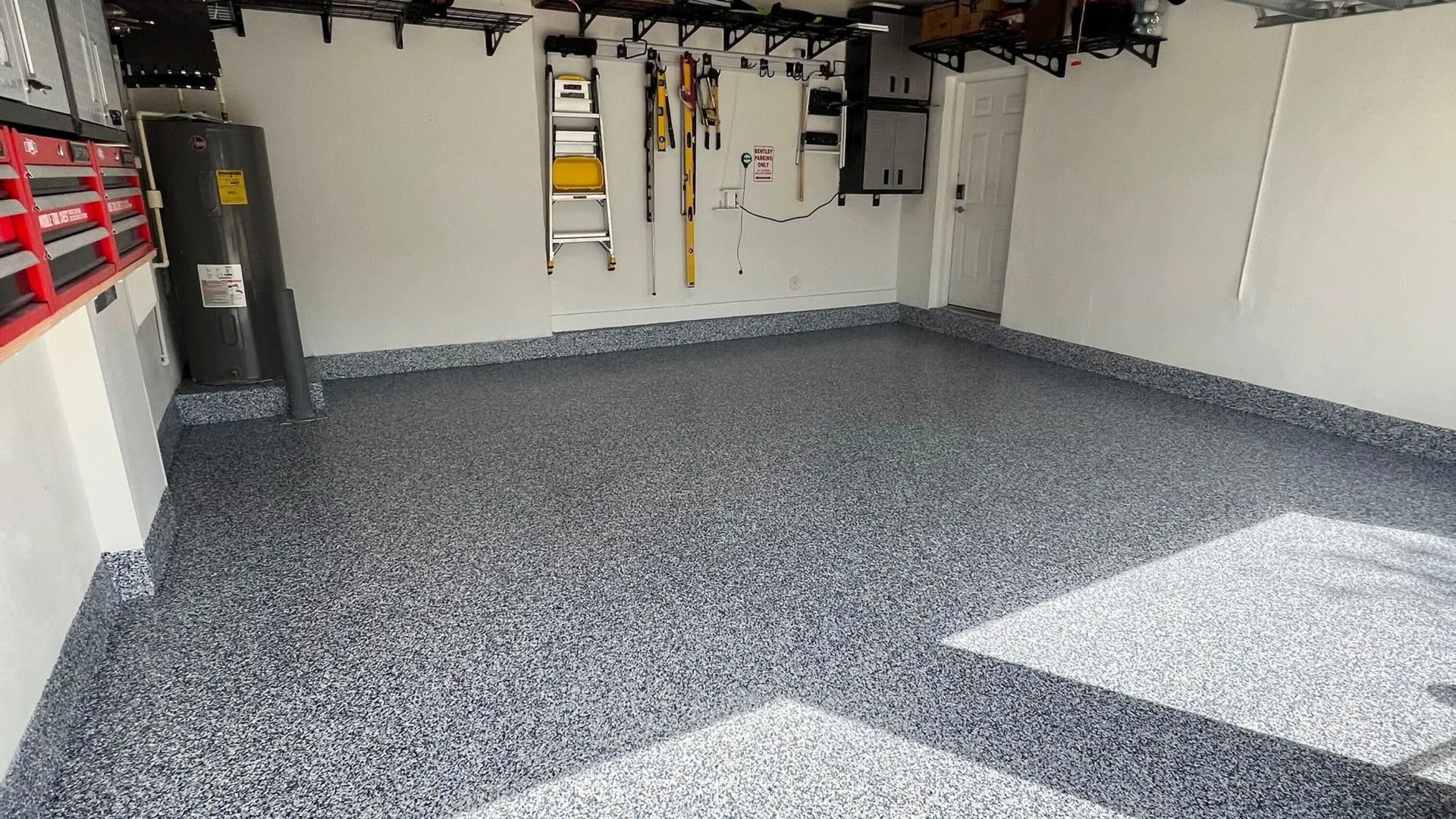
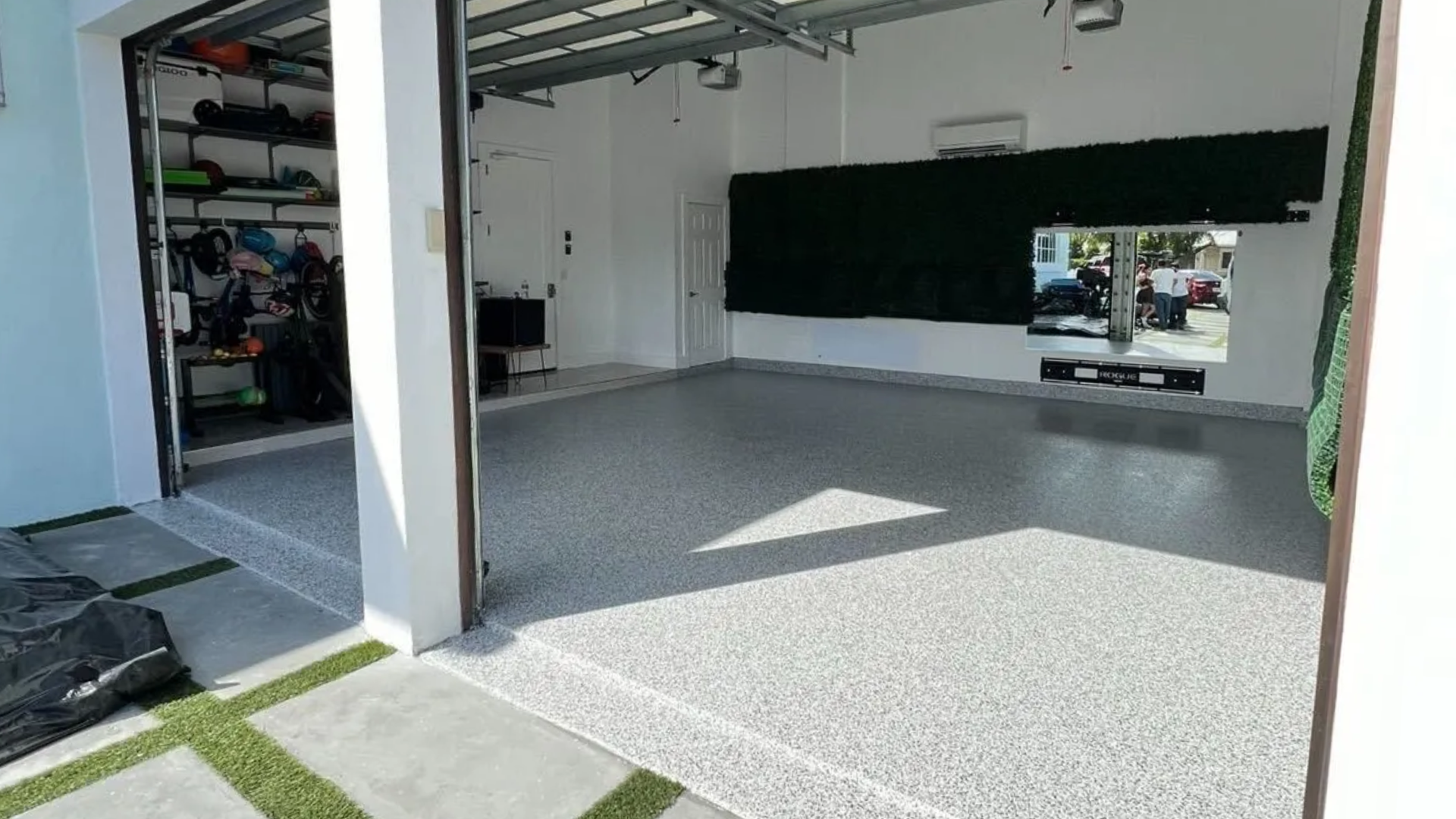
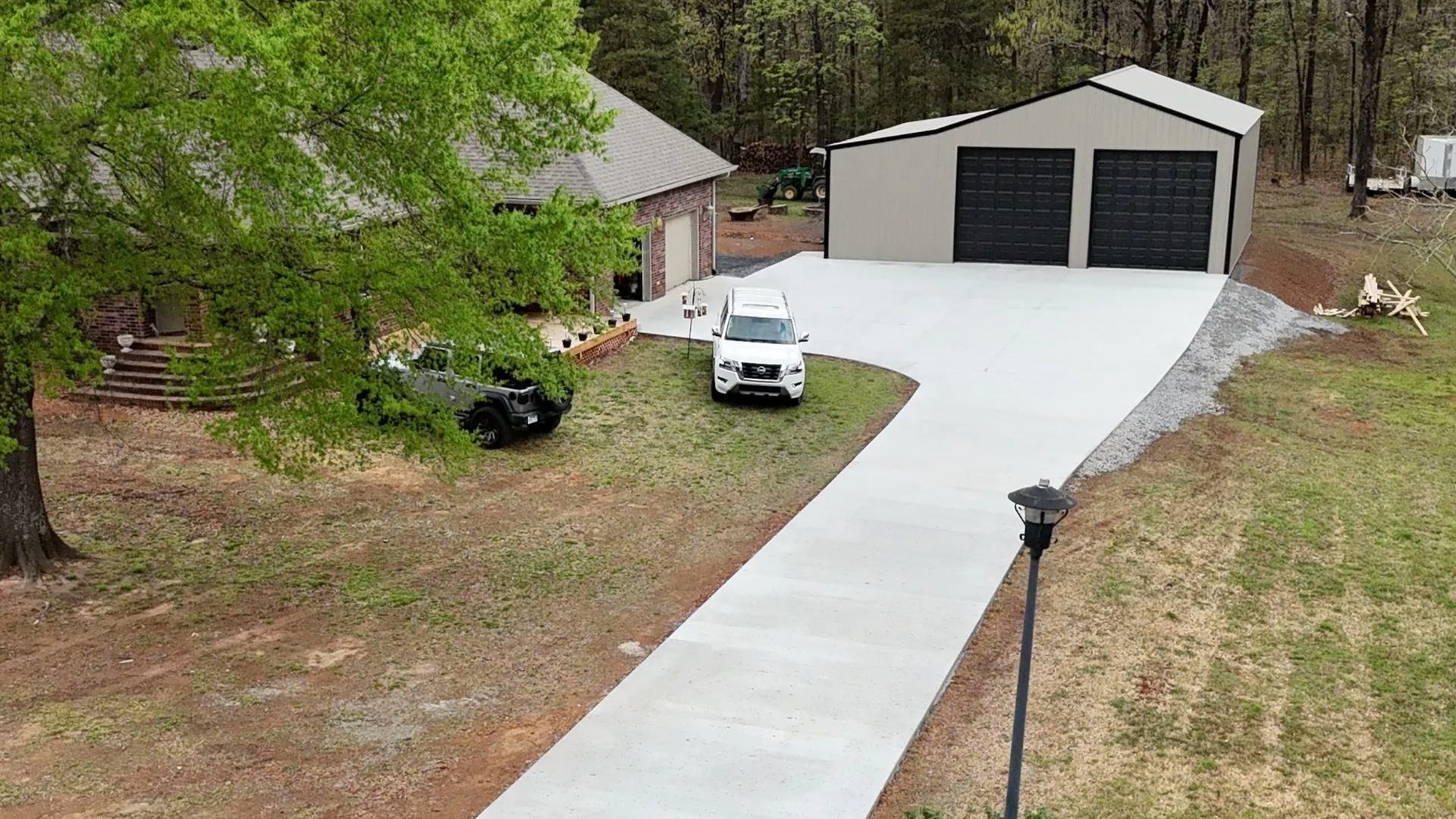
Garage slabs support vehicles and equipment. These slabs must be strong enough to handle regular traffic and weight.
Workshops and Utility Buildings
Workshops and storage buildings often place heavier loads on the slab. In these cases, thicker slabs and reinforcement may be required.
Home Additions
When expanding a home, a slab may be used as the structural base for the new living space.
Sheds and Storage Buildings
Even small structures benefit from a stable slab. A properly installed slab prevents shifting and helps keep the structure level.
Outdoor Structures
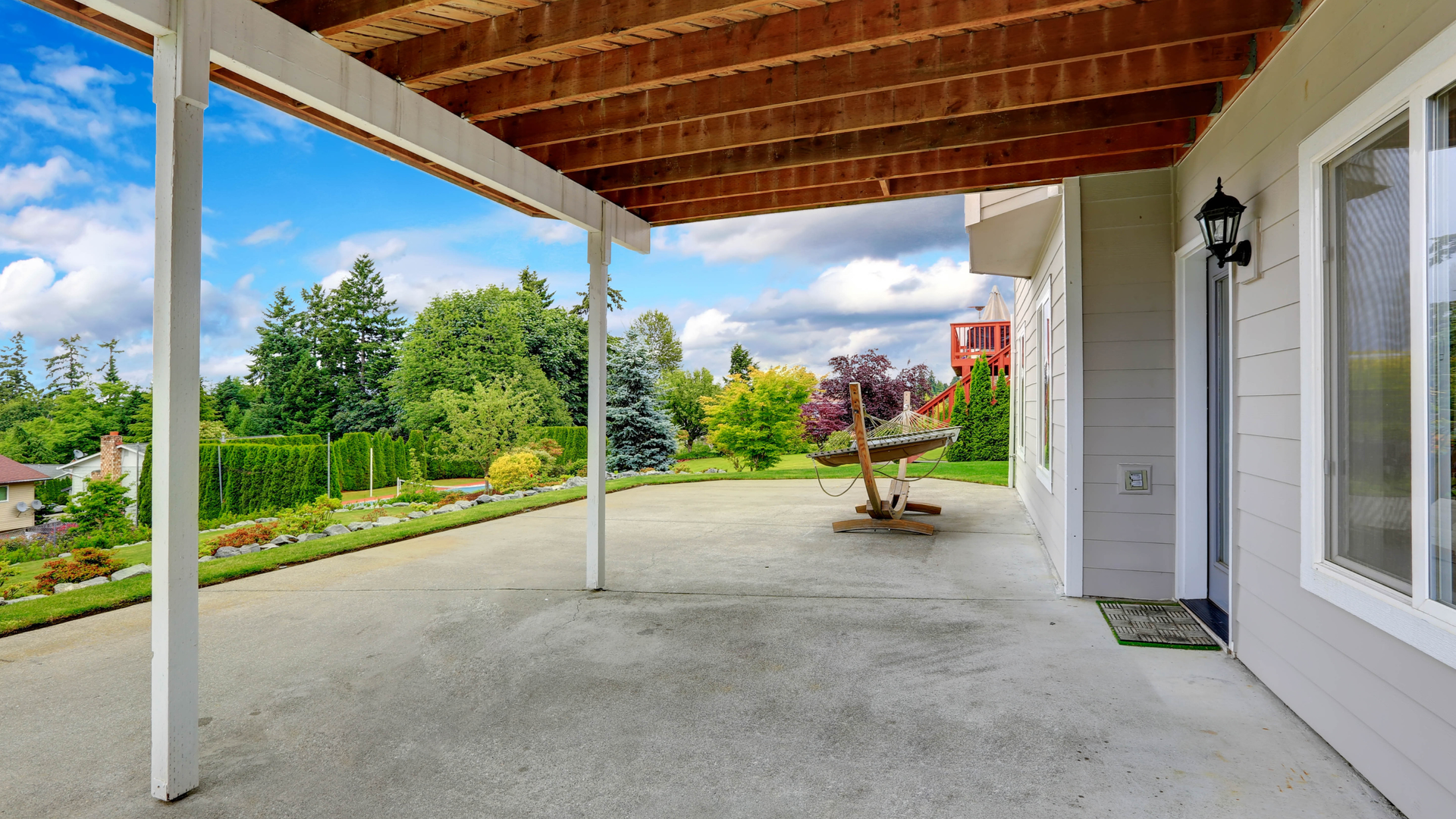
Pergolas, patio covers, and outdoor kitchens often sit on concrete slabs that support posts or structural elements.
Each type of project may require different slab thickness and reinforcement.
Why Soil Preparation Is Important
The soil underneath the slab plays a major role in its long-term performance. Even strong concrete can crack or settle if the ground below is unstable.
Before pouring concrete, contractors usually check:
- Soil type
- Moisture conditions
- Drainage patterns
- Ground stability
If the soil is not prepared properly, the slab may develop cracks or uneven areas over time.
Proper preparation often includes:
- Excavating the area to the correct depth
- Removing soft soil or debris
- Compacting the ground
- Adding a gravel base layer when needed
These steps create a stable foundation for the slab.
Concrete Slab Thickness Guidelines
Slab thickness is an important factor in durability. Thicker slabs handle heavier loads and provide better structural support.
Typical Residential Slab Thickness
| Slab Type | Typical Thickness |
|---|---|
| Patio or shed slab | 4 inches |
| Residential garage slab | 4–5 inches |
| Workshop or equipment slab | 5–6 inches |
Heavier uses often require thicker slabs and reinforcement.
Contractors determine the correct thickness based on how the slab will be used.
Reinforcement in Concrete Slabs
Concrete is strong when compressed but weaker when stretched or bent. Reinforcement helps strengthen the slab and control cracking.
Common reinforcement options include:
- Steel rebar grids
- Welded wire mesh
- Fiber reinforcement in some projects
Reinforcement does not stop cracks completely, but it helps keep them small and controlled.
Proper placement of reinforcement is important. It must be positioned correctly within the slab to provide support.
Moisture Protection and Vapor Barriers
Moisture from the soil can sometimes move through concrete slabs. This can affect flooring materials or create humidity problems in enclosed buildings.
A vapor barrier is often installed beneath the slab to help reduce moisture movement.
Benefits of vapor barriers include:
- Protecting interior flooring
- Reducing moisture buildup
- Helping maintain a stable environment inside buildings
Vapor barriers are commonly used for garages, workshops, and home additions.
Drainage and Water Management
Good drainage helps protect concrete slabs from long-term problems.
Water that collects around a slab can lead to soil movement, erosion, or surface damage.
To prevent this, contractors often design slabs with:
- Slight slopes that move water away from the structure
- Proper grading around the project area
- Gravel base layers that improve drainage
These steps help protect the slab and surrounding property.
The Concrete Slab Installation Process
Most slab installations follow a similar process. Understanding the steps can help homeowners prepare for the project.
Site Preparation
The construction area is measured and excavated to allow space for base materials and slab thickness.
Base Compaction
The soil is compacted and gravel may be installed to improve stability.
Form Installation
Forms are placed around the slab area to create the shape and edges of the slab.
Reinforcement Placement
Rebar or wire mesh is installed before pouring concrete.
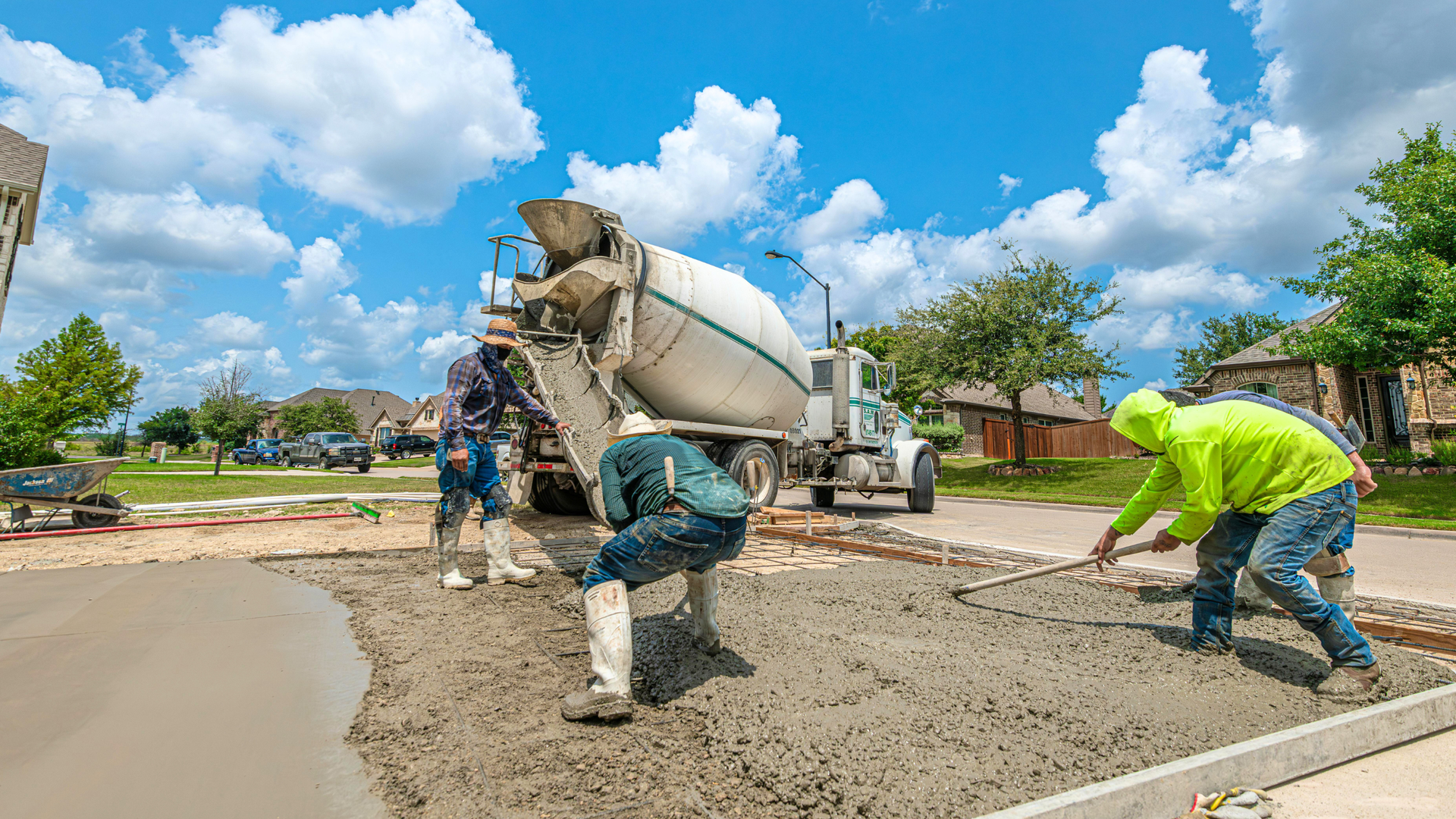
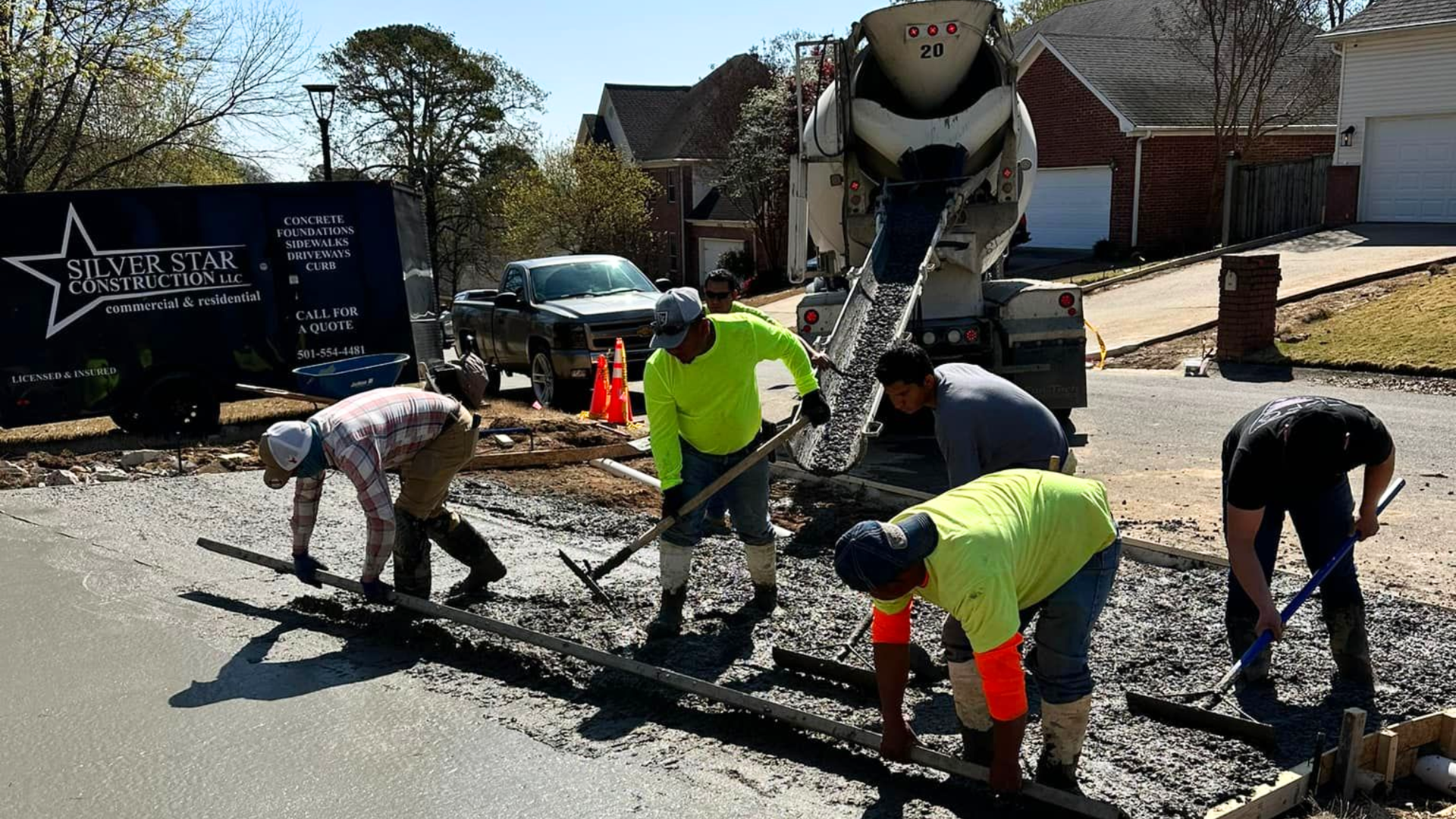
Concrete Pouring
Concrete is poured into the forms and leveled evenly.
Finishing and Curing
The surface is finished and allowed to cure slowly so the concrete can reach full strength.
Cost of Concrete Slabs
The cost of installing a concrete slab depends on several factors.
These may include:
- Size of the slab
- Thickness requirements
- Amount of reinforcement
- Excavation and site preparation
- Accessibility of the work area
Typical Concrete Slab Cost
| Slab Type | Estimated Cost Range |
|---|---|
| Standard residential slab | $18–28 per sq ft |
| Reinforced structural slab | $22–35 per sq ft |
| Complex projects or difficult sites | $30–40+ per sq ft |
These are general planning ranges. Actual project costs may vary depending on site conditions.
How Long Concrete Slabs Last
Concrete slabs are designed to last for many years. When installed properly, they can remain stable and functional for several decades.
Factors that influence lifespan include:
- Proper soil preparation
- Adequate slab thickness
- Reinforcement design
- Drainage and moisture control
- Proper curing during installation
According to Concrete Network, well-installed residential concrete can last for decades when supported by proper base preparation and maintenance.
Maintenance Tips for Concrete Slabs
Concrete slabs require relatively little maintenance, but regular observation can help prevent problems.
Homeowners should:
- Keep joints clean
- Monitor drainage around the slab
- Avoid placing loads heavier than the slab was designed for
- Watch for cracks that change over time
Small cracks are normal, but larger changes may require inspection.
Common Problems With Concrete Slabs
Most slab issues occur because of installation shortcuts or poor soil preparation.
Settlement
If the soil beneath the slab is not compacted properly, the slab may sink or shift.
Cracking
Some cracking is normal, but large cracks may indicate soil movement or structural stress.
Surface Damage
Improper curing or exposure to moisture during installation can cause surface scaling.
Proper preparation and installation help reduce the risk of these issues.
Comparing Concrete Slabs to Other Floor Systems
Concrete slabs are often compared with other structural floor systems.
| System | Stability | Lifespan | Maintenance |
|---|---|---|---|
| Reinforced concrete slab | High | 40–50+ years | Low |
| Wood floor framing | Moderate | 20–30 years | Moderate |
| Pier systems | Moderate | 30–40 years | Moderate |
Concrete slabs provide strong long-term performance when installed correctly.
Homeowners planning structural work may also want to understand how concrete foundations support residential construction projects.
Choosing the Right Contractor
The quality of installation has a major impact on slab performance.
Homeowners should work with contractors who have:
- Experience with residential slab projects
- Knowledge of soil and drainage conditions
- Clear communication and project planning
- Proper licensing and insurance
A well-installed slab helps ensure the structure above it remains stable.
Request a Concrete Slab Consultation
Concrete slabs support many types of residential projects, including garages, workshops, sheds, and home additions. Proper planning and installation help ensure the slab performs well for many years.
Silver Star Concrete serves homeowners throughout Central Arkansas, including Little Rock, Conway, Sherwood, Cabot, and North Little Rock. Careful preparation and experienced installation help ensure residential slab projects are completed correctly.