Residential and Commercial Concrete Services: A Complete Guide for Property Owners
Concrete plays a critical role in both residential and commercial construction. From driveways and patios to foundations, slabs, and structural elements, quality concrete work supports safety, performance, and long-term use of a property.
For homeowners, concrete projects often improve functionality and outdoor living space. For commercial property owners and developers, concrete is essential to site preparation, structural integrity, and compliance with building requirements.
This guide explains the most common residential and commercial concrete services, how projects are typically planned and installed, and what property owners should understand before starting a concrete project.
What Professional Concrete Services Include
Concrete services cover a wide range of applications across residential, commercial, and mixed-use properties. While the materials may look similar on the surface, each type of project requires different planning, preparation, and execution.
Professional concrete services typically include:
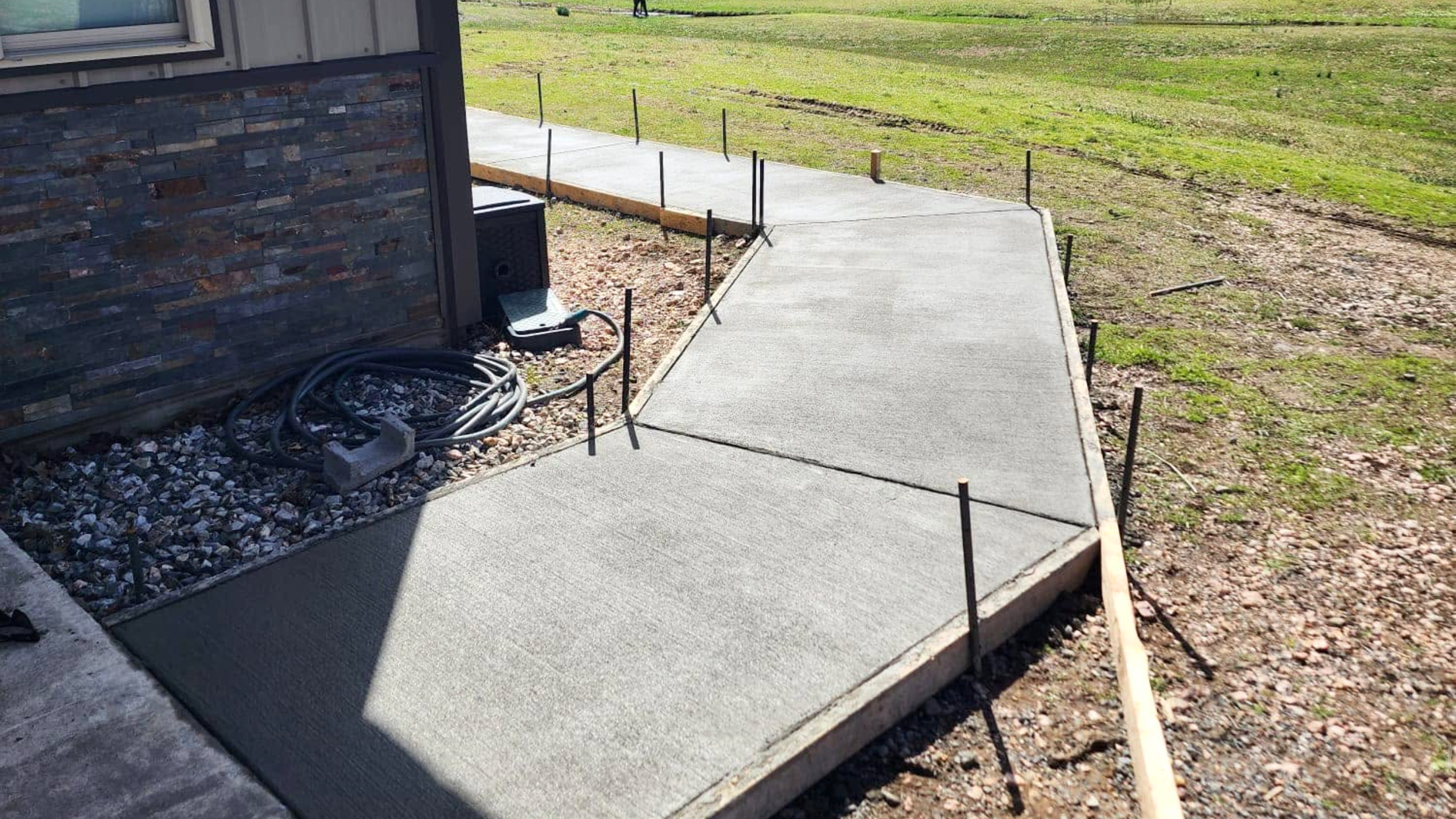
- Flatwork for driveways, patios, and slabs
- Structural concrete for foundations and load-bearing elements
- Retaining walls and site containment systems
- Commercial flatwork and access features
- Site preparation and grading coordination
- Forming, pouring, finishing, and curing
A professional contractor evaluates site conditions, usage requirements, and long-term performance expectations before recommending a solution.
Residential Concrete Services Explained
Residential concrete projects focus on functionality and everyday use. These projects are designed to support vehicles, outdoor living, and the structural needs of a home.
Common Residential Concrete Projects
Driveways
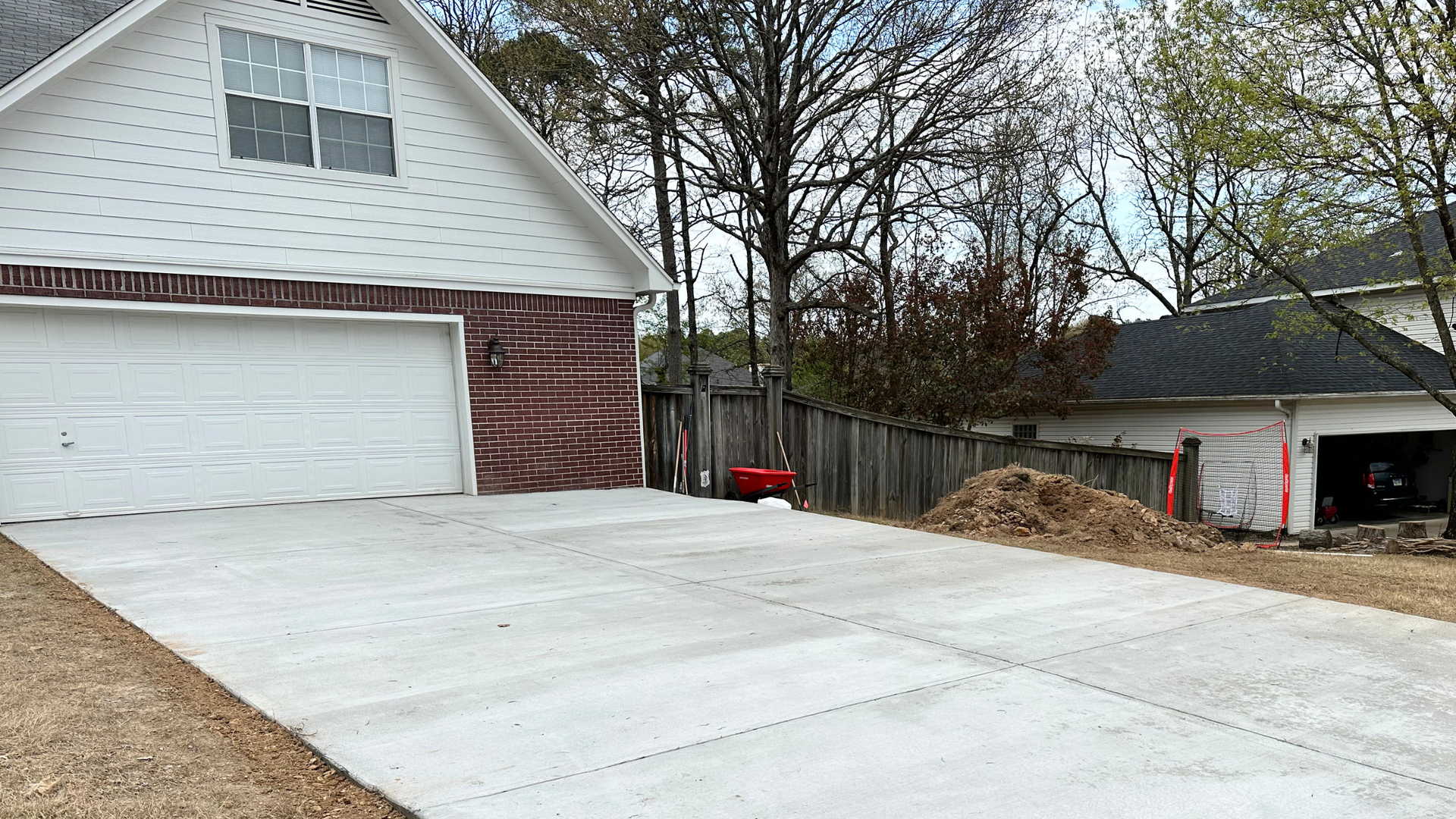
Concrete driveways provide a stable, durable surface for vehicles and daily use. Proper thickness, reinforcement, and subgrade preparation help manage vehicle loads and seasonal movement.
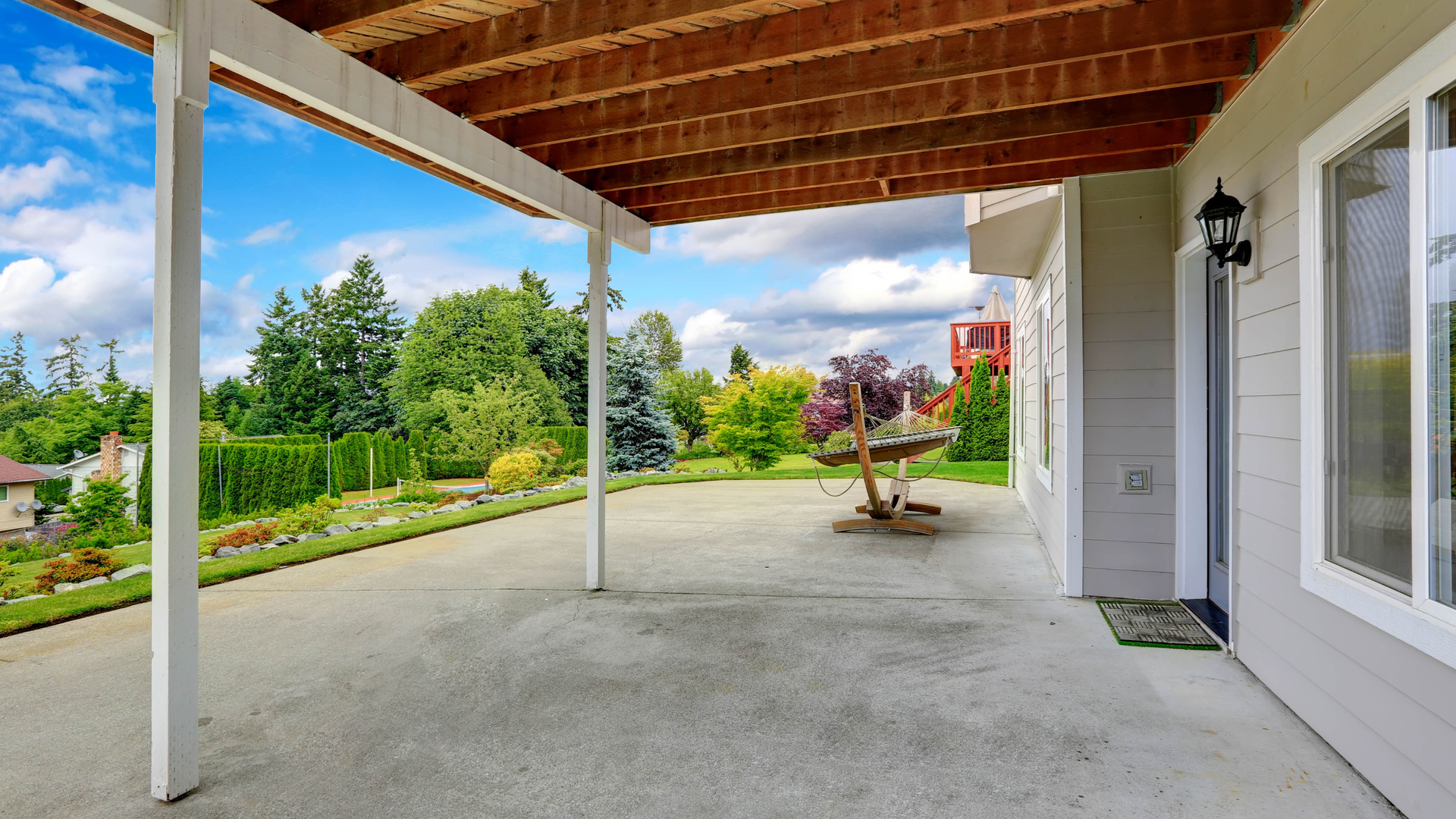
Patios and Outdoor Living Areas
Concrete patios create usable outdoor space for seating, dining, and entertainment. Design considerations include size, drainage, surface finish, and integration with landscaping or structures.
Concrete Slabs
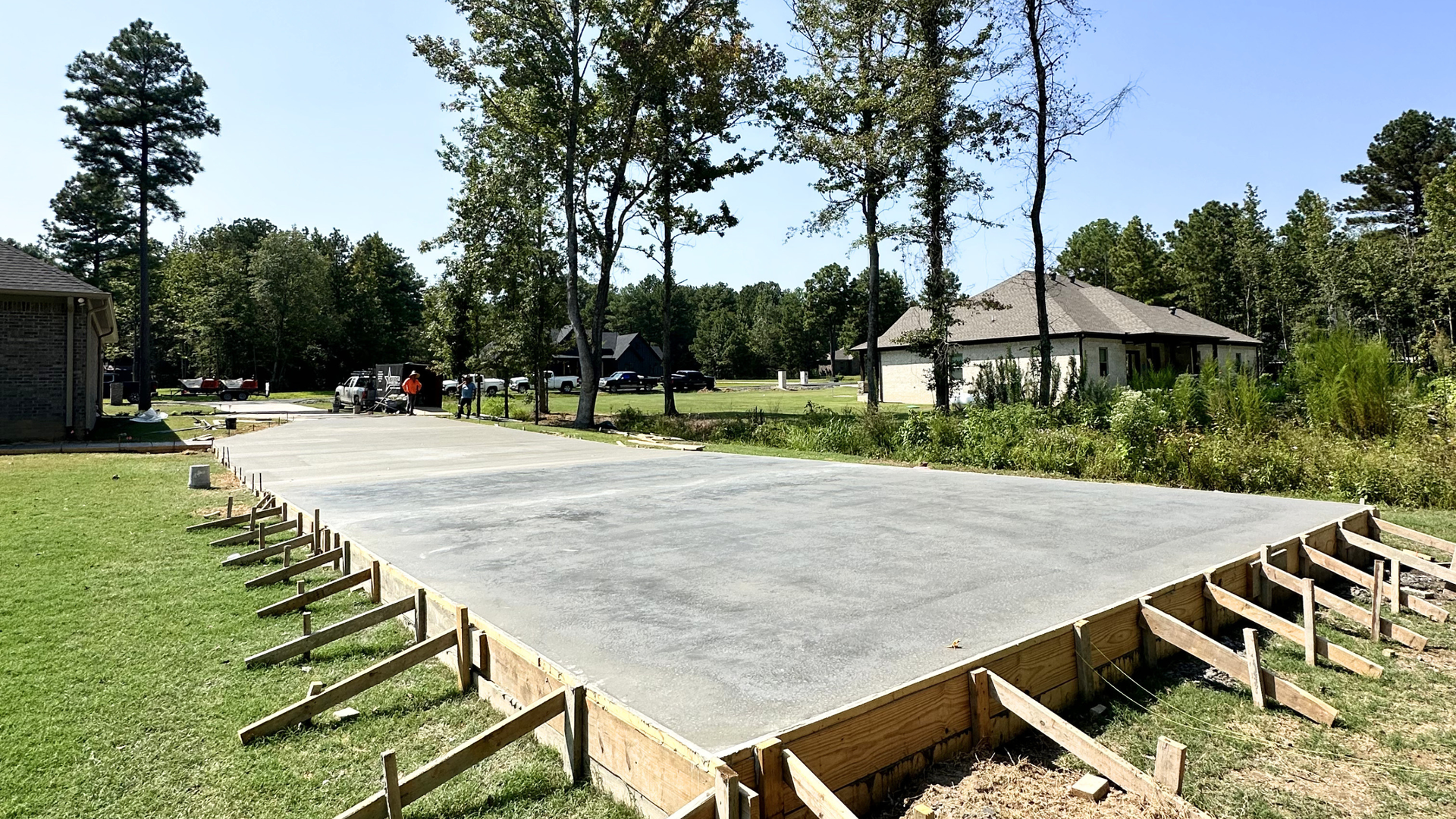
Slabs support garages, sheds, additions, and accessory structures. Slab thickness and reinforcement depend on the intended load and use.
Foundations and Footings
Residential foundations require precise layout, proper reinforcement, and attention to soil conditions. Foundations support the structure above and play a key role in long-term stability.
When Homeowners Typically Need Concrete Work
Homeowners often consider concrete services when:
- Building a new home or addition
- Replacing aging or damaged surfaces
- Expanding outdoor living space
- Improving site functionality or drainage
- Planning long-term property improvements
Early planning allows for proper scheduling, design coordination, and site preparation.
Commercial Concrete Services Explained
Commercial concrete projects involve higher usage demands, stricter regulations, and more complex coordination. These projects often support business operations, public access, and structural systems.
Common Commercial Concrete Applications
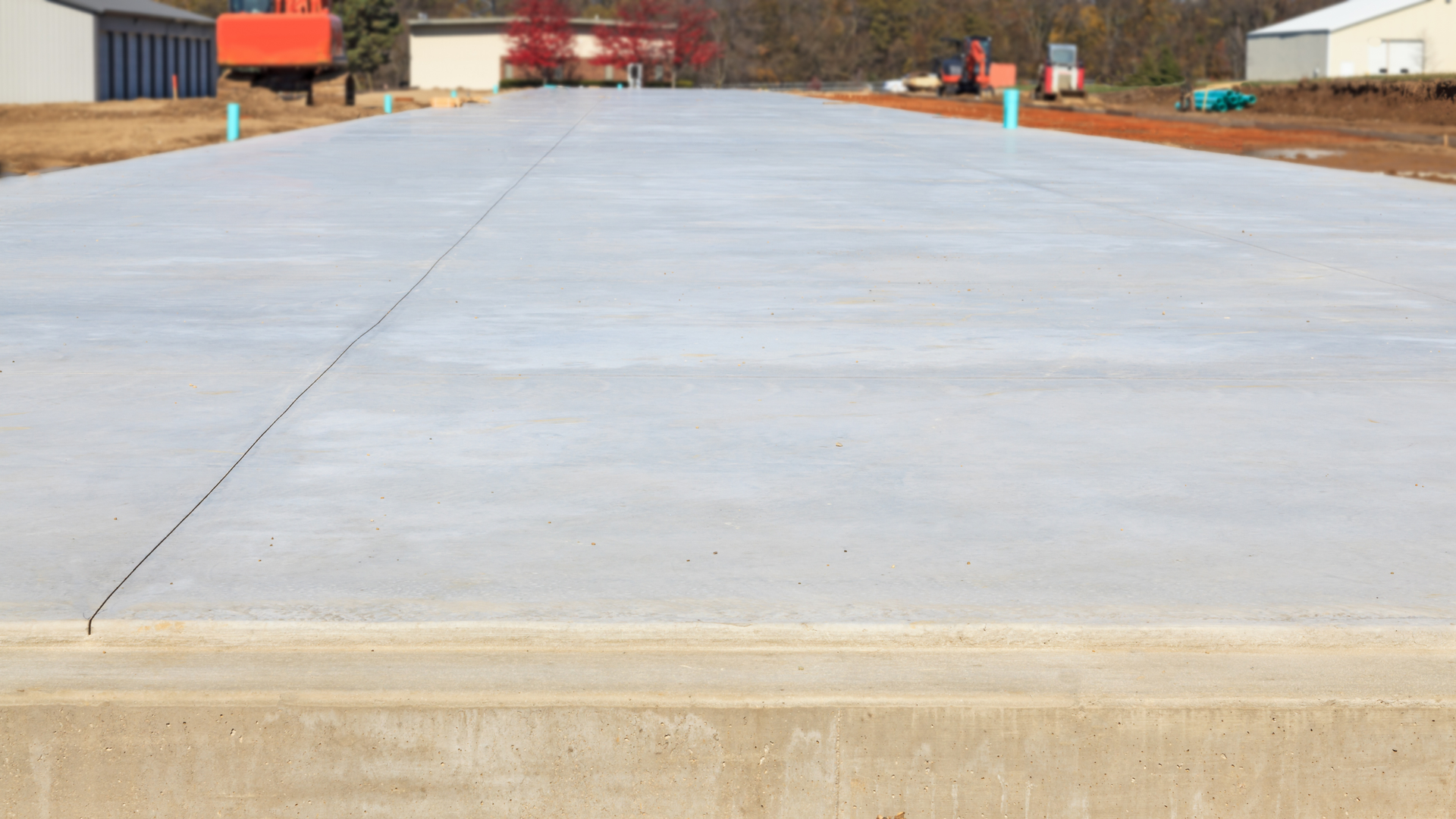
Commercial Flatwork
Includes parking areas, loading zones, service pads, and access surfaces. Flatwork must handle frequent traffic, equipment loads, and environmental exposure.
Structural Concrete
Used for foundations, footings, and load-bearing components. Structural concrete requires coordination with engineering plans and careful execution.
ADA-Compliant Features
Commercial properties often require ramps and access features that meet accessibility standards. These elements must follow slope, width, and surface requirements.
Site Preparation and Layout
Commercial projects often involve coordination with grading, utilities, and drainage systems. Accurate layout ensures alignment with site plans and specifications.
Key Considerations for Commercial Projects
Commercial concrete work typically requires:
- Detailed planning and scheduling
- Coordination with engineers and inspectors
- Compliance with building codes and standards
- Durability for high-traffic use
- Clear communication between all parties
Experienced contractors understand how to manage these requirements efficiently.
The Concrete Installation Process
While each project is unique, most concrete installations follow a similar process. Understanding these steps helps property owners know what to expect.
1. Planning and Layout
The process begins with reviewing site plans, marking layout lines, and confirming elevations. Accurate layout ensures proper dimensions, drainage, and alignment with surrounding features.
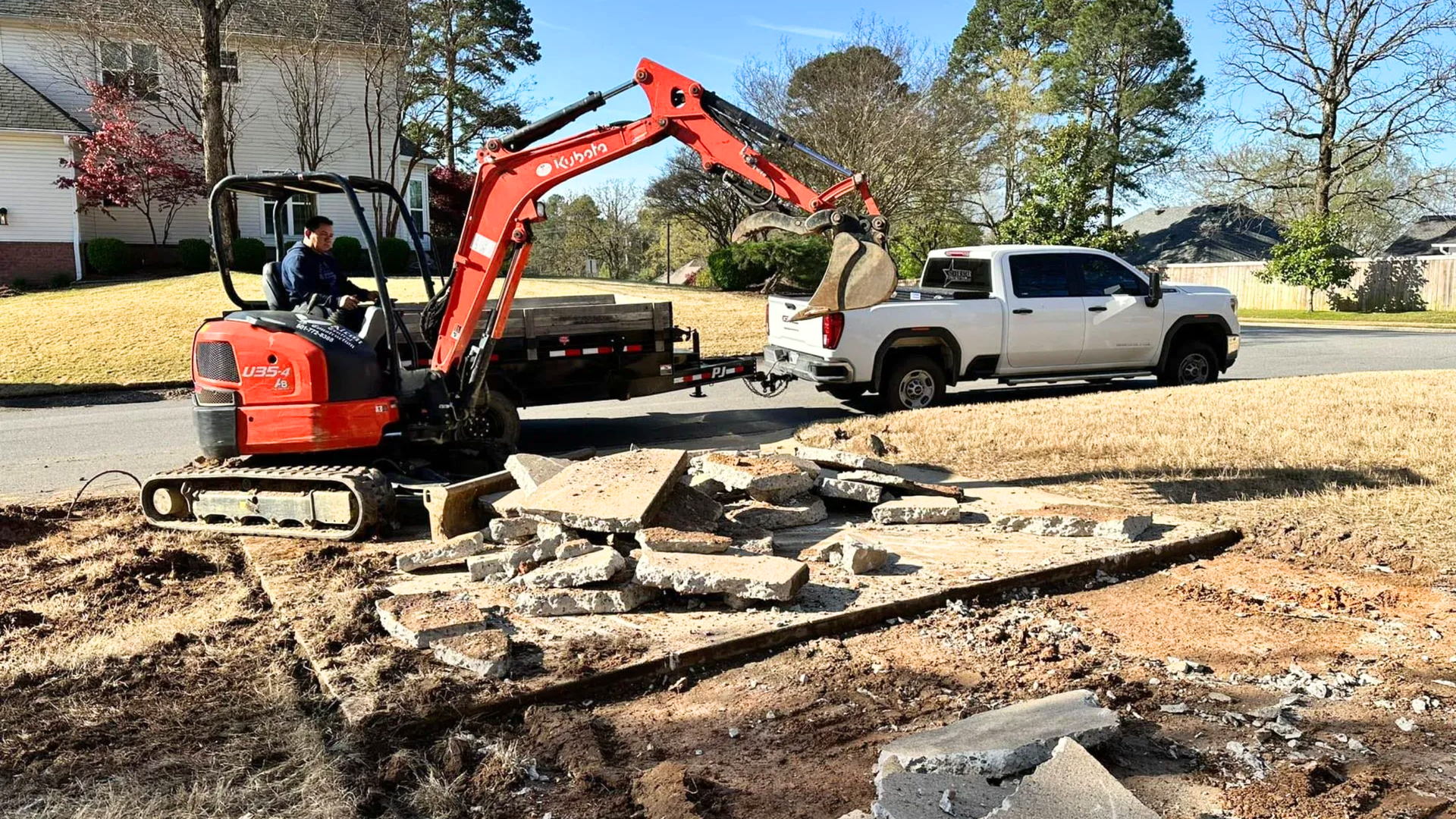
2. Site Preparation
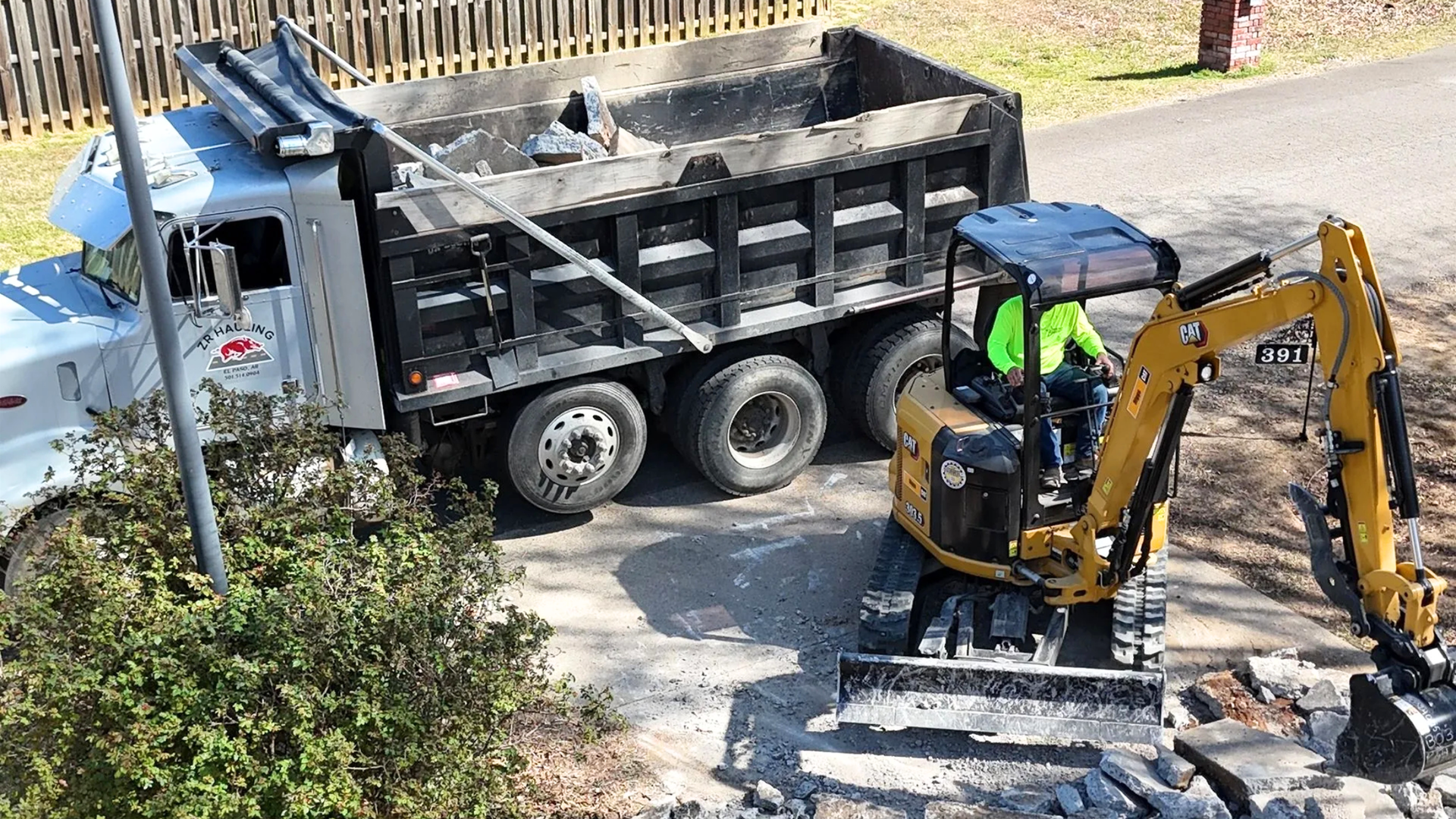
Proper site preparation includes excavation, grading, and subgrade compaction. A stable base is critical to long-term performance.
3. Forming and Reinforcement
Forms define the shape and edges of the concrete. Reinforcement such as rebar or wire mesh is installed based on load and usage requirements.
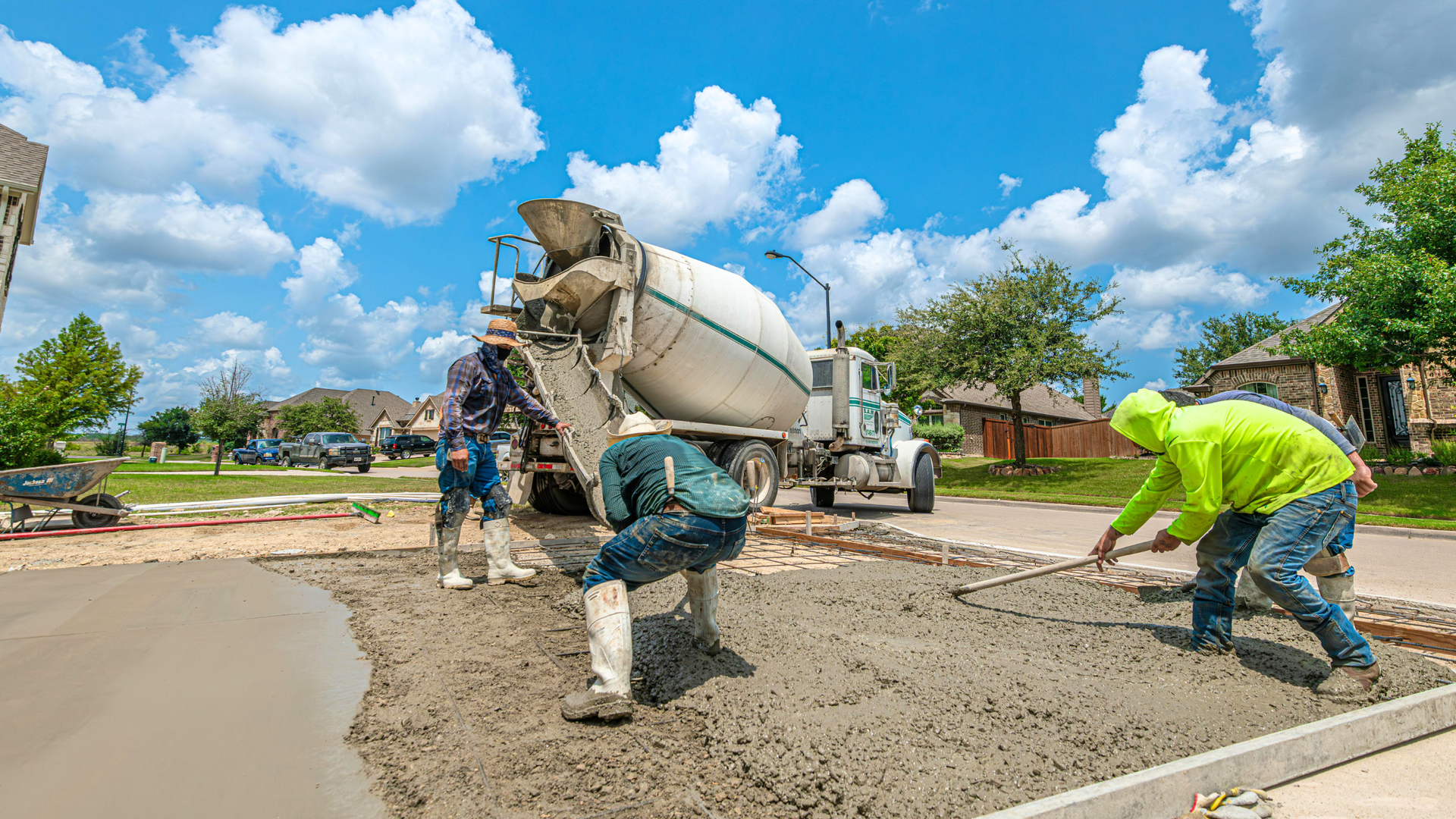
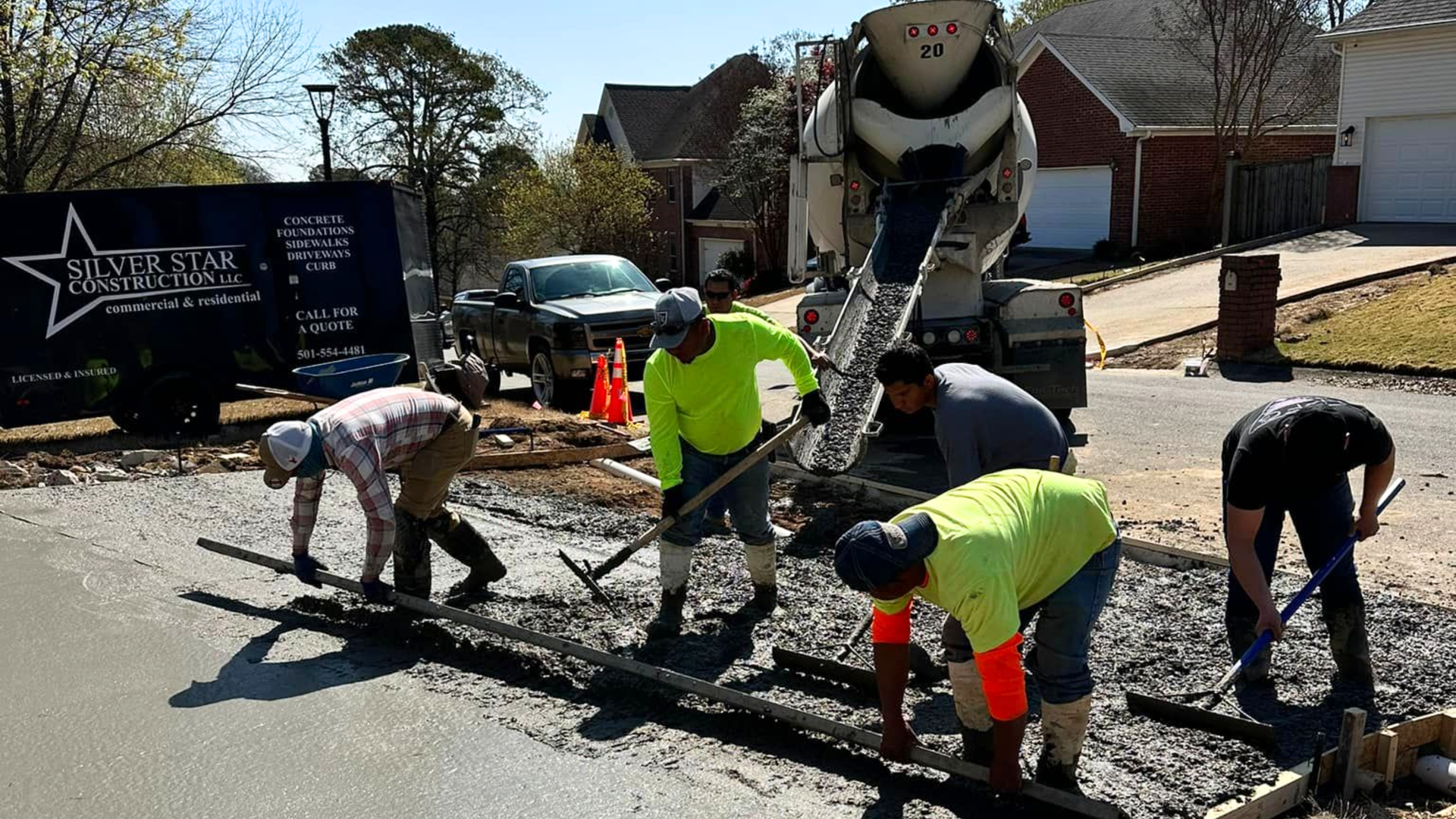
4. Pouring and Finishing
Concrete is placed, leveled, and finished according to the project’s specifications. Finishing methods vary depending on the intended use of the surface.
5. Curing
Curing allows the concrete to gain strength over time. Proper curing helps reduce cracking and supports long-term durability.
Factors That Influence Concrete Project Cost
Concrete pricing varies depending on several factors. While exact costs depend on project details, common influences include:
- Project size and thickness
- Site accessibility and preparation needs
- Reinforcement requirements
- Drainage or grading complexity
- Surface finish and detailing
- Timeline and scheduling
A professional evaluation helps establish realistic expectations.
Choosing the Right Concrete Contractor
Selecting the right contractor is one of the most important decisions in a concrete project. Quality workmanship begins with experience, planning, and communication.
What to Look For in a Contractor
Experience with Similar Projects
Contractors should have proven experience with the type of project being planned, whether residential or commercial.
Licensing and Insurance
Proper licensing and insurance protect both the property owner and the contractor.
Clear Communication
Clear communication helps prevent delays, misunderstandings, and unexpected changes.
Project Management
Well-managed projects stay organized, coordinated, and aligned with expectations.
Why Quality Concrete Work Matters Long-Term
Concrete is a long-term investment. Proper installation directly affects how a surface performs over time.
Quality concrete work supports:
- Structural reliability where required
- Safe and functional surfaces
- Proper drainage and site performance
- Reduced maintenance needs
- Consistent performance under use
Attention to preparation, materials, and execution makes a measurable difference.
Planning Your Concrete Project
Whether planning a residential improvement or a commercial installation, preparation helps the process run smoothly.
Before starting a project, consider:
- Intended use and traffic levels
- Timeline and scheduling needs
- Site access and preparation
- Coordination with other trades
- Long-term performance expectations
Working with a professional contractor early in the process supports better outcomes.
Working With Silver Star Concrete
Silver Star Concrete provides residential and commercial concrete services with a focus on preparation, execution, and long-term performance. From flatwork and foundations to structural and commercial projects, each job is approached with careful planning and clear communication.
Whether improving a residential property or managing a commercial build, experienced concrete professionals help ensure the work is completed efficiently and responsibly.
Request a Consultation or Estimate
Concrete projects benefit from early planning and professional guidance. If you are considering residential or commercial concrete services, reach out to discuss your project, timeline, and site requirements.
Silver Star Concrete proudly serves Central Arkansas, including Little Rock, Conway, Sherwood, Cabot, and North Little Rock. Whether your project is residential or commercial, a clear plan and experienced execution make all the difference.