
Concrete Patios: Design Options, Cost, Durability, and What Homeowners Should Know
A concrete patio is one of the most practical and long-lasting outdoor improvements a homeowner can make. It expands usable living space, supports daily activity, and creates a stable surface for seating, dining, and gathering. When properly designed and installed, a concrete patio can perform reliably for decades with minimal maintenance.
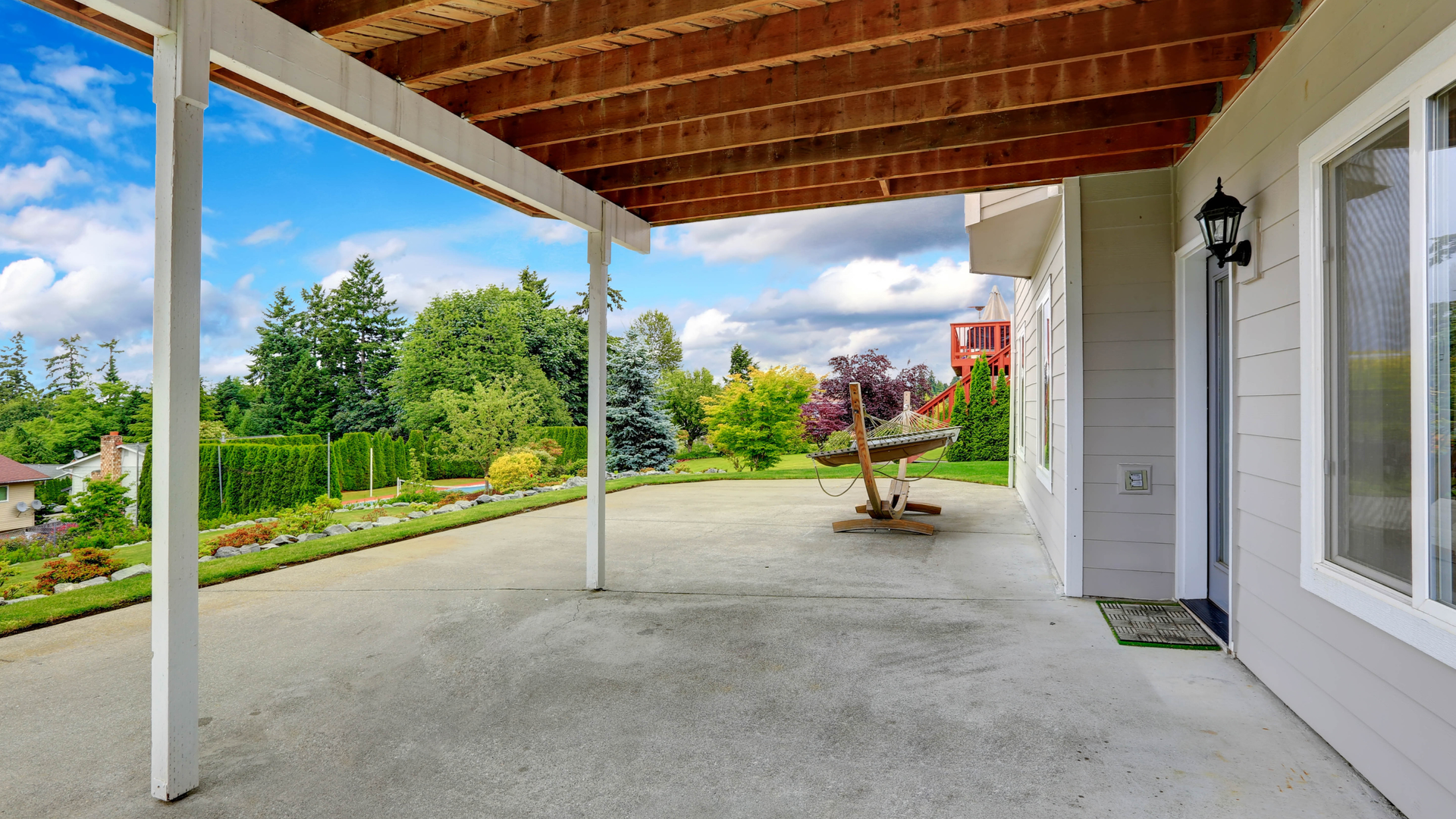
Planning a patio requires more than choosing a size and pouring concrete. Soil stability, drainage, thickness, reinforcement, surface finish, and long-term use all influence performance. This guide explains what property owners should understand before starting a concrete patio project so they can make informed decisions about design, cost, and durability.
Why Concrete Is a Practical Patio Material
Concrete remains one of the most widely used patio materials because it offers strength, flexibility in layout, and long-term value when installed correctly.
Compared to wood decking or pavers, concrete provides:
- A stable, continuous surface
- Lower long-term maintenance
- Strong resistance to shifting when properly installed
- Flexible sizing and layout options
Unlike segmented materials, poured concrete forms a single structural slab. When supported by a properly compacted base, it resists uneven settling and surface movement.
Homeowners researching patio projects can explore Central Arkansas concrete patios to see how patio installations are structured and executed.
Planning a Concrete Patio: What to Decide First
Every successful patio begins with planning. The intended use, size, and layout directly affect slab thickness, reinforcement, and cost.
Define How the Patio Will Be Used
Start by identifying the primary function:
- Outdoor dining
- Seating area
- Grill or outdoor kitchen
- Fire feature
- Hot tub or spa
Heavier built-in elements require thicker slabs and reinforcement. Planning for these loads before installation prevents structural issues later.
Size and Layout Considerations
Patio size should match realistic use. Oversized patios increase cost without adding function, while undersized patios can feel cramped.
Important layout considerations include:
- Access from the home
- Drainage direction
- Transition to landscaping
- Space for furniture movement
A well-planned layout improves daily usability and long-term performance.
Concrete Patio Thickness Guidelines
Thickness directly affects durability. While patios do not carry vehicle loads like driveways, they must support concentrated weight from furniture and built-in features.
Typical Residential Patio Thickness
| Patio Use | Recommended Thickness |
|---|---|
| Standard seating/dining | 4 inches |
| Patio with grill island | 4–5 inches |
| Patio supporting hot tub | 5–6 inches |
When heavier features are planned, additional thickness and reinforcement improve crack control and load distribution.
Reinforcement and Crack Control
Concrete naturally expands and contracts with temperature changes. Reinforcement and joint placement help manage this movement.
Common reinforcement methods include:
- Steel rebar grid
- Welded wire mesh
- Planned control joints
Reinforcement does not eliminate cracking, but it keeps cracks controlled and reduces separation.
The Importance of Base Preparation
Base preparation is one of the most critical factors in patio longevity. Even decorative concrete will fail if the subgrade is unstable.
Proper preparation includes:
- Excavation to correct depth
- Removal of soft soil
- Subgrade compaction
- Gravel base when required
- Establishing proper slope
A stable base reduces the risk of settling and uneven surfaces over time.
Drainage Planning
Water management plays a major role in long-term performance. Patios should slope slightly away from the home to prevent pooling and water intrusion.
Improper drainage can cause:
- Surface staining
- Erosion along slab edges
- Water issues near foundations
Proper grading during installation protects both the patio and the surrounding structure.
Concrete Patio Finishes and Design Options
Concrete patios can be finished in several ways depending on appearance preferences and traction needs.
Broom Finish
A broom finish provides light texture and slip resistance. It is practical and low maintenance.
Clean Joint Layout
Well-planned joint lines improve visual appearance while managing natural cracking.
Simple Decorative Borders
Subtle borders can define patio edges without increasing maintenance demands.
Homeowners often benefit from prioritizing durability and function over heavily decorative treatments.
Installation Process: What to Expect
Understanding the installation process helps homeowners prepare and plan.
Layout and Excavation
The patio area is measured and excavated to allow proper base depth.
Base Compaction
Soil is compacted and gravel may be installed to improve stability.
Forming and Reinforcement
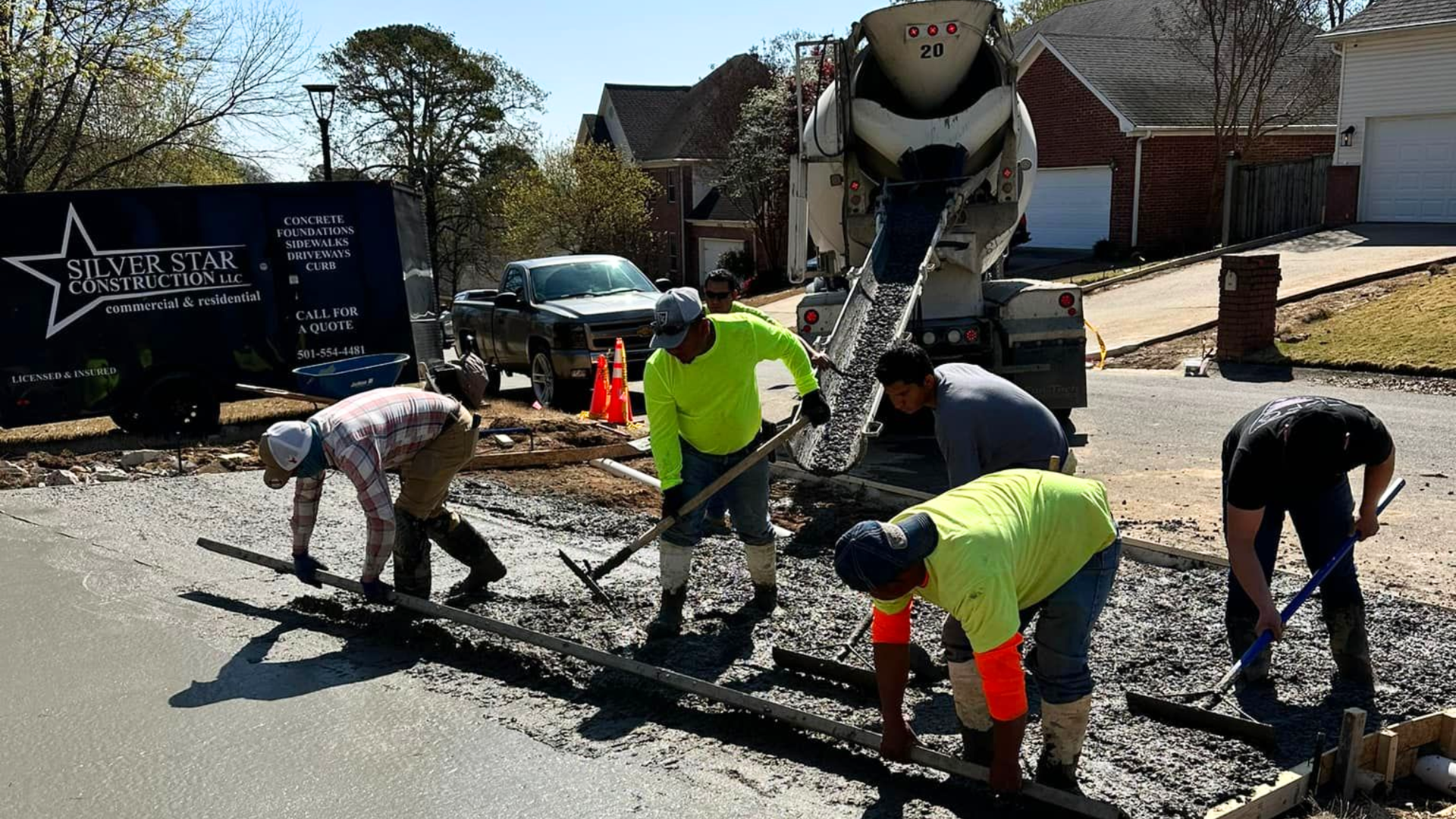
Forms establish dimensions and edge alignment. Reinforcement is installed as specified.
Pouring and Finishing
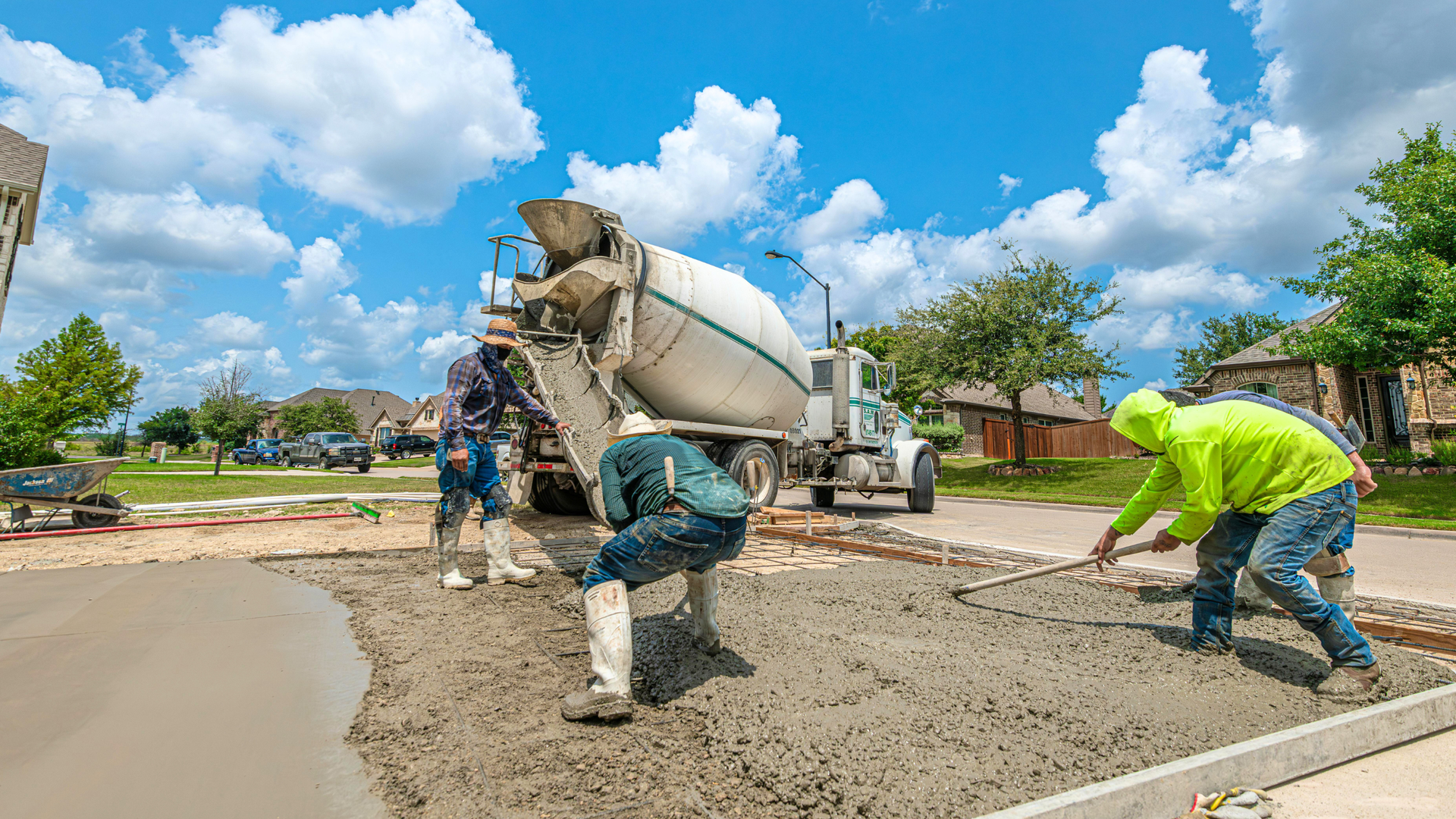
Concrete is placed, leveled, and finished according to the chosen surface texture.
Curing
Concrete must cure properly before heavy use. Premature loading can reduce long-term performance.
Cost of Concrete Patios
Concrete patio pricing varies depending on size, thickness, reinforcement, and site conditions.
Realistic Patio Cost Ranges
| Patio Type | Typical Cost Range |
|---|---|
| Standard 4-inch patio | $18–28 per sq ft |
| Reinforced or thicker patio | $22–35 per sq ft |
| Complex layout or access challenges | $30–40+ per sq ft |
Actual costs depend on site-specific conditions and design requirements.
Expected Lifespan of a Concrete Patio
A properly installed concrete patio can last 25 to 40 years or more. Longevity depends heavily on base preparation, reinforcement, and curing.
According to industry resource Concrete Network, well-installed residential concrete can provide decades of service when supported by proper base preparation and maintenance. This aligns with real-world performance observed in professionally installed patio systems.
Factors that influence lifespan include:
- Proper base compaction
- Adequate slab thickness
- Reinforcement placement
- Drainage control
- Routine maintenance
When these elements are addressed, patios typically perform reliably for many years.
Maintenance Requirements
Concrete patios require relatively low maintenance.
Recommended care includes:
- Keeping joints clear
- Cleaning periodically
- Addressing drainage issues promptly
- Avoiding harsh chemical deicers
Decorative finishes may require occasional sealing depending on exposure.
Common Patio Mistakes to Avoid
Many long-term problems result from early installation shortcuts.
Mistakes That Reduce Durability
- Inadequate base preparation
- Minimal slab thickness
- Poor drainage slope
- Allowing heavy use too soon
- Choosing contractors based solely on price
Short-term savings often lead to higher long-term repair costs.
Comparing Concrete to Other Patio Materials
Homeowners often compare concrete with wood decking or pavers.
| Material | Maintenance | Stability | Lifespan |
|---|---|---|---|
| Concrete | Low | High | 25–40+ years |
| Wood Deck | High | Moderate | 10–20 years |
| Pavers | Moderate | Moderate | 20–30 years |
Concrete offers strong long-term value when properly installed.
For homeowners planning multiple exterior improvements, Central Arkansas Residential Concrete Services provides guidance on coordinating patio work with other residential concrete projects.
Choosing the Right Contractor
Installation quality determines performance more than the material itself.
Homeowners should look for:
- Experience with residential patios
- Knowledge of soil conditions
- Clear planning and communication
- Proper licensing and insurance
- Realistic project timelines
A professional approach reduces risk and supports consistent results.
Working With Silver Star Concrete
Silver Star Concrete installs residential patios designed for durability, drainage, and long-term performance. Each project begins with careful evaluation of site conditions and structural needs.
The focus remains on preparation, reinforcement, and stability rather than shortcuts.
Request a Concrete Patio Consultation
A concrete patio is a long-term outdoor investment that benefits from thoughtful planning and experienced installation. Discussing layout, thickness, and drainage needs early helps ensure strong performance over time.
Silver Star Concrete serves homeowners throughout Central Arkansas, including Little Rock, Conway, Sherwood, Cabot, and North Little Rock. Careful planning and professional execution make a measurable difference in patio durability.