Residential Concrete Services in Central Arkansas: What Homeowners Need to Know Before Starting a Project
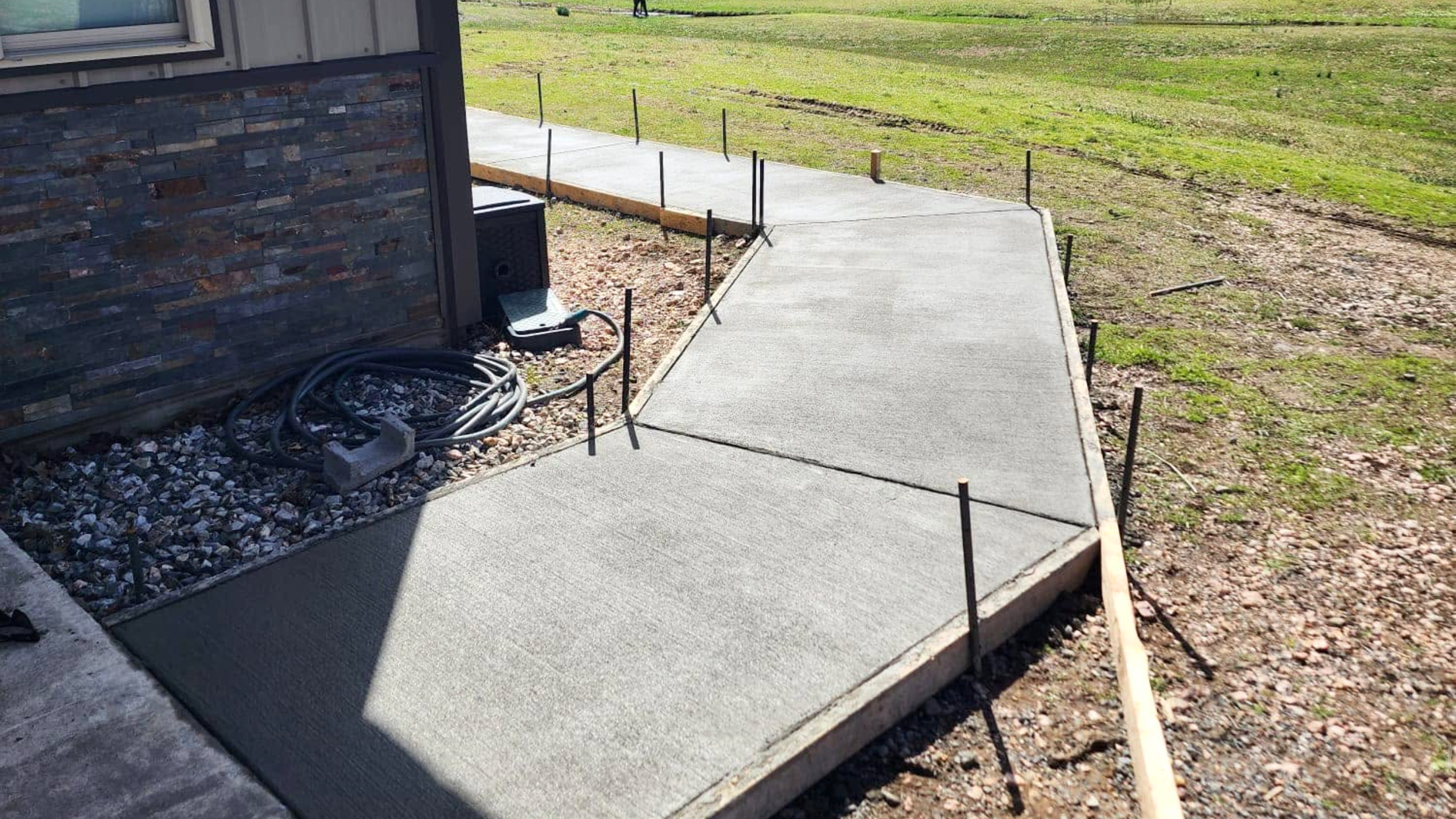
Residential concrete plays a major role in how a home functions, performs, and holds up over time. From driveways and patios to slabs and foundations, concrete surfaces support daily use, vehicle traffic, and structural stability. For homeowners in Central Arkansas, understanding how residential concrete projects are planned and installed helps avoid common issues and leads to better long-term results.
This guide explains the most common residential concrete services, what goes into a proper installation, and what homeowners should know before hiring a contractor.
Understanding Residential Concrete Services
Residential concrete services focus on projects designed for everyday household use. These installations must account for soil conditions, drainage, climate, and how the space will be used over time.
Homeowners typically invest in concrete for:
- Vehicle access and parking
- Outdoor living and entertainment
- Structural support
- Property upgrades and improvements
Professional contractors evaluate each project individually rather than using a one-size-fits-all approach. For a broader overview of how residential work fits within the full range of concrete services, homeowners can reference Central Arkansas Residential Concrete Services for a complete breakdown.
Concrete Driveways: Function, Durability, and Planning
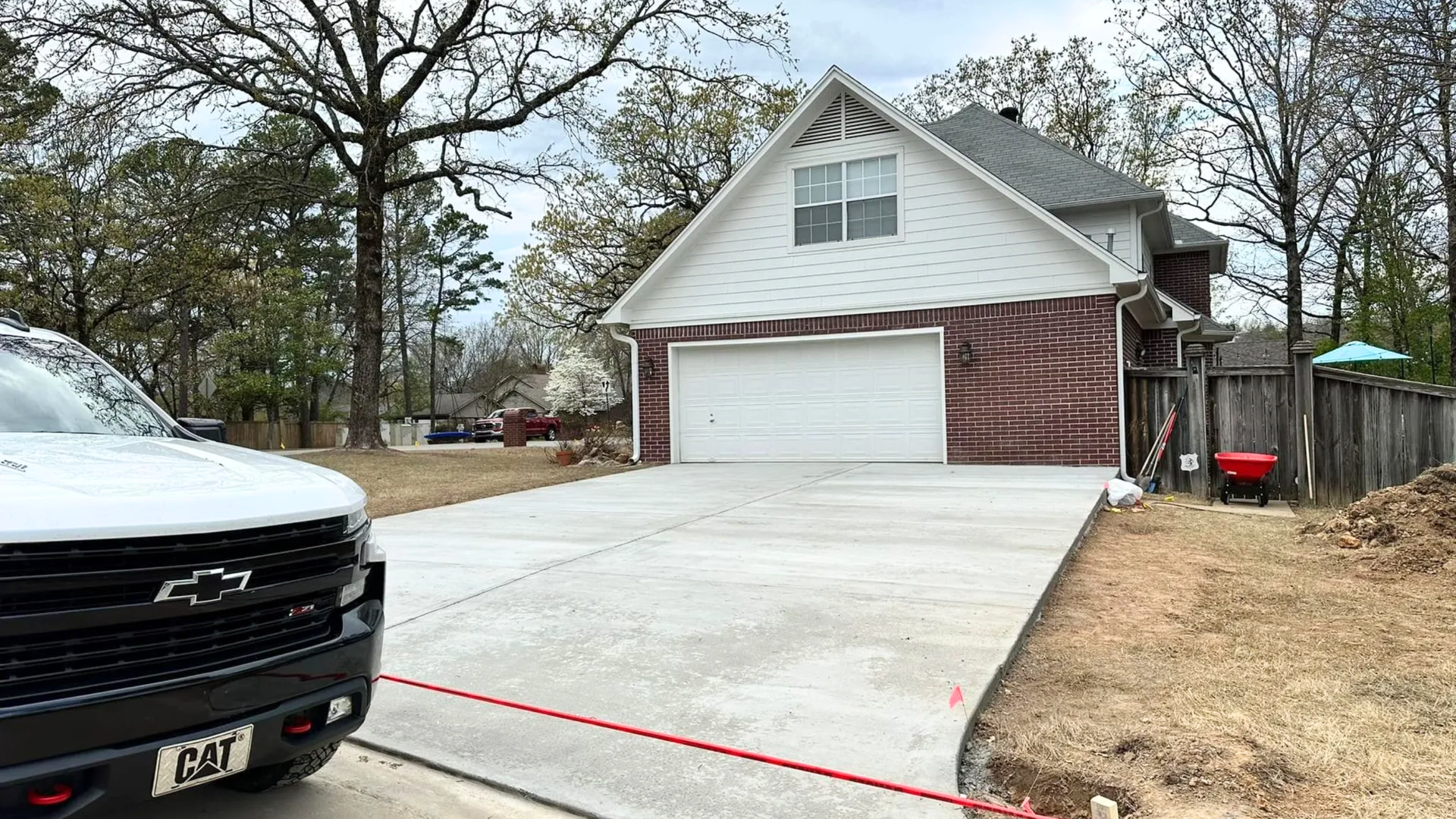
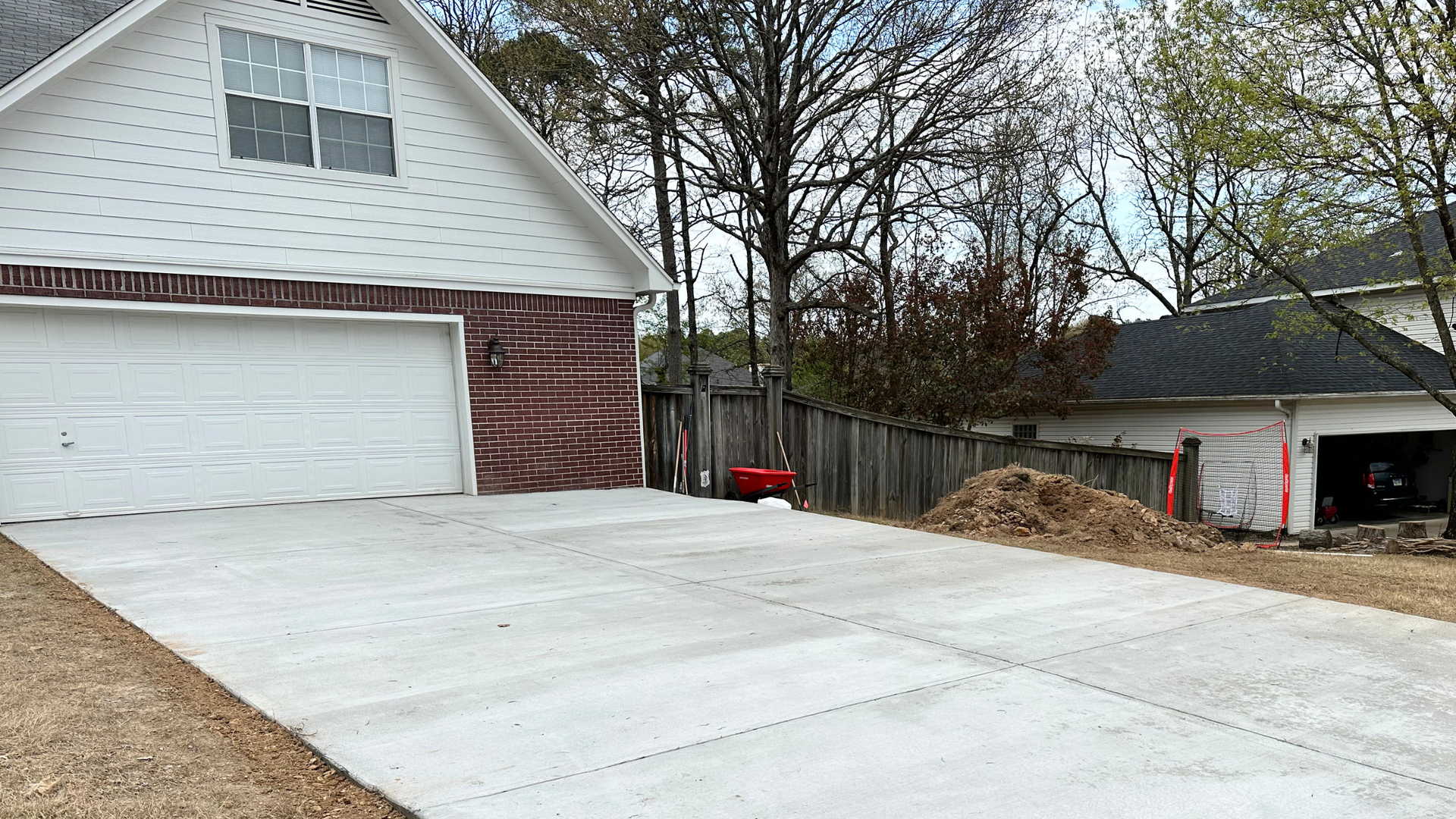
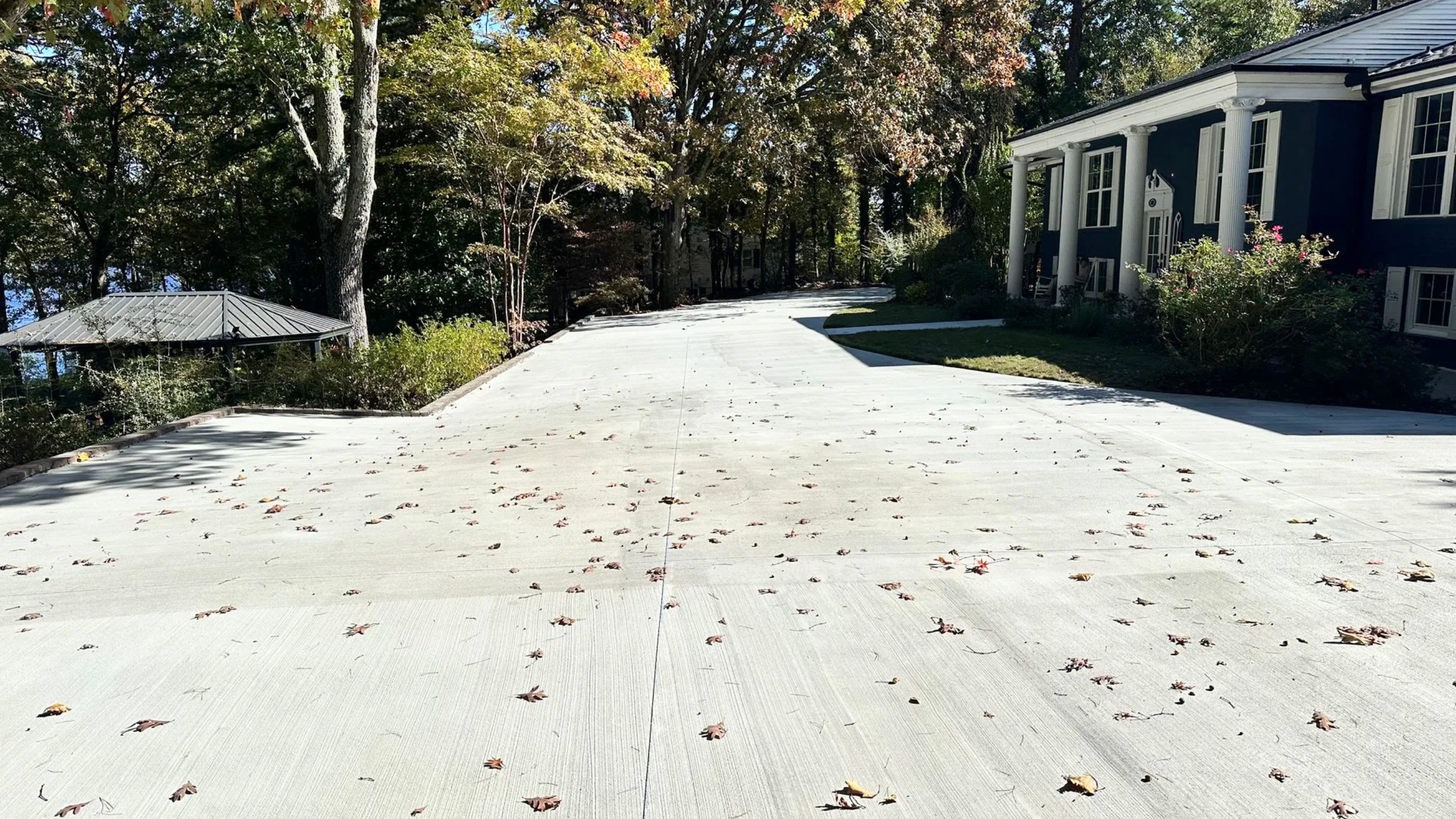
A driveway is one of the most heavily used surfaces on a residential property. It must support vehicle weight, repeated traffic, and environmental exposure while maintaining proper drainage and alignment.
Key Considerations for Residential Driveways
- Thickness based on vehicle type and use
- Proper subgrade preparation
- Reinforcement placement
- Drainage direction and slope
- Joint spacing to help manage cracking
Concrete driveways are commonly selected for their durability and clean appearance. In Central Arkansas, soil conditions and moisture management play a significant role in long-term driveway performance.
Homeowners planning a new driveway or replacement can learn more by reviewing Central Arkansas concrete driveways and how they are designed for residential use.
Concrete Patios and Outdoor Living Spaces
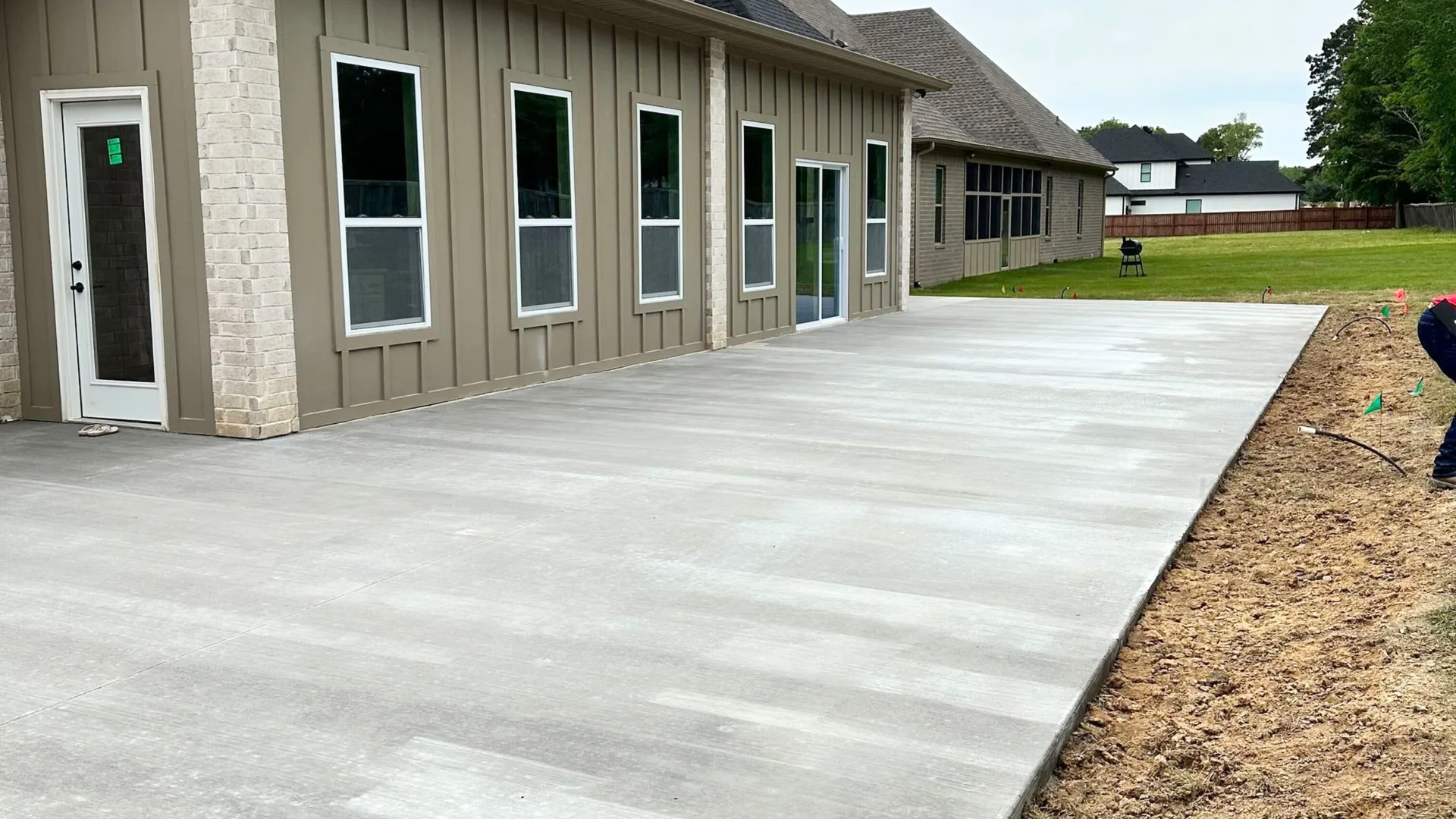
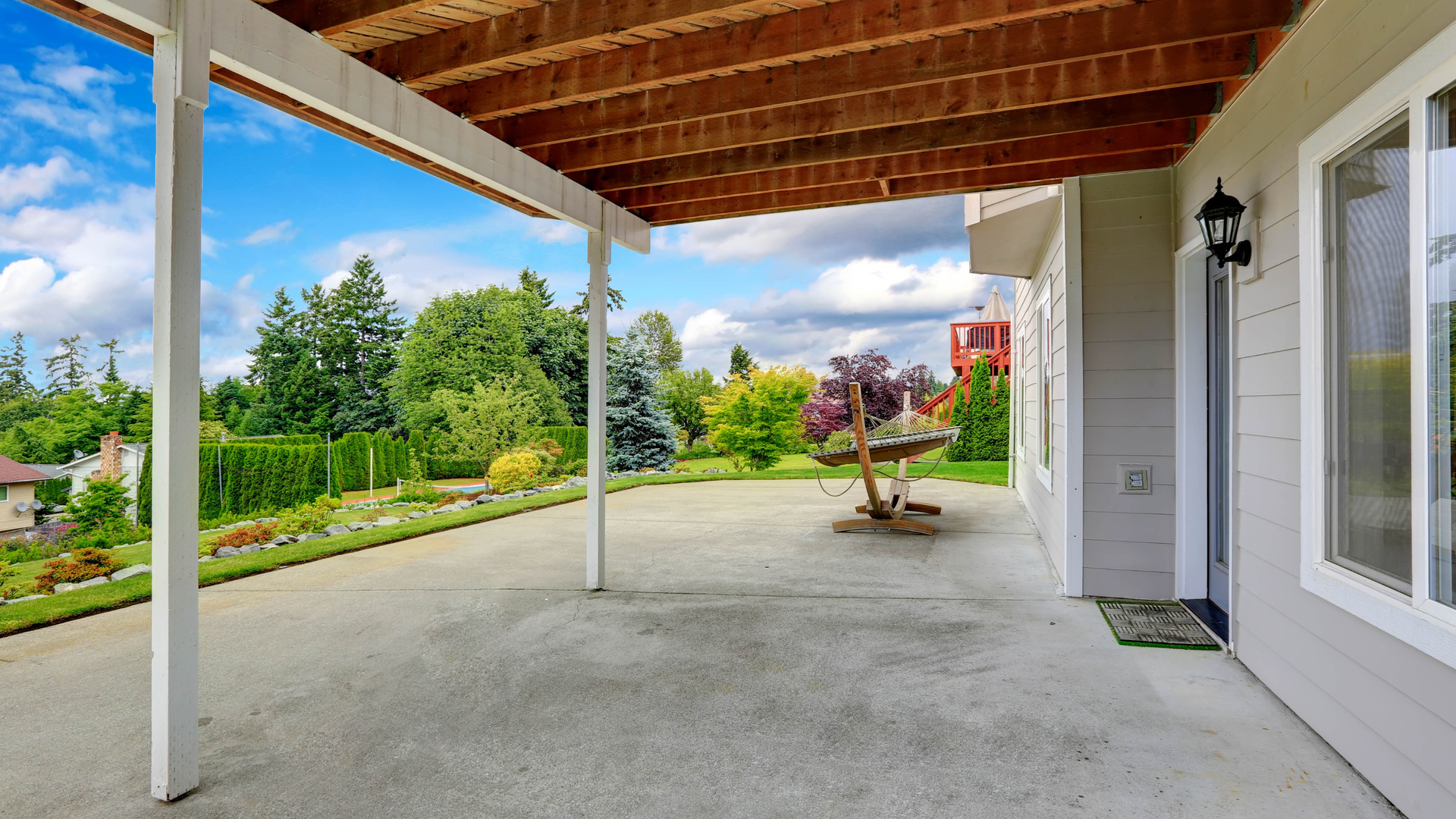
Concrete patios create functional outdoor areas for seating, dining, and entertaining. These spaces must balance comfort, durability, and proper drainage.
Common Patio Planning Factors
- Size and layout
- Surface texture for slip resistance
- Drainage away from the home
- Integration with landscaping or structures
- Maintenance expectations
Patios can be designed as simple slabs or more customized spaces depending on how the homeowner plans to use the area. For homeowners exploring outdoor concrete options, Central Arkansas concrete patios provide insight into how these projects are planned and installed.
Concrete Foundations and Structural Support
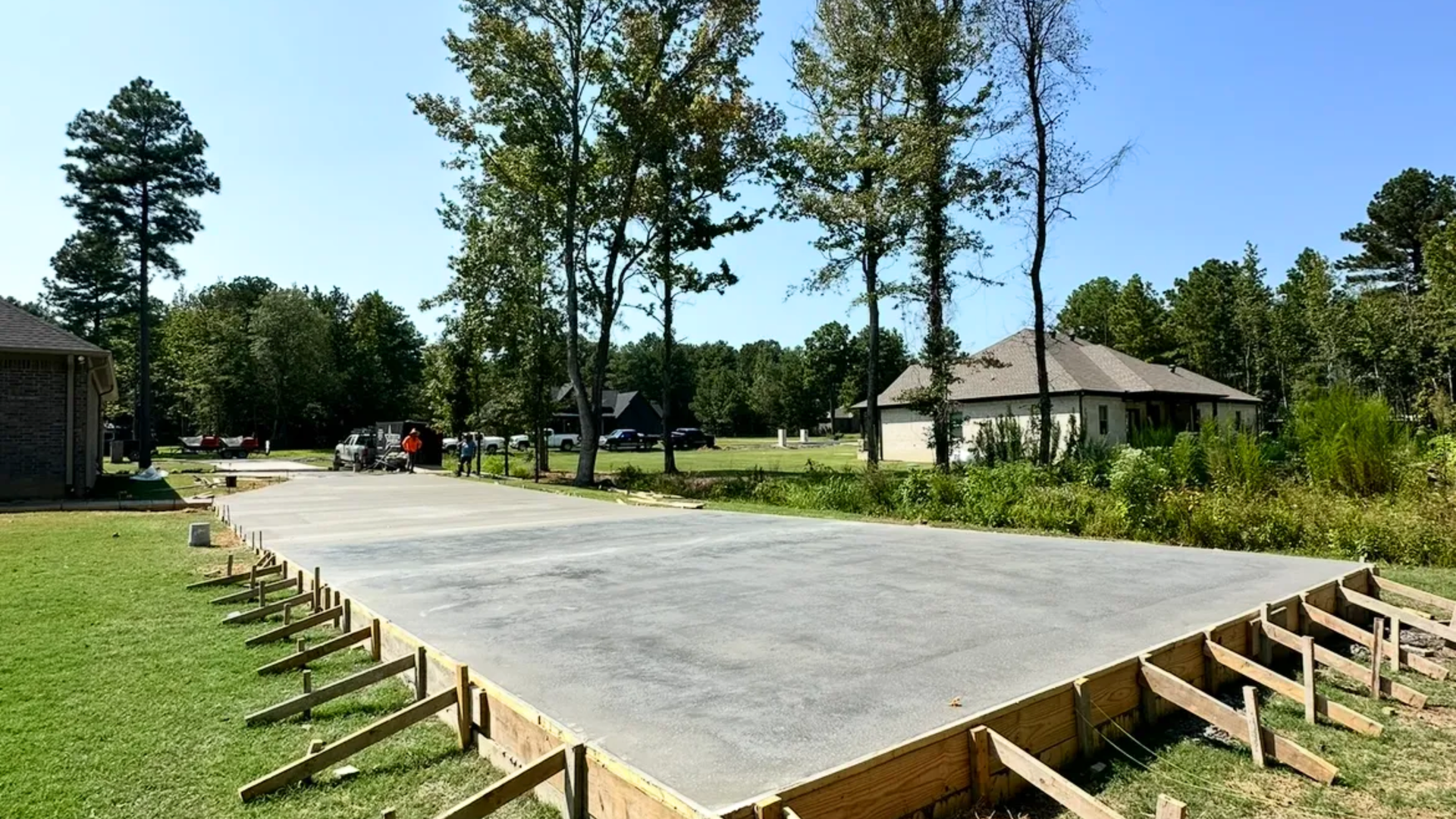
Foundations are among the most critical elements of a residential structure. They transfer the load of the home to the ground and help maintain long-term stability.
What Impacts Foundation Performance
- Soil composition and compaction
- Proper excavation and layout
- Reinforcement placement
- Accurate elevation and leveling
- Controlled curing conditions
Residential foundations must be carefully planned to match the home’s design and site conditions. Homeowners looking to better understand foundation construction can explore Central Arkansas concrete foundations for additional guidance.
Concrete Slabs for Garages and Home Additions
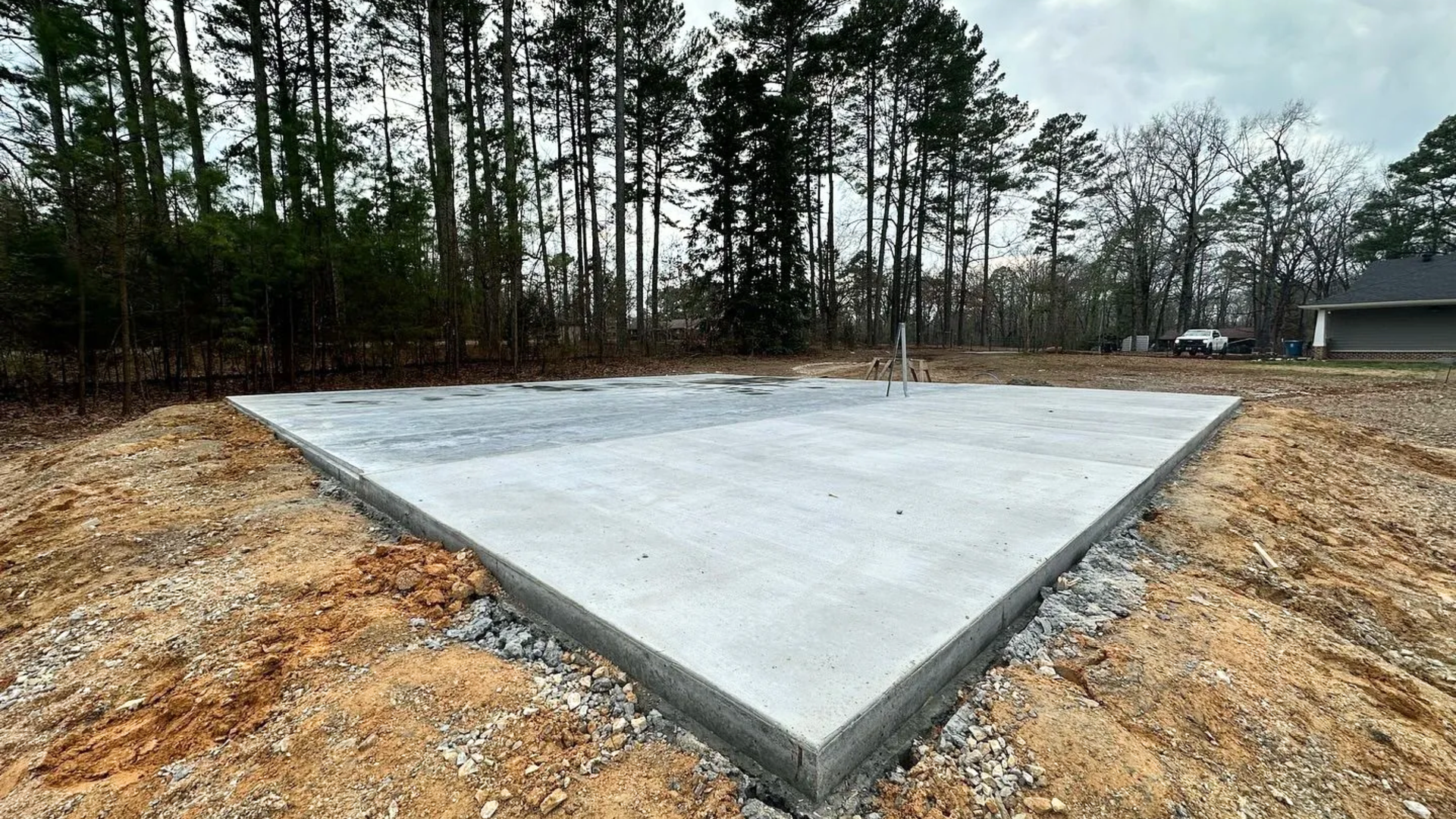
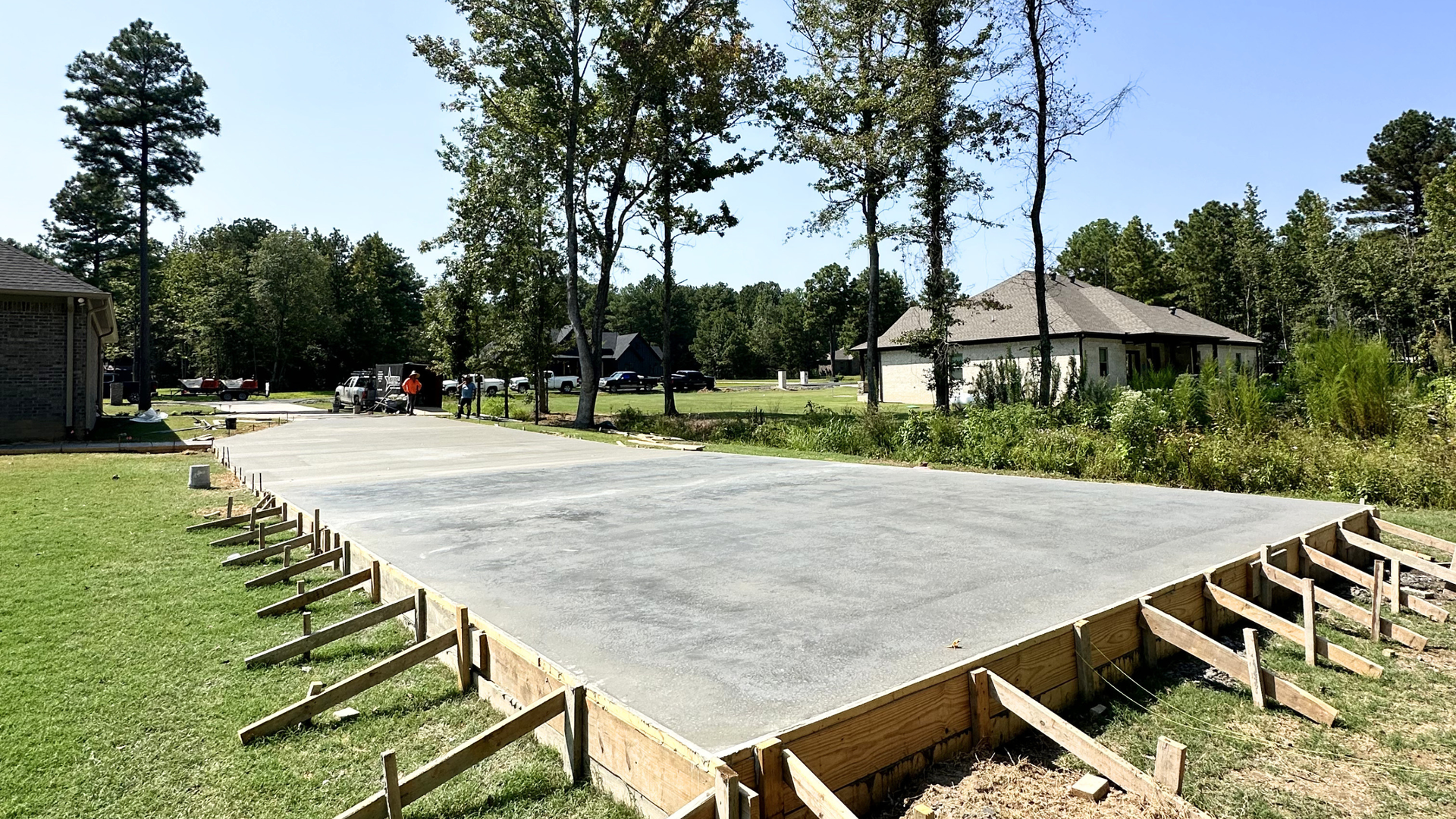
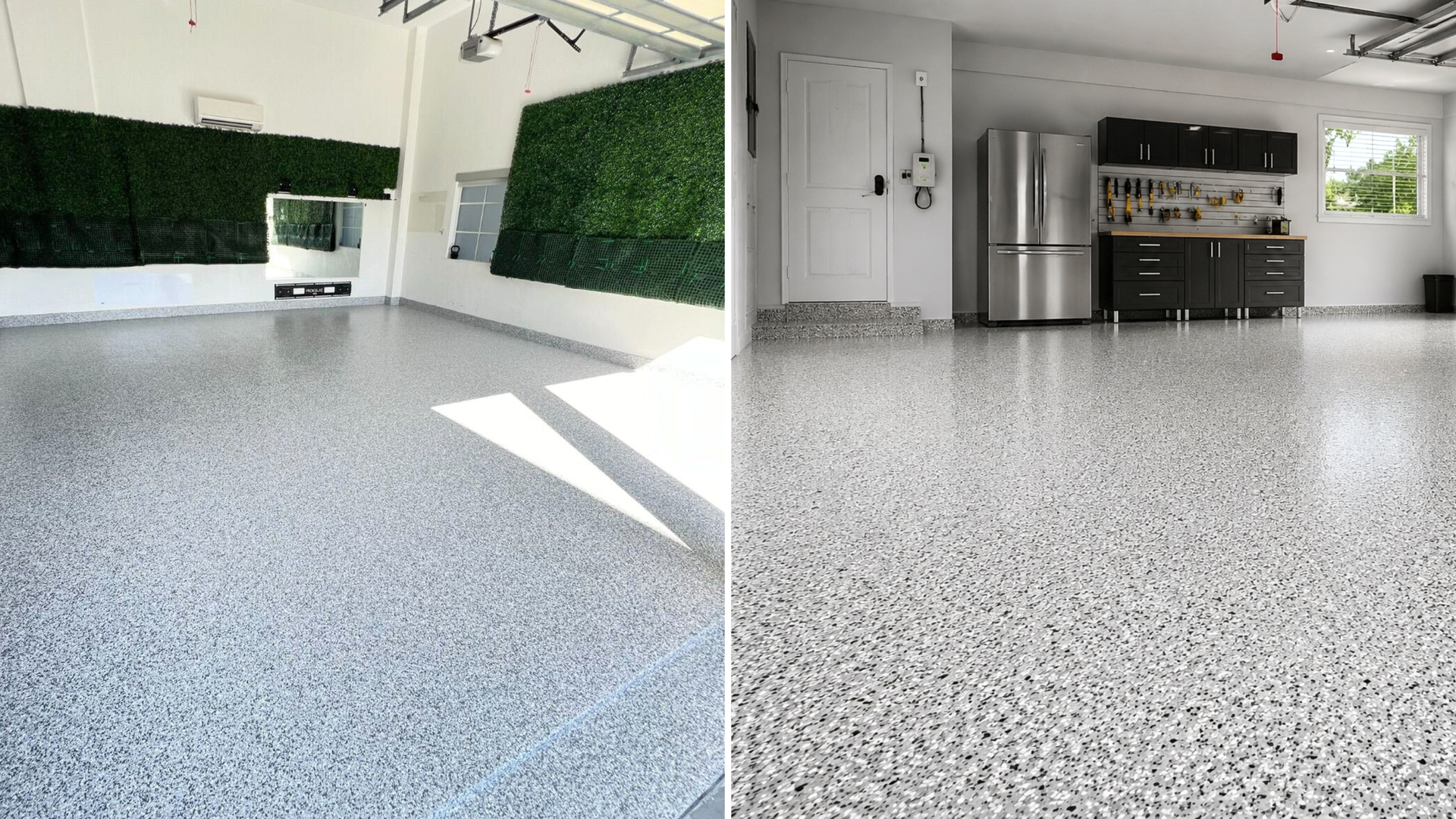
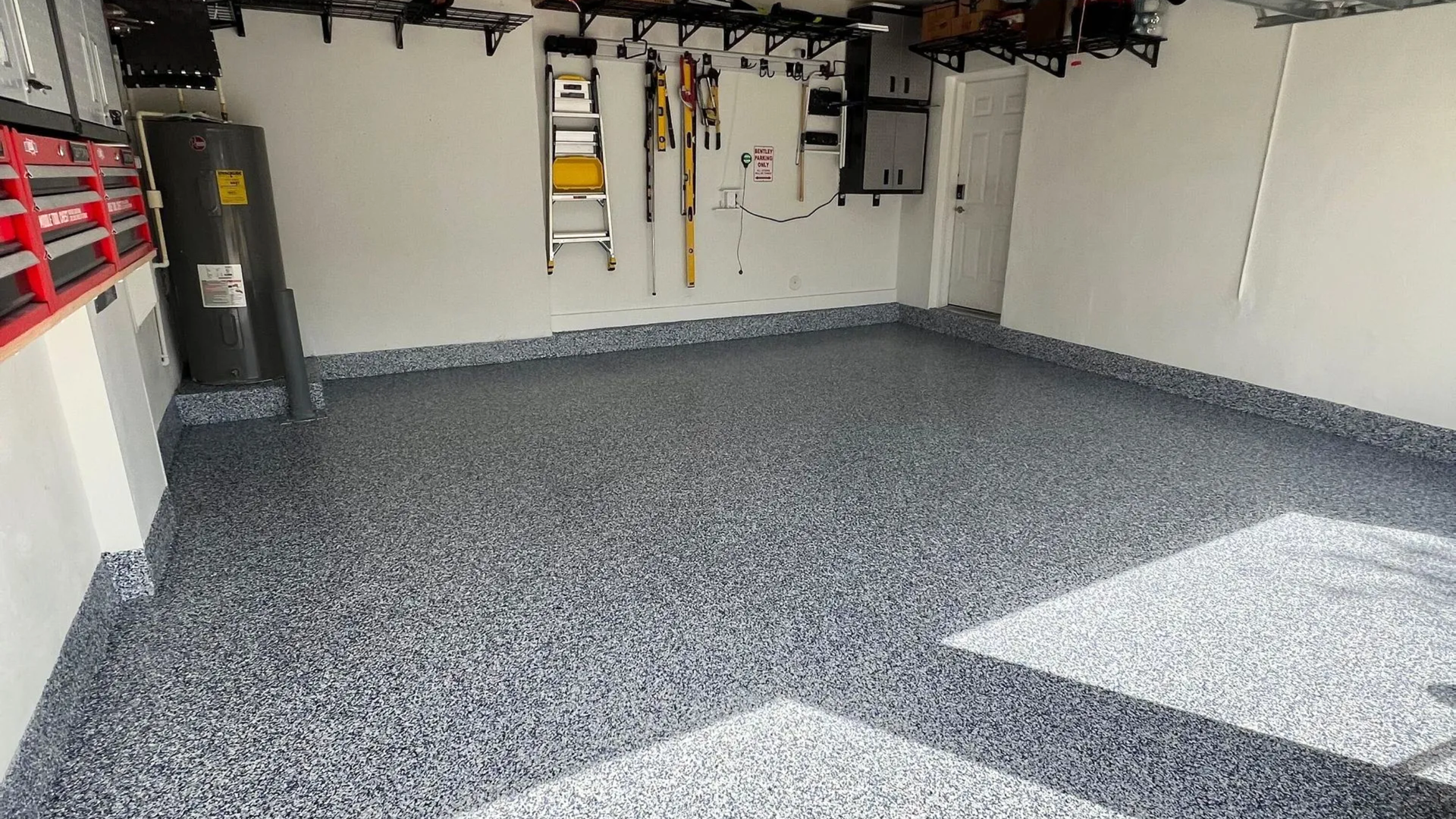
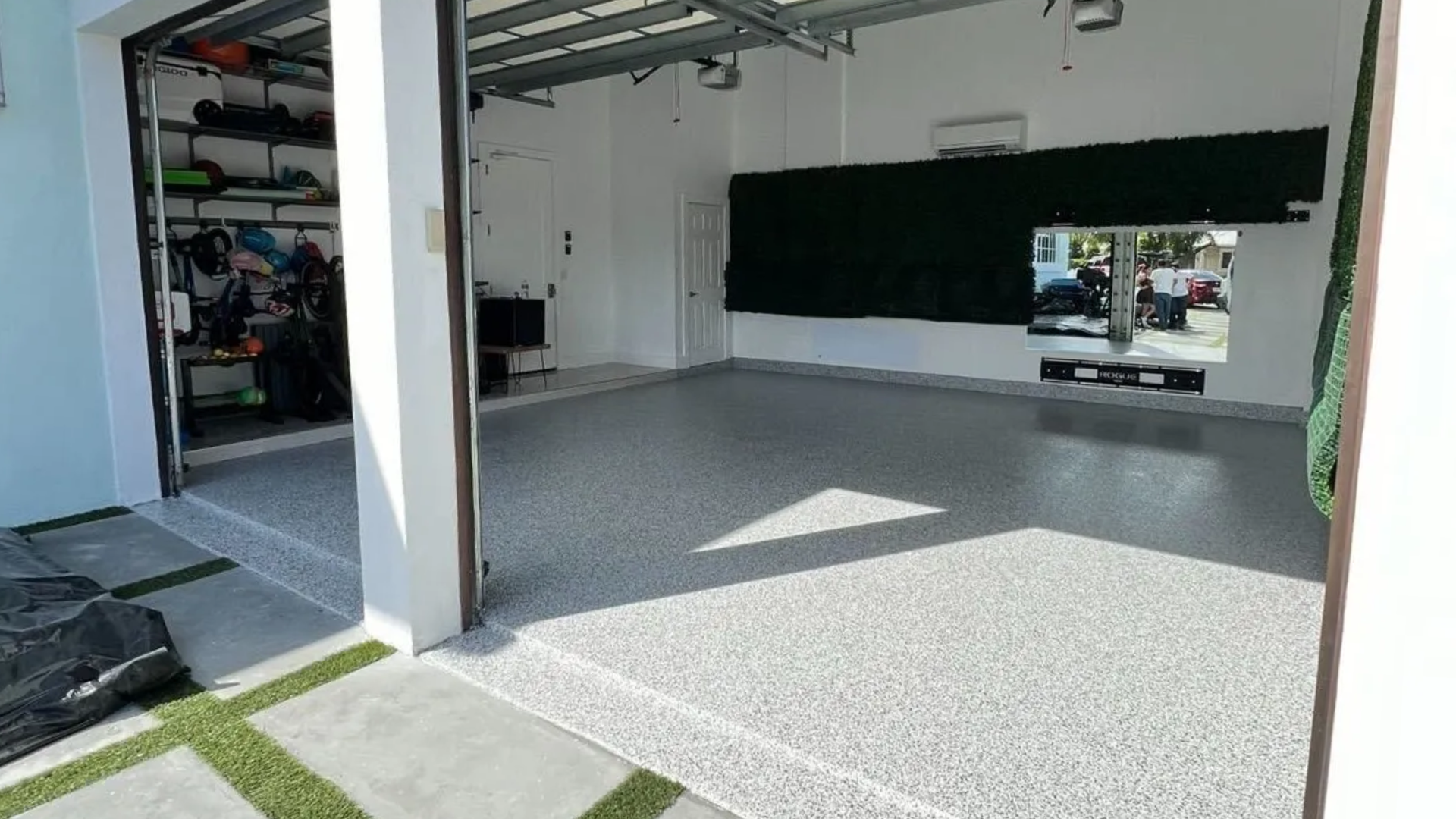
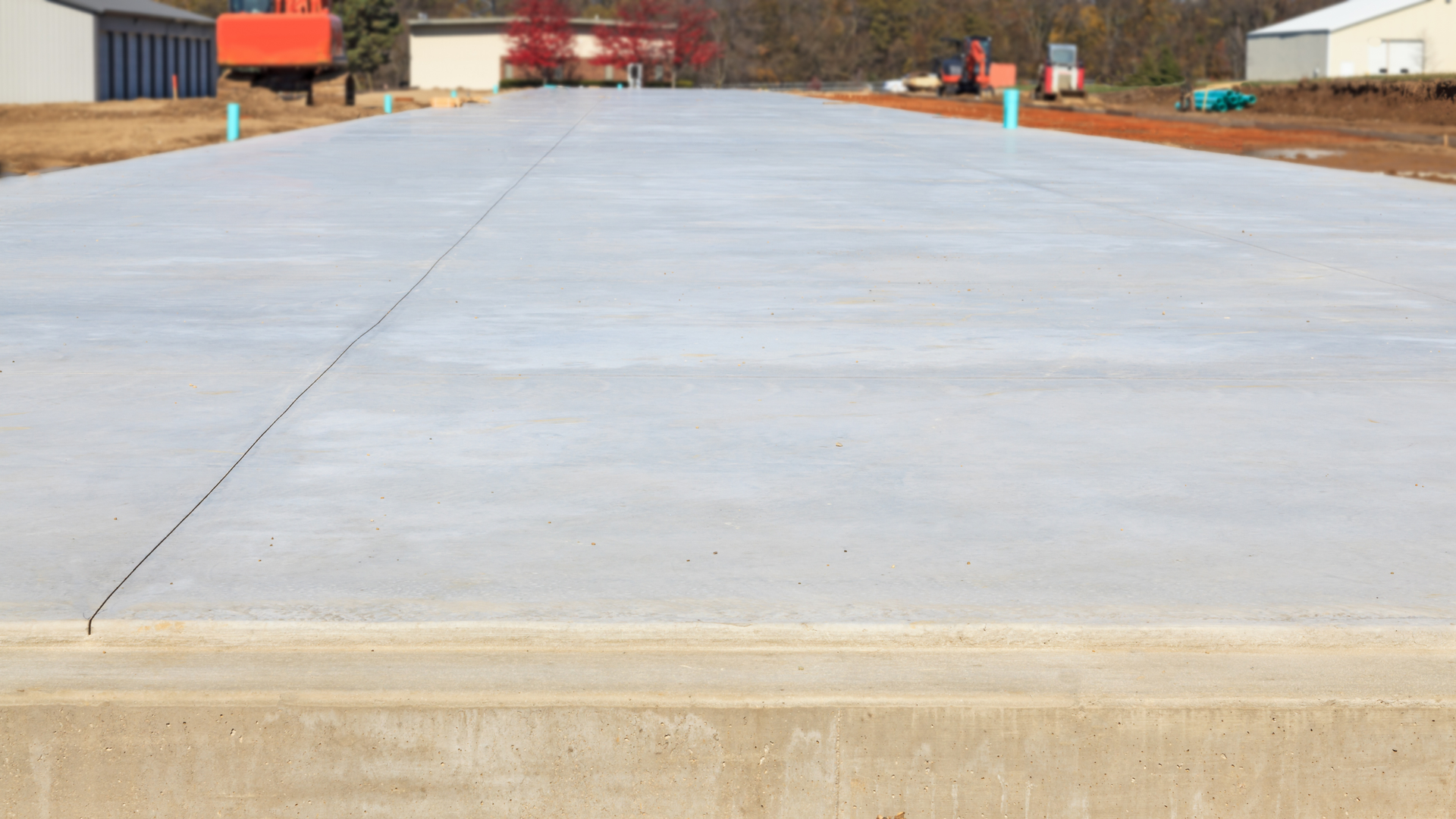
Concrete slabs support garages, workshops, sheds, and home additions. These slabs must be designed for the specific loads they will carry.
Slab Planning Considerations
- Intended use and weight loads
- Thickness requirements
- Reinforcement needs
- Vapor barriers where applicable
- Drainage and grading
Proper slab installation helps prevent settlement and surface issues over time.
The Importance of Site Preparation
Site preparation is one of the most important steps in any residential concrete project. A properly prepared site supports long-term performance and reduces the risk of cracking or movement.
What Proper Site Preparation Includes
- Excavation to the correct depth
- Subgrade compaction
- Removal of unsuitable soil
- Drainage planning
- Coordination with utilities
Skipping or rushing site preparation often leads to premature issues that are difficult to correct later.
The Residential Concrete Installation Process
While each project varies, residential concrete installations typically follow a consistent process.
Planning and Layout
Contractors review plans, mark layout lines, and confirm elevations to ensure accuracy.
Excavation and Base Preparation
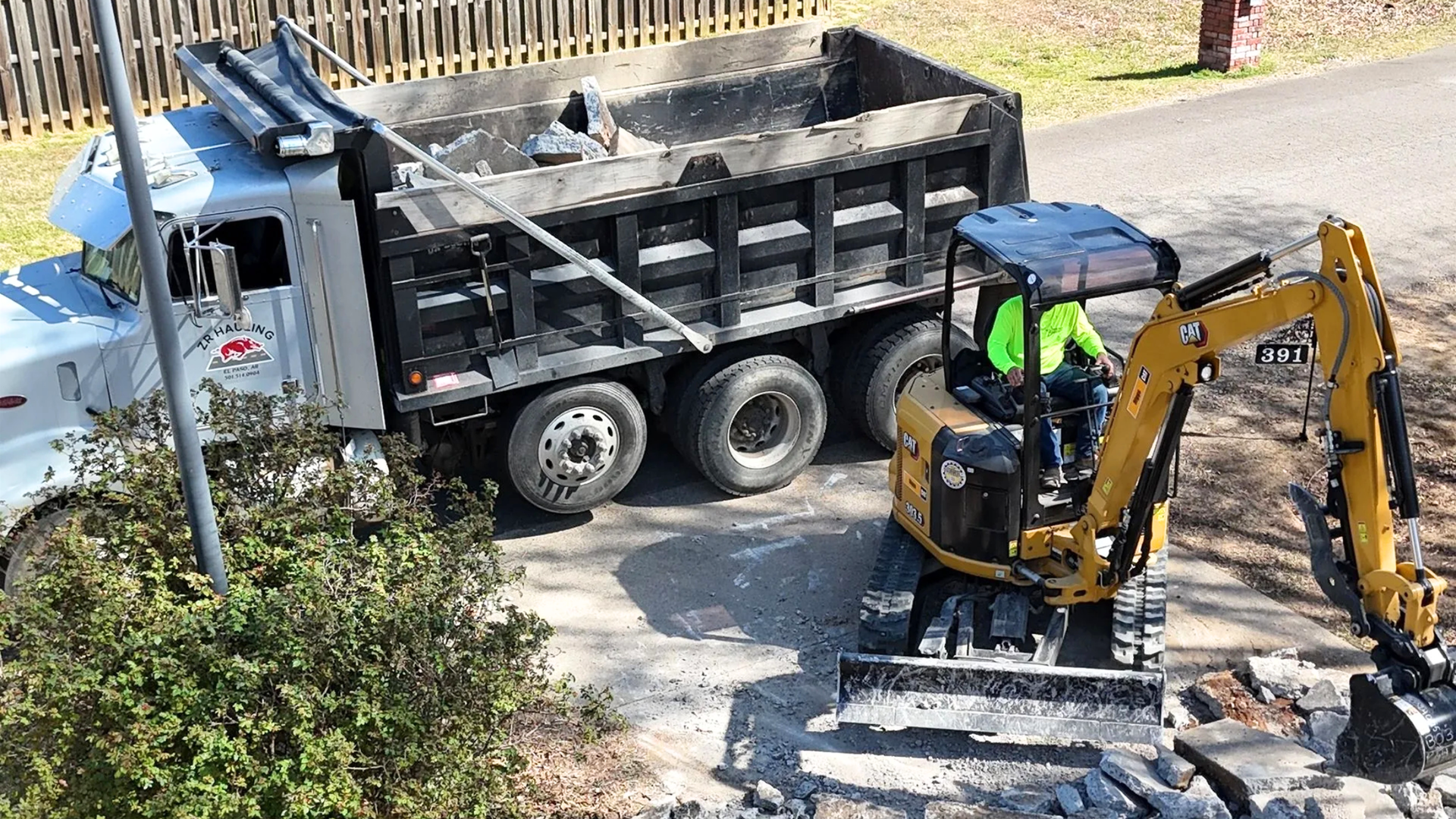
The site is excavated and compacted to create a stable base for the concrete.
Forming and Reinforcement
Forms define the shape of the concrete, while reinforcement supports strength and load distribution.
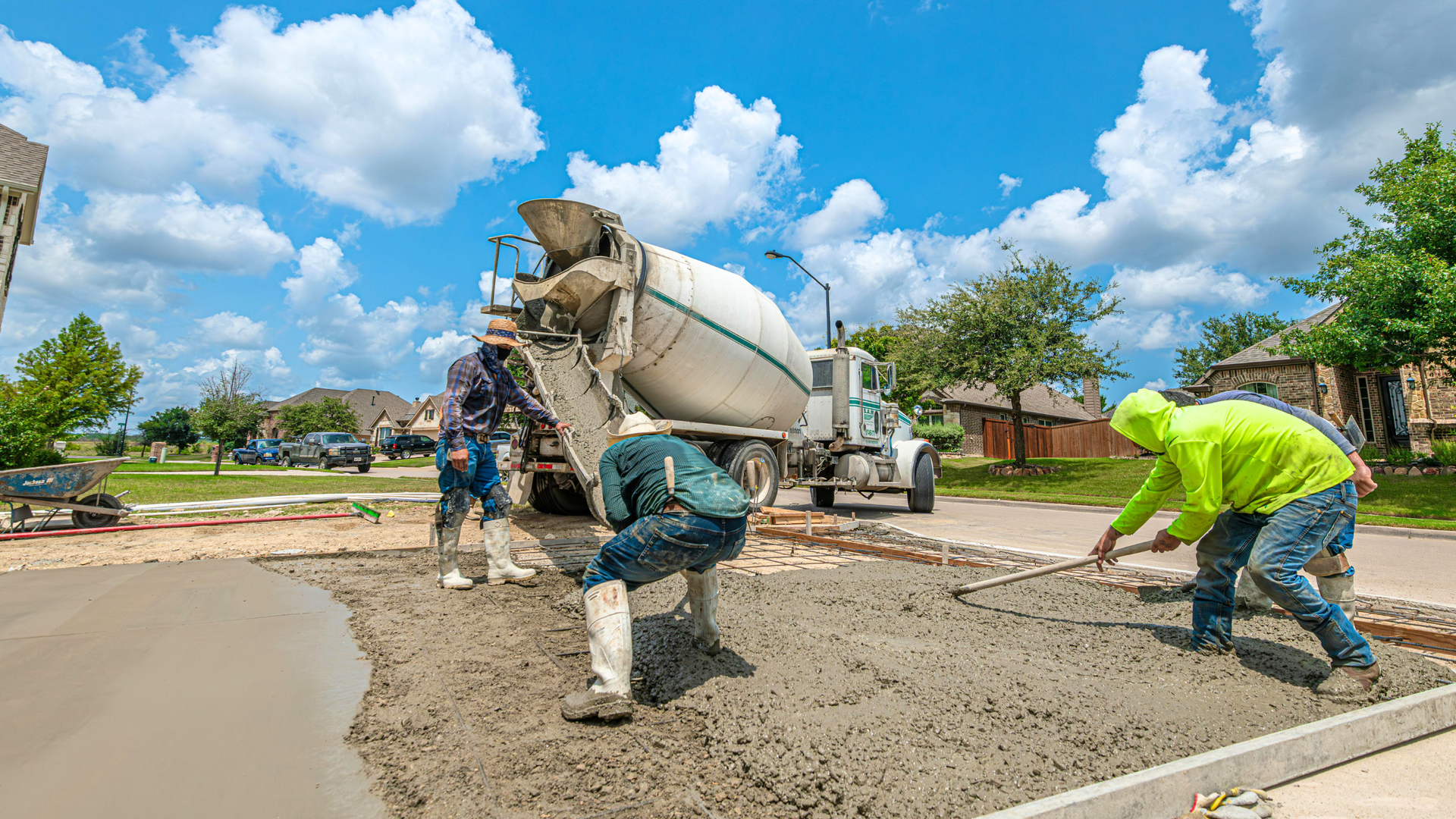
Pouring and Finishing
Concrete is placed, leveled, and finished according to the project’s requirements.
Curing
Curing allows the concrete to gain strength gradually and helps reduce surface issues.
Cost Factors in Residential Concrete Projects
Concrete project costs vary based on several factors. While exact pricing depends on the scope of work, common influences include:
- Project size and thickness
- Site accessibility
- Reinforcement requirements
- Drainage or grading needs
- Surface finish
Understanding these factors helps homeowners set realistic expectations before requesting estimates.
Common Residential Concrete Mistakes to Avoid
Many concrete problems stem from poor planning or rushed execution.
Issues that affect long-term performance:
- Inadequate site preparation
- Insufficient reinforcement
- Poor drainage planning
- Rushing the curing process
- Choosing a contractor based solely on price
Working with experienced professionals helps reduce these risks.
Choosing the Right Residential Concrete Contractor
Selecting the right contractor plays a major role in project success.
What Homeowners Should Look For:
- Experience with similar residential projects
- Knowledge of local soil and conditions
- Clear communication and scheduling
- Proper licensing and insurance
- Transparent project planning
Homeowners should feel comfortable asking questions and reviewing project details before work begins.
Planning Your Residential Concrete Project
Before starting a residential concrete project, homeowners should consider:
- How the space will be used
- Long-term maintenance expectations
- Timeline and scheduling needs
- Site access and preparation
- Coordination with other trades
Taking time to plan these details early helps reduce delays and supports better outcomes.
Working With Silver Star Concrete
Silver Star Concrete provides residential concrete services designed to support everyday use and long-term performance. From driveways and patios to slabs and foundations, each project is approached with careful planning and clear communication.
Homeowners across Central Arkansas benefit from professional preparation, experienced execution, and dependable results.
Request a Residential Concrete Consultation
Residential concrete projects benefit from proper planning and experienced guidance. If you are considering a driveway, patio, slab, or foundation project, discussing your goals and site conditions early helps ensure a smooth process.
Silver Star Concrete serves homeowners throughout Central Arkansas, including Little Rock, Conway, Sherwood, Cabot, and North Little Rock.