
Concrete Driveway Repair vs Replacement: How to Decide What Your Property Really Needs
Concrete driveways are built to last, but they are not permanent. Over time, exposure to weather, soil movement, and daily use can lead to cracks, uneven surfaces, and other signs of wear. When problems appear, homeowners are often faced with a key decision: should the driveway be repaired, or is it time for a full replacement?
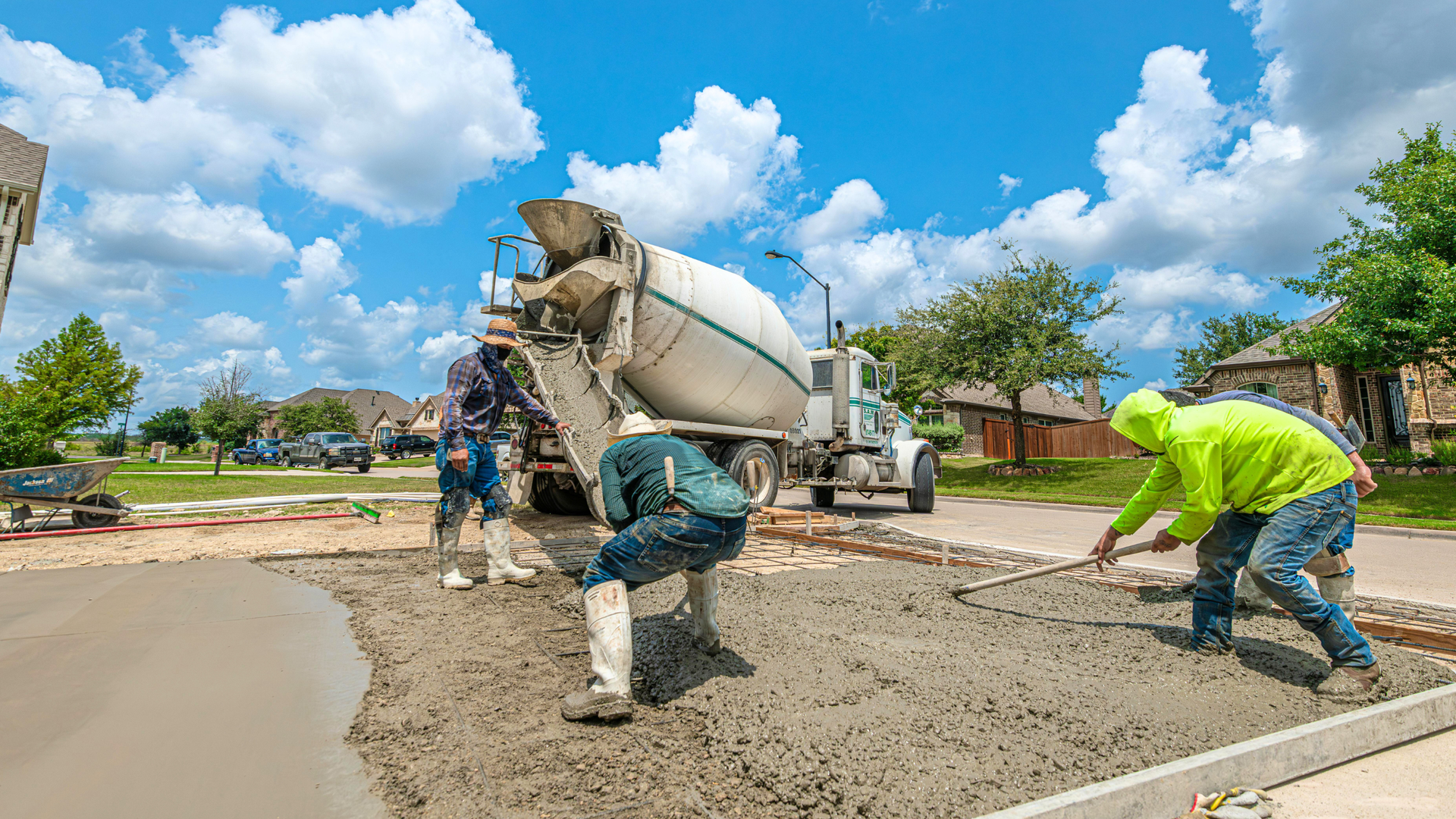
Making the right choice depends on more than just appearance. The condition of the base, the type of damage, and the long-term performance of the surface all need to be considered. This guide explains how to evaluate driveway issues, when repairs make sense, and when replacement is the better long-term solution.
Why Concrete Driveways Develop Problems Over Time
Concrete is strong, but it is not immune to movement and stress. Most driveway issues develop gradually and are influenced by factors below the surface as much as above it.
Common causes of driveway damage include:
- Soil movement or poor compaction
- Freeze-thaw cycles or temperature changes
- Heavy vehicle loads
- Improper drainage
- Inadequate thickness or reinforcement
Understanding the cause of the problem is important before deciding whether repair or replacement is the right solution.
Homeowners looking for a broader understanding of driveway construction can review our guide on concrete driveways to see how proper installation affects long-term performance.
Common Types of Concrete Driveway Damage
Not all driveway damage is the same. Some issues are cosmetic, while others point to deeper structural problems.
Surface Cracks
Hairline or small cracks are common and usually not a structural concern. These cracks often result from normal shrinkage or minor movement.
Wide or Expanding Cracks
Larger cracks that continue to grow over time may indicate base movement or structural stress.
Uneven Sections
When one part of the driveway sits higher or lower than another, it is often caused by soil settling or erosion beneath the slab.
Surface Scaling or Flaking
This type of damage affects the top layer of the concrete and is often caused by improper curing or moisture exposure.
Drainage Issues
Water pooling on the surface or near the edges can weaken the driveway over time and lead to further damage.
When Concrete Driveway Repair Makes Sense
Repair is often the best option when the damage is limited and the overall structure of the driveway is still sound.
Situations Where Repair Is Effective
- Small or isolated cracks
- Minor surface damage
- Limited uneven areas
- Cosmetic issues that do not affect performance
Repair methods may include crack filling, surface patching, or leveling specific sections.
In these cases, repair can extend the life of the driveway without the cost of full replacement.
When Replacement Is the Better Option
In some situations, repairing a driveway only delays a larger problem. If the underlying issues are significant, replacement is often the more practical long-term solution.
Signs That Replacement May Be Needed
- Large or widespread cracking
- Multiple uneven sections
- Drainage problems across the entire surface
- Significant base failure
- Repeated repairs that no longer hold
When the foundation beneath the driveway is unstable, repairs may not provide lasting results.
Repair vs Replacement: Cost Comparison
Cost is often one of the main factors homeowners consider when deciding between repair and replacement.
Typical Cost Comparison
| Option | Typical Cost Range |
|---|---|
| Minor crack repair | $5–10 per sq ft |
| Surface patching or leveling | $10–18 per sq ft |
| Full driveway replacement | $18–35+ per sq ft |
Repair is usually less expensive upfront, but replacement may offer better long-term value when damage is extensive.
Long-Term Performance Considerations
Choosing between repair and replacement should involve more than short-term cost. Long-term performance and durability are just as important.
Repair Considerations
- May extend lifespan by several years
- Works best for isolated issues
- Less disruption during installation
Replacement Considerations
- Provides a new, stable base
- Allows for proper thickness and reinforcement
- Improves drainage and layout
- Offers the longest lifespan
If the goal is long-term reliability, replacement is often the better investment when structural issues are present.
How Base Conditions Affect Your Decision
The condition of the soil and base beneath the driveway is one of the most important factors in deciding between repair and replacement.
If the base is stable:
- Repairs are more likely to last
If the base is unstable:
- Repairs may fail quickly
- Replacement with proper preparation is often required
This is why professional evaluation is important before making a decision.
Drainage and Its Impact on Driveway Life
Water is one of the leading causes of driveway failure. Poor drainage can weaken the soil beneath the slab and lead to cracking or settling.
A properly installed driveway includes:
- Slope to direct water away
- Stable base materials
- Grading that prevents pooling
When replacing a driveway, improving drainage is often part of the solution.
How Long Repairs Last Compared to Replacement
The expected lifespan of a repair depends on the type of damage and the quality of the work.
Typical Lifespan Comparison
| Option | Expected Lifespan |
|---|---|
| Minor repairs | 3–10 years |
| Partial resurfacing | 5–15 years |
| Full replacement | 25–40+ years |
Repairs can be effective, but they are rarely a permanent solution if deeper issues exist.
When Timing Matters
Delaying repairs or replacement can allow damage to spread and increase costs.
Why Early Action Helps
- Prevents small cracks from expanding
- Reduces the risk of base failure
- Keeps repair costs lower
- Maintains safe and usable surfaces
Addressing issues early often provides more options and better outcomes.
Choosing the Right Solution for Your Property
Every driveway is different, and the right solution depends on the specific condition of the surface and the goals of the homeowner.
Consider:
- Extent of the damage
- Age of the driveway
- Budget and long-term plans
- Whether the base is stable
- How the driveway is used daily
A professional assessment helps determine whether repair or replacement will provide the best value.
Working With Silver Star Concrete
Silver Star Concrete evaluates driveway conditions carefully to determine the most practical solution. Whether repairing localized damage or replacing an entire driveway, the focus is on long-term performance and proper installation.
By addressing base preparation, drainage, and reinforcement, each project is designed to perform reliably under everyday use.
Request a Driveway Evaluation
If your driveway shows signs of cracking, uneven surfaces, or wear, evaluating the condition early can help prevent more costly issues later.
Silver Star Concrete serves homeowners throughout Central Arkansas, including Little Rock, Conway, Sherwood, Cabot, and North Little Rock. A clear assessment and the right solution can help ensure your driveway performs well for years to come.